

Politics
A close look at the inner workings of authoritarian power in Russia and beyond, and the forces that could one day transform it: how the Kremlin holds and wields power, why the democratic opposition endures, and what a genuine political renewal would take

Democrats mull options for the future of the U.S.-Russia relationship over Syria
Clinton, Sanders, and Syria in the Democratic Presidential Debates
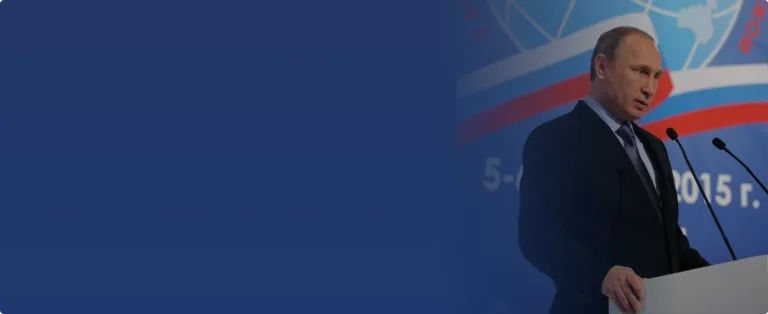
Russian world that they sponsor
The World Congress of Compatriots and the Kremlin’s Spending Abroad

Republican candidates reiterate their approaches to Russia
Ukraine and Syria in the Fourth Republican Debate
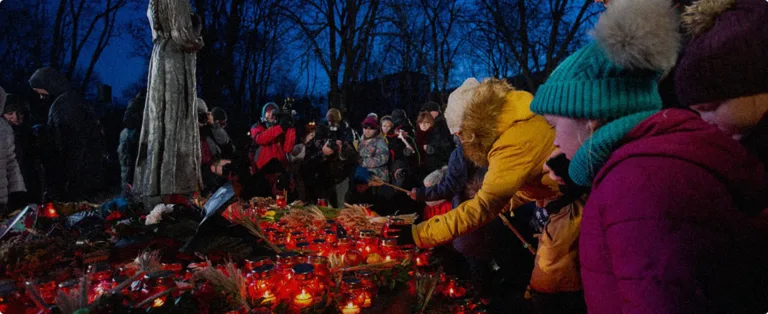
Genocidal Doublethink: The Kremlin and the Holodomor
Russia recognizes the Armenian Genocide but not the Holodomor
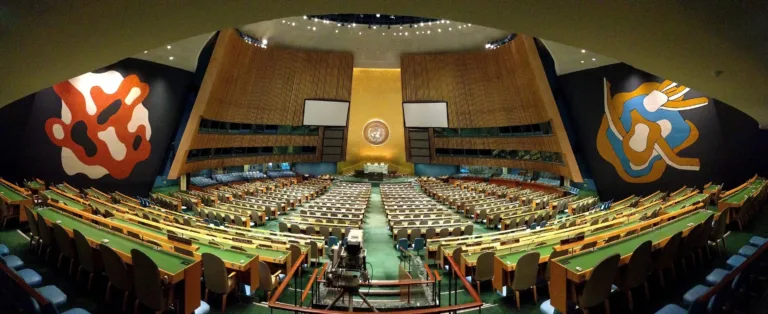
Putin’s hostage Savchenko is awaiting her fate
Attorney Mark Feygin on the start of the trial on the eve of Putin’s UN speech
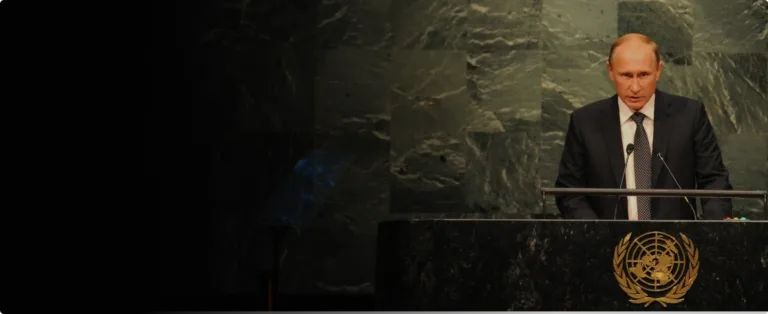
Syria forces Obama to talk with Putin again
The West Again Chooses Negotiation with a Dictator over Deterrence
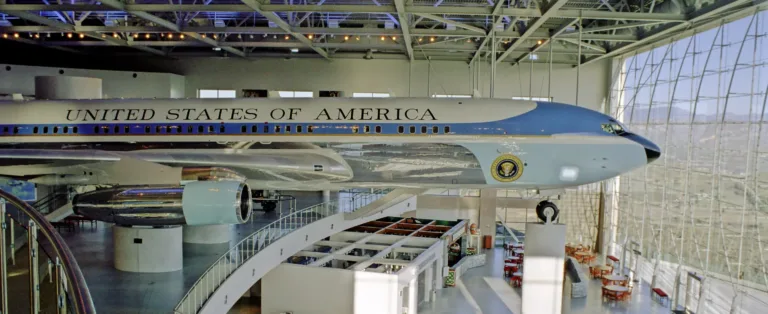
The GOP debate: attention shifts from Ukraine to Syria
Trump, Rubio, Fiorina and Paul on Putin and Russia’s Move into Syria
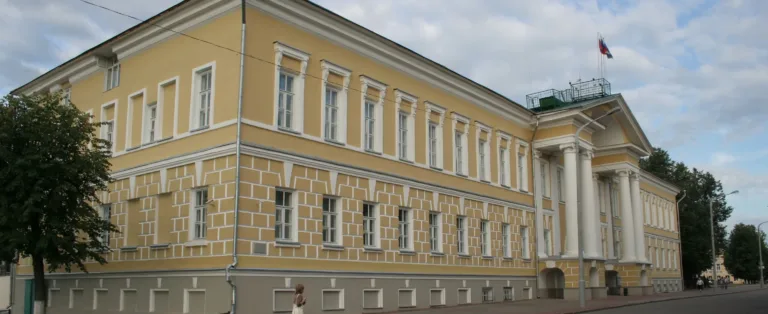
Russia’s Elections: Pantomime for the Establishment, Practice for the Opposition
Regional Elections of 2015 as a Test Run for the 2016 Duma Vote
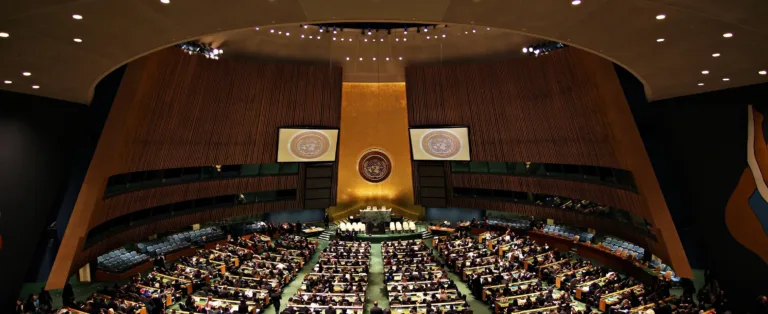
Putin’s values pose old and new existential threats to the West
Neither a nationalist nor a neo-imperialist, Putin is misread by the West
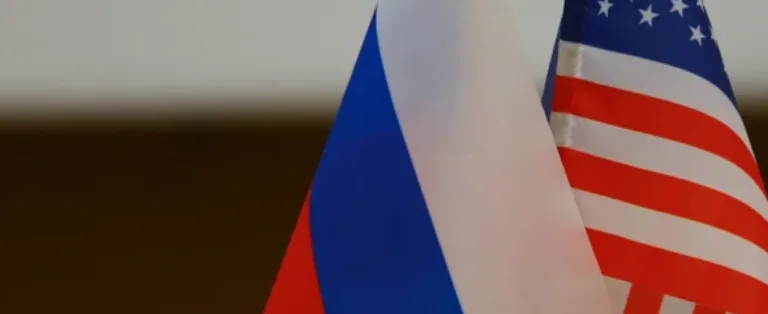
U.S.—Russia relations after 2016: isolation, engagement or confrontation?
Where the U.S. Presidential Candidates Stand on Russia and the Ukrainian Crisis