
War
February
By Natalia Arno February 23, 2026


There are months that pass quietly, and then there is February. For Russians who believe in democracy, it has become a month of reckoning — a month when history returns with unwelcome clarity.
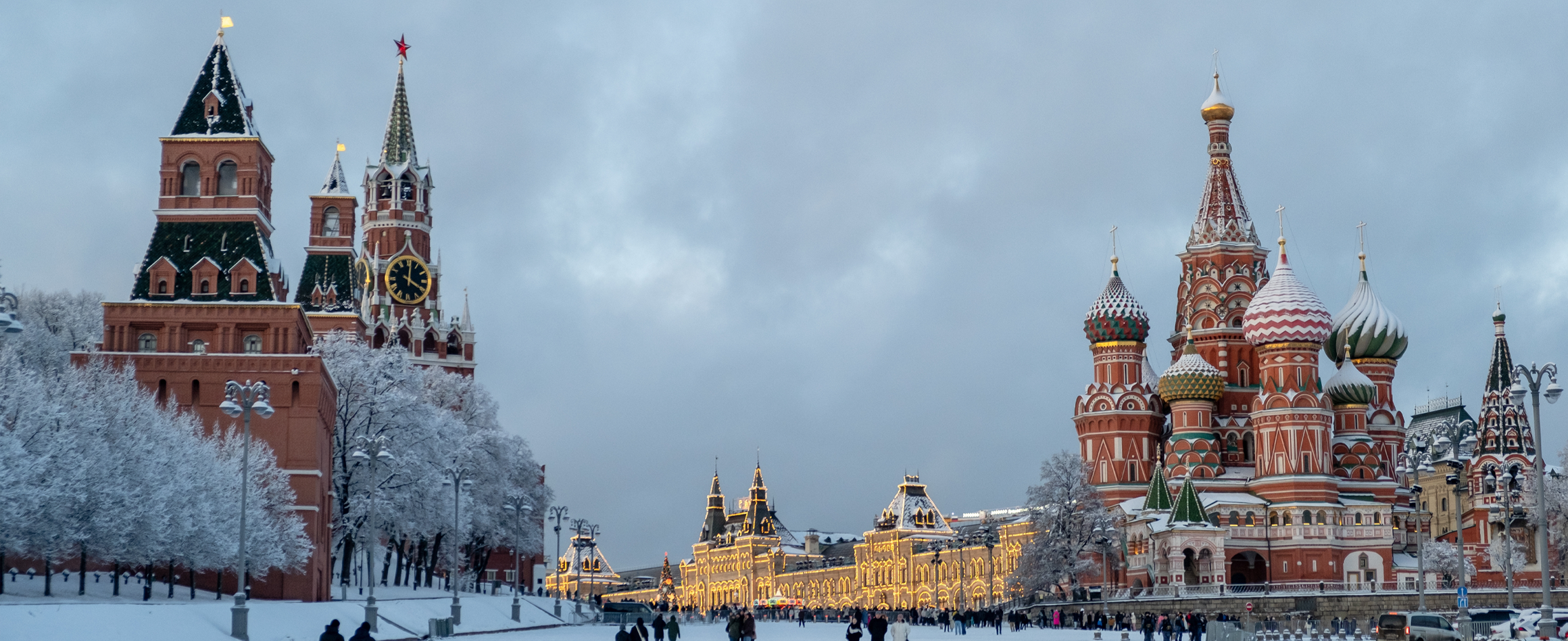
On February 27, 2015, Boris Nemtsov was shot within sight of the Kremlin walls. A light snow lay on the Bolshoy Moskvoretsky Bridge. Moscow was cold and still. The message was unmistakable: even prominence, even visibility, would not protect you.
On February 24, 2022, Russia launched its full‑scale invasion against Ukraine. Whatever illusions remained about limits or red lines dissolved. The war was no longer cloaked in denials or euphemisms. It was tanks crossing borders, missiles striking cities, civilians fleeing their homes.
And on February 16, 2024, Alexei Navalny was murdered in an Arctic penal colony after years of imprisonment and persecution. A system that had failed to silence him in life believed it could do so in death.
February has never been a neutral month. For decades February 23 has been celebrated as Defender of the Fatherland Day — a ritual affirmation of the military as the core of Russian statehood, a reminder that citizenship is measured in loyalty and sacrifice. The holiday carried the Soviet narrative of eternal defense against fascism and fused patriotism with obedience to the state.
But February also holds another memory. In 1944, Stalin ordered the deportation of the Chechen and Ingush peoples, uprooting entire nations in the dead of winter under the same banner of “defense.” For those communities, February is not a celebration but a wound — a reminder that the language of security can conceal acts of collective punishment.
Vladimir Putin understands the power of such dates. Russia’s full‑scale invasion of Ukraine began the day after February 23. The symbolism was unmistakable: a war framed not as aggression, but as historic duty. In modern Russia, anniversaries are not merely remembered — they are used.
Each of these moments in February’s history has stripped away something many of us once held onto. We lost colleagues and friends, but we also lost the belief that the worst could still be avoided. Nemtsov’s murder ended any lingering illusion that there were lines the regime would not cross. The invasion of Ukraine ended the illusion that aggression could remain contained. Navalny’s death ended the illusion that courage alone could outlast a state built on repression.
I remember watching the live broadcast from the bridge where Nemtsov fell. The cameras lingered on the scene. Among those standing nearby was my friend Ilya Yashin. His face was stunned, almost disbelieving. In that expression was the realization that something fundamental had changed. For many of us in exile, that night marked the understanding that exile might not be temporary — that the country we loved was moving further away.
For me, it shattered the illusion that I could return home in the not‑too-distant future. But it carried the pain of a second exile. The first is geographic: you leave the land. The second is psychological: you realize the land is no longer reachable.
February 2022 brought a different kind of rupture. The invasion of Ukraine was not only a crime against a sovereign nation; it was a moral collapse for Russia itself. It bound our country’s name to destruction and suffering in ways that will take generations to undo.
Authoritarian systems depend on fear and exhaustion. They depend on the belief that nothing will ever change. Yet February, for all its sorrow, has clarified the nature of the struggle. This is not a debate over policy preferences or political tactics. It is a struggle over whether a government may poison, imprison, or kill with impunity.
The democratic movement has matured under this pressure. We no longer wait for subtle signals from within the system. We no longer tell ourselves that incremental reform will gradually displace repression. We organize with clearer eyes and speak with fewer illusions.
February will always carry grief now. But it also carries memory — and memory is a form of resistance. It reminds us of what was done, what was lost, and what must be rebuilt: a Russia where disagreement is not a death sentence, where power answers to law, and where truth does not require heroism.
There are months that pass quietly, and then there is February. For Russians who believe in democracy, it has become a month of reckoning — a month when history returns with unwelcome clarity.
On February 27, 2015, Boris Nemtsov was shot within sight of the Kremlin walls. A light snow lay on the Bolshoy Moskvoretsky Bridge. Moscow was cold and still. The message was unmistakable: even prominence, even visibility, would not protect you.
On February 24, 2022, Russia launched its full‑scale invasion against Ukraine. Whatever illusions remained about limits or red lines dissolved. The war was no longer cloaked in denials or euphemisms. It was tanks crossing borders, missiles striking cities, civilians fleeing their homes.
And on February 16, 2024, Alexei Navalny was murdered in an Arctic penal colony after years of imprisonment and persecution. A system that had failed to silence him in life believed it could do so in death.
February has never been a neutral month. For decades February 23 has been celebrated as Defender of the Fatherland Day — a ritual affirmation of the military as the core of Russian statehood, a reminder that citizenship is measured in loyalty and sacrifice. The holiday carried the Soviet narrative of eternal defense against fascism and fused patriotism with obedience to the state.
But February also holds another memory. In 1944, Stalin ordered the deportation of the Chechen and Ingush peoples, uprooting entire nations in the dead of winter under the same banner of “defense.” For those communities, February is not a celebration but a wound — a reminder that the language of security can conceal acts of collective punishment.
Vladimir Putin understands the power of such dates. Russia’s full‑scale invasion of Ukraine began the day after February 23. The symbolism was unmistakable: a war framed not as aggression, but as historic duty. In modern Russia, anniversaries are not merely remembered — they are used.
Each of these moments in February’s history has stripped away something many of us once held onto. We lost colleagues and friends, but we also lost the belief that the worst could still be avoided. Nemtsov’s murder ended any lingering illusion that there were lines the regime would not cross. The invasion of Ukraine ended the illusion that aggression could remain contained. Navalny’s death ended the illusion that courage alone could outlast a state built on repression.
I remember watching the live broadcast from the bridge where Nemtsov fell. The cameras lingered on the scene. Among those standing nearby was my friend Ilya Yashin. His face was stunned, almost disbelieving. In that expression was the realization that something fundamental had changed. For many of us in exile, that night marked the understanding that exile might not be temporary — that the country we loved was moving further away.
For me, it shattered the illusion that I could return home in the not‑too-distant future. But it carried the pain of a second exile. The first is geographic: you leave the land. The second is psychological: you realize the land is no longer reachable.
February 2022 brought a different kind of rupture. The invasion of Ukraine was not only a crime against a sovereign nation; it was a moral collapse for Russia itself. It bound our country’s name to destruction and suffering in ways that will take generations to undo.
Authoritarian systems depend on fear and exhaustion. They depend on the belief that nothing will ever change. Yet February, for all its sorrow, has clarified the nature of the struggle. This is not a debate over policy preferences or political tactics. It is a struggle over whether a government may poison, imprison, or kill with impunity.
The democratic movement has matured under this pressure. We no longer wait for subtle signals from within the system. We no longer tell ourselves that incremental reform will gradually displace repression. We organize with clearer eyes and speak with fewer illusions.
February will always carry grief now. But it also carries memory — and memory is a form of resistance. It reminds us of what was done, what was lost, and what must be rebuilt: a Russia where disagreement is not a death sentence, where power answers to law, and where truth does not require heroism.
To overcome the hardships of war and emigration, Russians in exile need to adopt a global mindset
By Natalia Arno
By Grigory Frolov
By Vladimir Milov
January 12, 2026
 Interview
 Sergei Davidis and Ivan Pavlov on the lessons of last year’s exchange, the future of political prisoners, and practical tools for fighting for freedom
By Free Russia Foundation
August 05, 2025
 Article
 And They Will Shape Russia’s Future
By Pedro Pizano
By Natalia Arno
January 30, 2026
To overcome the hardships of war and emigration, Russians in exile need to adopt a global mindset
By Natalia Arno
By Grigory Frolov
By Vladimir Milov
January 12, 2026
Interview Sergei Davidis and Ivan Pavlov on the lessons of last year’s exchange, the future of political prisoners, and practical tools for fighting for freedom
By Free Russia Foundation
August 05, 2025
Article And They Will Shape Russia’s Future
By Pedro Pizano
By Natalia Arno
January 30, 2026