

Link copied to clipboard
Civil Society

Fear, Unfreedom, and Migration Intentions

Anna Kuleshova · June 16, 2026 · 25 min read
Download PDF

Dominant international and media narratives routinely frame Russian society as a monolithic bloc characterized by uniform, unyielding public loyalty to the regime. This perspective heavily relies on mass public opinion data collected under conditions of severe state repression, where public dissent can result in criminal penalties of up to ten years. Yet this framing overlooks a key structural reality: official polls capture only what citizens deem safe to express, not their genuine convictions or behavioral intentions.

This brief challenges that assumption directly. The apparent monolith is not evidence of consent but an artifact of coercion: the absence of visible protest or mass departure reflects a structural trap in which fear, repression, family obligations, financial barriers, and shrinking exit routes force critically minded citizens into outward compliance while masking deep internal fragmentation.

To test this thesis, the study departs from conventional mass survey methodologies in favor of a tailored mixed-method approach. By combining a targeted quantitative survey with a qualitative analysis of open-ended statements from critically minded citizens inside the Russian Federation, we access a demographic that remains entirely invisible in official polling. Rather than measuring broad ideological percentages, our research isolates and maps the specific structural mechanisms through which the authoritarian state manages citizen behavior under conditions of war. Through this qualitative lens, we demonstrate how fear is not a uniform experience, but a socially distributed phenomenon structured around daily constraints, family obligations, and material dependencies.

These insights reach far beyond the Russian case, offering a template for analyzing the internal dynamics of any repressive society. Because the mechanisms of civic control, informational monopolization, and state coercion function similarly across modern autocracies, mapping how citizens navigate them from within offers a framework for anticipating systemic shifts in any authoritarian landscape. This lens is particularly urgent in today’s global environment, amid widespread democratic backsliding and the consolidation of competitive authoritarian regimes. By decoding the friction between enforced compliance and internal fragmentation, this methodology equips international policymakers with the tools necessary to anticipate destabilization and locate points of vulnerability within increasingly resilient autocracies.

Dominant international and media narratives routinely frame Russian society as a monolithic bloc characterized by uniform, unyielding public loyalty to the regime. This perspective heavily relies on mass public opinion data collected under conditions of severe state repression, where public dissent can result in criminal penalties of up to ten years. Yet this framing overlooks a key structural reality: official polls capture only what citizens deem safe to express, not their genuine convictions or behavioral intentions.

This brief challenges that assumption directly. The apparent monolith is not evidence of consent but an artifact of coercion: the absence of visible protest or mass departure reflects a structural trap in which fear, repression, family obligations, financial barriers, and shrinking exit routes force critically minded citizens into outward compliance while masking deep internal fragmentation.

To test this thesis, the study departs from conventional mass survey methodologies in favor of a tailored mixed-method approach. By combining a targeted quantitative survey with a qualitative analysis of open-ended statements from critically minded citizens inside the Russian Federation, we access a demographic that remains entirely invisible in official polling. Rather than measuring broad ideological percentages, our research isolates and maps the specific structural mechanisms through which the authoritarian state manages citizen behavior under conditions of war. Through this qualitative lens, we demonstrate how fear is not a uniform experience, but a socially distributed phenomenon structured around daily constraints, family obligations, and material dependencies.

These insights reach far beyond the Russian case, offering a template for analyzing the internal dynamics of any repressive society. Because the mechanisms of civic control, informational monopolization, and state coercion function similarly across modern autocracies, mapping how citizens navigate them from within offers a framework for anticipating systemic shifts in any authoritarian landscape. This lens is particularly urgent in today’s global environment, amid widespread democratic backsliding and the consolidation of competitive authoritarian regimes. By decoding the friction between enforced compliance and internal fragmentation, this methodology equips international policymakers with the tools necessary to anticipate destabilization and locate points of vulnerability within increasingly resilient autocracies.

What the Study Shows

Our methodology is built to study Russia from the inside while avoiding the pitfalls of mass surveys. Rather than aiming for broad, superficial representativeness, it deliberately prioritizes a targeted sample of critically minded individuals using a mixed-method approach developed for studying closed societies “from the inside.” This allows the study to capture the sentiments of otherwise “invisible” segments of society—those experiencing intense internal conflict and those structurally excluded or self-censored in official surveys.

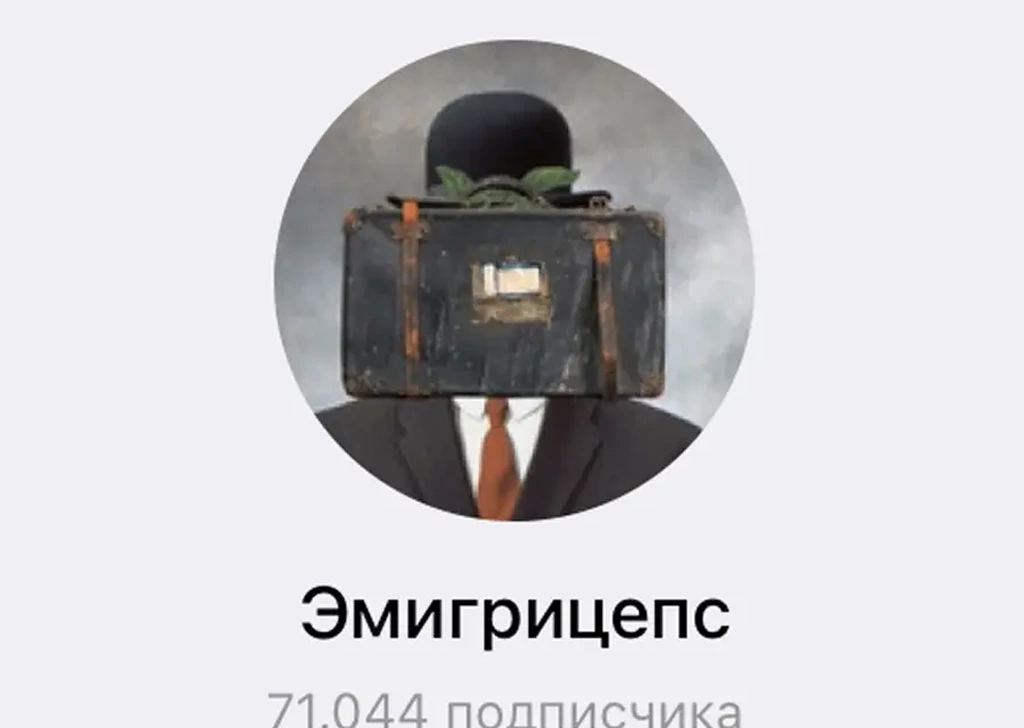
The pilot study leveraged the Telegram channel “Emigriceps” (approx. 71,000 subscribers)—a specialized service-informational platform focusing on migration logistics, visa regulations, and legal restrictions affecting Russian citizens. Respondents were recruited via a series of targeted posts. To maximize validity and mitigate respondent fear, the survey was entirely anonymous and strictly omitted the collection of any personally identifiable information (PII). The questionnaire yielded a dataset of 1,930 completed responses. Crucially for the study’s domestic focus, 742 of these respondents were residing within the Russian Federation at the time of participation.

Notably, the sample in this research is not representative of Russian society as a whole—it consists of critically minded citizens and subscribers of the “Emigriceps” channel; that is, those who have either already left the country or are considering such a possibility. However, it is precisely this non-representativeness that makes the data valuable. We gained access to the segment of society that is invisible in official polls—those who cannot speak out openly and who live in a state of internal conflict. This study is not about “what percentage is for the war” (there are virtually no such people in our sample), but about the mechanisms through which an authoritarian regime manages the behavior of its citizens under conditions of repression and war.

To scale these findings and ensure academic triangulation, the research will introduce advanced qualitative and quantitative layers:

Our methodology is built to study Russia from the inside while avoiding the pitfalls of mass surveys. Rather than aiming for broad, superficial representativeness, it deliberately prioritizes a targeted sample of critically minded individuals using a mixed-method approach developed for studying closed societies “from the inside.” This allows the study to capture the sentiments of otherwise “invisible” segments of society—those experiencing intense internal conflict and those structurally excluded or self-censored in official surveys.

The pilot study leveraged the Telegram channel “Emigriceps” (approx. 71,000 subscribers)—a specialized service-informational platform focusing on migration logistics, visa regulations, and legal restrictions affecting Russian citizens. Respondents were recruited via a series of targeted posts. To maximize validity and mitigate respondent fear, the survey was entirely anonymous and strictly omitted the collection of any personally identifiable information (PII). The questionnaire yielded a dataset of 1,930 completed responses. Crucially for the study’s domestic focus, 742 of these respondents were residing within the Russian Federation at the time of participation.

Notably, the sample in this research is not representative of Russian society as a whole—it consists of critically minded citizens and subscribers of the “Emigriceps” channel; that is, those who have either already left the country or are considering such a possibility. However, it is precisely this non-representativeness that makes the data valuable. We gained access to the segment of society that is invisible in official polls—those who cannot speak out openly and who live in a state of internal conflict. This study is not about “what percentage is for the war” (there are virtually no such people in our sample), but about the mechanisms through which an authoritarian regime manages the behavior of its citizens under conditions of repression and war.

To scale these findings and ensure academic triangulation, the research will introduce advanced qualitative and quantitative layers:

  • In-Depth Qualitative Triangulation: A comprehensive series of in-depth semi-structured interviews with both domestic Russian residents and regional expert sociologists will be conducted to provide deep narrative context to the structured data.
  • Independent Media Deployment: An expanded mass quantitative survey will be deployed across prominent independent media platforms to broaden the analytical scope.
  • Accessing Hard-to-Reach Demographics: To penetrate deeply isolated and highly vulnerable cohorts—such as individuals inside combat zones—the study will utilize anonymous, encrypted video chats. This tailored approach will effectively bypass the psychological barriers of traditional research setups, capturing insights from vital demographics who would otherwise completely decline formal interview engagement.
  • In-Depth Qualitative Triangulation: A comprehensive series of in-depth semi-structured interviews with both domestic Russian residents and regional expert sociologists will be conducted to provide deep narrative context to the structured data.
  • Independent Media Deployment: An expanded mass quantitative survey will be deployed across prominent independent media platforms to broaden the analytical scope.
  • Accessing Hard-to-Reach Demographics: To penetrate deeply isolated and highly vulnerable cohorts—such as individuals inside combat zones—the study will utilize anonymous, encrypted video chats. This tailored approach will effectively bypass the psychological barriers of traditional research setups, capturing insights from vital demographics who would otherwise completely decline formal interview engagement.

1. Myth: “The regime holds everyone through a single fear—everyone fears repression and war in the same way”

Reality

An analysis of 20 types of fear showed that anxiety under war and a repressive regime is not organized around one general fear, but around three independent dimensions, each tied to different aspects of everyday life and different social roles.

The first dimension is linked to the experience of unfreedom as a shrinking space of life.

Its core is the fear of living in a cage: both in a physical sense, when a person fears losing the ability to leave, and in an informational sense, when access to truth, independent sources, and connection with the outside world disappears. This is not an abstract political fear, but a daily experience of an increasingly narrow, controlled, and enclosed reality.

The second dimension is linked to responsibility for loved ones.

This is not so much fear for oneself as fear for those one cares for: children, elderly parents, partners, or dependent family members. It is a fear embedded in one’s social role—as a parent, a son or daughter, a caregiver, or a provider. This type of anxiety often becomes the factor that prevents people from acting abruptly, quickly, or riskily.

The third dimension consists of fears related to material survival.

This is basic anxiety about money, housing, medical care, relocation, job loss, and the impossibility of planning for the future. Here fear is not ideological but concrete: whether a person will be able to survive, move their family, pay for treatment, or start life over.

Taken together, these findings show that society under a repressive system cannot be described as a mass of people reacting uniformly to violence and war. Fear is structured, socially distributed, and tied not only to politics as such, but also to obligations, dependencies, and the constraints of everyday life.

Reality

An analysis of 20 types of fear showed that anxiety under war and a repressive regime is not organized around one general fear, but around three independent dimensions, each tied to different aspects of everyday life and different social roles.

The first dimension is linked to the experience of unfreedom as a shrinking space of life.

Its core is the fear of living in a cage: both in a physical sense, when a person fears losing the ability to leave, and in an informational sense, when access to truth, independent sources, and connection with the outside world disappears. This is not an abstract political fear, but a daily experience of an increasingly narrow, controlled, and enclosed reality.

The second dimension is linked to responsibility for loved ones.

This is not so much fear for oneself as fear for those one cares for: children, elderly parents, partners, or dependent family members. It is a fear embedded in one’s social role—as a parent, a son or daughter, a caregiver, or a provider. This type of anxiety often becomes the factor that prevents people from acting abruptly, quickly, or riskily.

The third dimension consists of fears related to material survival.

This is basic anxiety about money, housing, medical care, relocation, job loss, and the impossibility of planning for the future. Here fear is not ideological but concrete: whether a person will be able to survive, move their family, pay for treatment, or start life over.

Taken together, these findings show that society under a repressive system cannot be described as a mass of people reacting uniformly to violence and war. Fear is structured, socially distributed, and tied not only to politics as such, but also to obligations, dependencies, and the constraints of everyday life.

“Deep, persistent depression from the realization that there is no future. Only darkness ahead.”

“It seems to me that career and self-realization are different things… My career doesn’t worry me at all, but the inability to achieve self-realization—very much so.”

“It’s horrible to live… I am studying and planning to first finish my education, then work and become a citizen of another country with better conditions for existence.”

“Deep, persistent depression from the realization that there is no future. Only darkness ahead.”

“It seems to me that career and self-realization are different things… My career doesn’t worry me at all, but the inability to achieve self-realization—very much so.”

“It’s horrible to live… I am studying and planning to first finish my education, then work and become a citizen of another country with better conditions for existence.”

2. Myth: “If people are not leaving en masse, it means they have come to terms with the situation”

Reality

An analysis of the relationship between fears and migration intentions reveals a much more complex picture.

The most intense political fears—fear of war, repression, loss of access to information, and disconnection from the outside world—are strongly associated with the desire to leave. This means that those who are most sensitive to the political context have not “accepted what is happening”; on the contrary, they are more likely than others to want to leave the country.

At the same time, these same fears are only weakly associated with the actual likelihood of departure. In other words, the desire to leave exists, but it does not always translate into concrete action, planning, or the practical ability to leave.

This is an important conclusion: the absence of a mass exodus does not mean consent. Between the inner decision— “I want to leave”—and actual departure lies a whole layer of structural constraints: family obligations, financial barriers, bureaucracy, professional limitations, visa restrictions, and psychological exhaustion.

Reality

An analysis of the relationship between fears and migration intentions reveals a much more complex picture.

The most intense political fears—fear of war, repression, loss of access to information, and disconnection from the outside world—are strongly associated with the desire to leave. This means that those who are most sensitive to the political context have not “accepted what is happening”; on the contrary, they are more likely than others to want to leave the country.

At the same time, these same fears are only weakly associated with the actual likelihood of departure. In other words, the desire to leave exists, but it does not always translate into concrete action, planning, or the practical ability to leave.

This is an important conclusion: the absence of a mass exodus does not mean consent. Between the inner decision— “I want to leave”—and actual departure lies a whole layer of structural constraints: family obligations, financial barriers, bureaucracy, professional limitations, visa restrictions, and psychological exhaustion.

“The window of opportunity is shrinking. Please help. Tell me what I can do?”

“Either they will create an iron curtain, or they will make it impossible to access information on how and where to find work abroad… so there is a risk of being stuck here for life.”

“The window of opportunity is shrinking. Please help. Tell me what I can do?”

“Either they will create an iron curtain, or they will make it impossible to access information on how and where to find work abroad… so there is a risk of being stuck here for life.”

3. Myth: “Those who wanted to leave have already left; the rest have accepted the situation and support the regime”

Reality

The typology of migration intentions paints a far more dramatic picture.

Nearly half of the sample is in a state that can be described as “great stuckness” (which can be understood as enforced immobility): a combination of a maximum desire to leave and a minimum ability to do so.

This condition should not be interpreted as passivity or loyalty. On the contrary, it reflects active frustration: people clearly understand the seriousness of the situation, are internally ready for change, and want to act, yet find themselves blocked by objective circumstances.

This group is especially important for understanding the social dynamics inside the country. It is neither a “stable support base” for the regime nor a zone of psychological adaptation. It is a group marked by enforced immobility, where critical awareness, high anxiety, and a lack of resources for exit come together.

The gap between the desire to leave and the actual departure is not a sign of weakness or conformism, but a predictable structural result. Albert Hirschman’s classic “Exit, Voice, and Loyalty” model shows: when both channels—“exit” (emigration) and “voice” (protest)—are consistently blocked, people are forced to remain in a state of outward loyalty regardless of their internal convictions. This is exactly what we are observing: nearly half of the sample wants to leave but cannot. These people are not the pillars of the regime—they are its hostages.

Reality

The typology of migration intentions paints a far more dramatic picture.

Nearly half of the sample is in a state that can be described as “great stuckness” (which can be understood as enforced immobility): a combination of a maximum desire to leave and a minimum ability to do so.

This condition should not be interpreted as passivity or loyalty. On the contrary, it reflects active frustration: people clearly understand the seriousness of the situation, are internally ready for change, and want to act, yet find themselves blocked by objective circumstances.

This group is especially important for understanding the social dynamics inside the country. It is neither a “stable support base” for the regime nor a zone of psychological adaptation. It is a group marked by enforced immobility, where critical awareness, high anxiety, and a lack of resources for exit come together.

The gap between the desire to leave and the actual departure is not a sign of weakness or conformism, but a predictable structural result. Albert Hirschman’s classic “Exit, Voice, and Loyalty” model shows: when both channels—“exit” (emigration) and “voice” (protest)—are consistently blocked, people are forced to remain in a state of outward loyalty regardless of their internal convictions. This is exactly what we are observing: nearly half of the sample wants to leave but cannot. These people are not the pillars of the regime—they are its hostages.

“We are still in Russia only because we simply don’t have the money… the rules for obtaining legal status are tightening faster than we can save money.”

“I know dozens of families with children who are almost in despair… we are all in a ‘freeze’ state, because there are few rational and effective ways to emigrate, and leaving ‘just to leave’ or ‘into the unknown’ is frightening.”

“My strongest desire is to leave this terrible country that I hate… I hope that someday I will be able to leave, but right now I don’t understand how (a complex set of reasons).”

“I feel trapped—I can’t leave because of my elderly parents.”
“We are still in Russia only because we simply don’t have the money… the rules for obtaining legal status are tightening faster than we can save money.”

“I know dozens of families with children who are almost in despair… we are all in a ‘freeze’ state, because there are few rational and effective ways to emigrate, and leaving ‘just to leave’ or ‘into the unknown’ is frightening.”

“My strongest desire is to leave this terrible country that I hate… I hope that someday I will be able to leave, but right now I don’t understand how (a complex set of reasons).”

“I feel trapped—I can’t leave because of my elderly parents.”

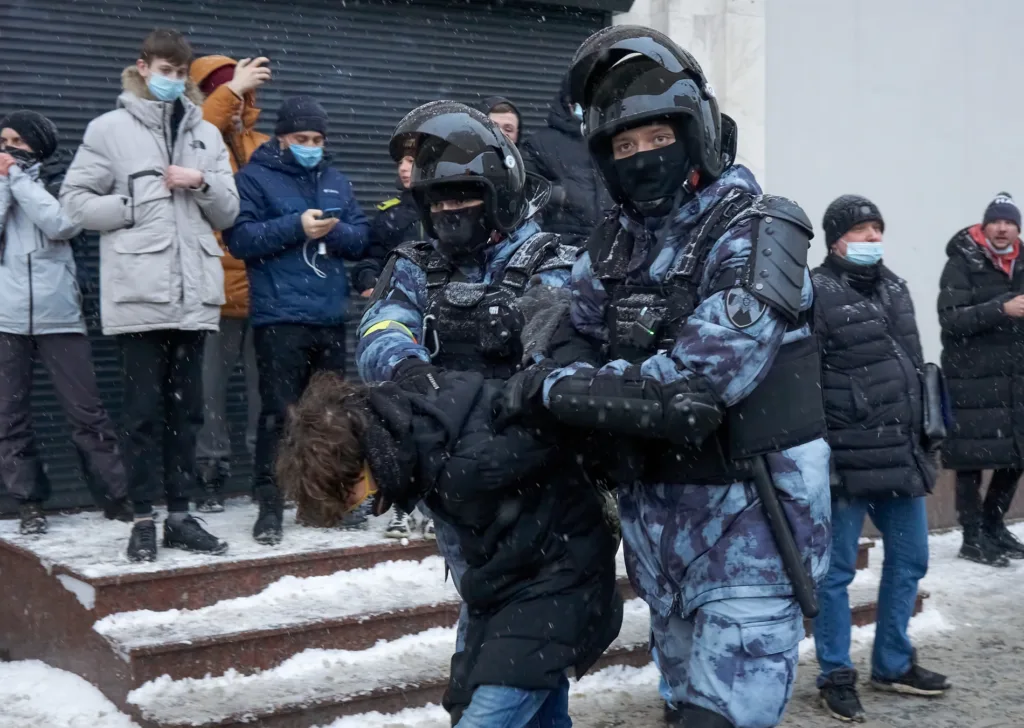
Protester detained by riot police (OMON) during rally for free Alexey Navalny on Komsomoskaya square. Photo: Gregory Stein / Shutterstock.com

4. Myth: “People in Russia do not care—they do not seek information and are satisfied with propaganda”

Reality

The study shows the opposite.

Fear of losing access to free information and connection with the outside world is one of the highest in the study: 8.81 out of 10. This means that for a significant share of respondents, access to independent information is not a secondary issue but one of the key needs of life and one of the central sources of anxiety.

Moreover, this fear serves as an important marker distinguishing critically minded citizens from those who have withdrawn into apoliticism or remained loyal to the regime. In other words, the need for truth, for an alternative picture of reality, and for informational connection to the outside world has not disappeared. On the contrary, it remains one of the most important lines of inner resistance.

The policy of collective restrictions against Russian citizens is producing the opposite effect. Instead of weakening the regime, it reinforces the feeling of a “double trap,” forces critically thinking individuals back into the country, and creates a propaganda asset that the authorities actively exploit.

The question is not whether the diaspora can change the situation right now—historical experience on this matter is mixed. The real question is what happens at the moment of political transition when it eventually occurs. If, by that time, critically thinking citizens have been forced back into the country, demoralized, and integrated into the existing system, any meaningful change will be significantly harder to achieve.

Reality

The study shows the opposite.

Fear of losing access to free information and connection with the outside world is one of the highest in the study: 8.81 out of 10. This means that for a significant share of respondents, access to independent information is not a secondary issue but one of the key needs of life and one of the central sources of anxiety.

Moreover, this fear serves as an important marker distinguishing critically minded citizens from those who have withdrawn into apoliticism or remained loyal to the regime. In other words, the need for truth, for an alternative picture of reality, and for informational connection to the outside world has not disappeared. On the contrary, it remains one of the most important lines of inner resistance.

The policy of collective restrictions against Russian citizens is producing the opposite effect. Instead of weakening the regime, it reinforces the feeling of a “double trap,” forces critically thinking individuals back into the country, and creates a propaganda asset that the authorities actively exploit.

The question is not whether the diaspora can change the situation right now—historical experience on this matter is mixed. The real question is what happens at the moment of political transition when it eventually occurs. If, by that time, critically thinking citizens have been forced back into the country, demoralized, and integrated into the existing system, any meaningful change will be significantly harder to achieve.

“I just spent half an hour trying to connect to a VPN—I have five different ones, and none of them worked. Zero access to information. And it’s not just about news—my work depends on content. Life in Russia deprives a person of absolutely everything.”

“Right now I am VERY afraid of losing connection with the normal world, because news, WhatsApp, Instagram are being blocked (you can still use VPNs for now, but they are often blocked too—you have to constantly search for a working one).”

“Another fear is that they will either impose an iron curtain or make it impossible to access information on how and where to find jobs abroad, so there is a risk of being stuck here for life.”

“I just spent half an hour trying to connect to a VPN—I have five different ones, and none of them worked. Zero access to information. And it’s not just about news—my work depends on content. Life in Russia deprives a person of absolutely everything.”

“Right now I am VERY afraid of losing connection with the normal world, because news, WhatsApp, Instagram are being blocked (you can still use VPNs for now, but they are often blocked too—you have to constantly search for a working one).”

“Another fear is that they will either impose an iron curtain or make it impossible to access information on how and where to find jobs abroad, so there is a risk of being stuck here for life.”

Conclusion

The findings of this study fundamentally challenge the conventional, monolithic interpretation of public sentiment within Russia. The outward appearance of social cohesion and passive conformity is not an indicator of systemic ideological alignment or genuine regime loyalty; rather, it is the direct structural consequence of a highly effective, dual-layered containment trap. Critically minded citizens inside the country find themselves simultaneously paralyzed by the internal machinery of state repression and isolated by the external architecture of international restrictions.

When the primary mechanisms of civic agency, both “voice” (internal protest) and “exit” (emigration), are consistently obstructed, individuals are forced into a state of acute frustration and outward compliance. This “great stuckness” does not signify a stable support base for the regime; it represents a captive population held hostage by concrete, everyday constraints, including acute financial barriers, legal isolation, and deep-seated family caregiving obligations.

The findings of this study fundamentally challenge the conventional, monolithic interpretation of public sentiment within Russia. The outward appearance of social cohesion and passive conformity is not an indicator of systemic ideological alignment or genuine regime loyalty; rather, it is the direct structural consequence of a highly effective, dual-layered containment trap. Critically minded citizens inside the country find themselves simultaneously paralyzed by the internal machinery of state repression and isolated by the external architecture of international restrictions.

When the primary mechanisms of civic agency, both “voice” (internal protest) and “exit” (emigration), are consistently obstructed, individuals are forced into a state of acute frustration and outward compliance. This “great stuckness” does not signify a stable support base for the regime; it represents a captive population held hostage by concrete, everyday constraints, including acute financial barriers, legal isolation, and deep-seated family caregiving obligations.

Recommendations

1. Lower the Barriers to Exit for Critically Minded Citizens

International policy should avoid unintentionally reinforcing the Kremlin’s containment strategy through collective restrictions that trap anti-war and critically minded citizens inside Russia. International strategies should reduce the legal, financial, and bureaucratic costs of exit through flexible humanitarian corridors, recognition of professional qualifications, and pathways built for families rather than individuals alone.

International policy should avoid unintentionally reinforcing the Kremlin’s containment strategy through collective restrictions that trap anti-war and critically minded citizens inside Russia. International strategies should reduce the legal, financial, and bureaucratic costs of exit through flexible humanitarian corridors, recognition of professional qualifications, and pathways built for families rather than individuals alone.

2. Design Migration Policy Around Social and Family Constraints

Programs aimed at single specialists, such as IT professionals, ignore the caregiving obligations that anchor most people in place. Mechanisms should allow relocation with dependent children and elderly parents, and should account for gender-inclusive support, in particular, the burden of heavier care and lower exit probability that women face (“the double bind”). Many remain not out of loyalty, but because of “anchoring fears”—responsibility for children and elderly parents.
Programs aimed at single specialists, such as IT professionals, ignore the caregiving obligations that anchor most people in place. Mechanisms should allow relocation with dependent children and elderly parents, and should account for gender-inclusive support, in particular, the burden of heavier care and lower exit probability that women face (“the double bind”). Many remain not out of loyalty, but because of “anchoring fears”—responsibility for children and elderly parents.

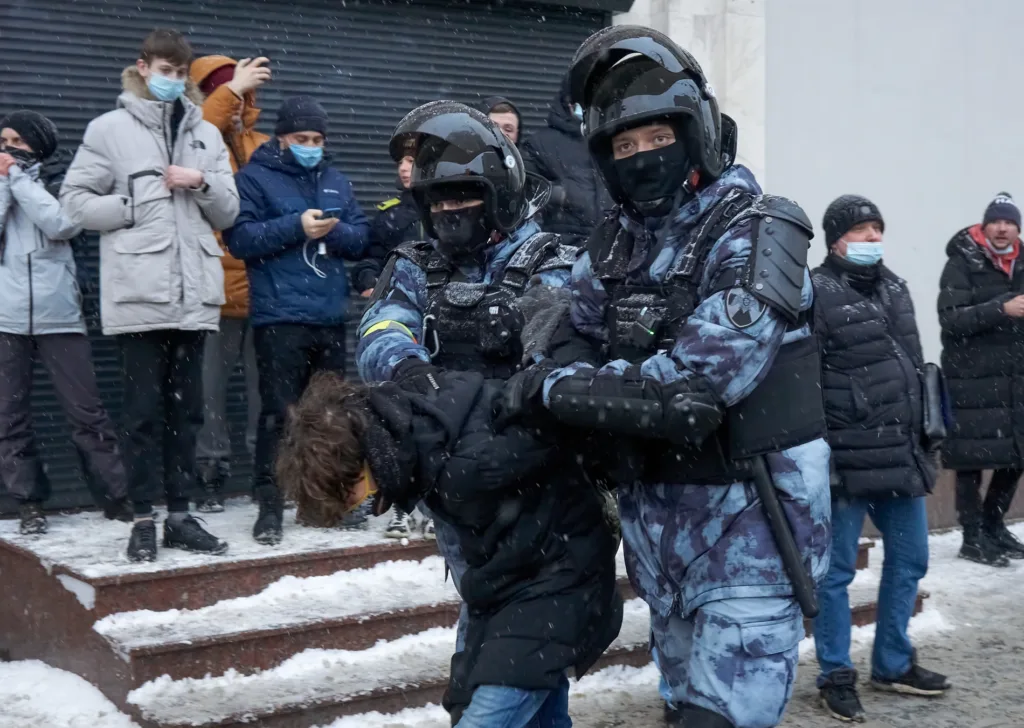
Rally in support of Russian opposition leader Alexei Navalny. Photo: NCKAHDEP / Shutterstock.com

3. Break the Information Blockade

The demand for independent information ranks among the strongest fears recorded in the study, at 8.81 out of 10, and functions as a core line of inner resistance. Policymakers should fund and sustain censorship-circumvention tools and reliable VPNs, support secure communication platforms that reduce the fear of digital surveillance and persecution, and maintain independent media outreach, which reaches even members of the security services who cannot leave due to confiscated passports.

The demand for independent information ranks among the strongest fears recorded in the study, at 8.81 out of 10, and functions as a core line of inner resistance. Policymakers should fund and sustain censorship-circumvention tools and reliable VPNs, support secure communication platforms that reduce the fear of digital surveillance and persecution, and maintain independent media outreach, which reaches even members of the security services who cannot leave due to confiscated passports.

4. Decouple the Kremlin from the Population it Represses

Public and diplomatic messaging should dismantle the myth of unanimous internal support, the regime’s most potent domestic propaganda asset. Highlighting the conflict and diversity within Russian society, supporting horizontal communication networks, and articulating a constructive vision of a post-transition future strip the regime of the illusion of a unified majority and counter the sense of being locked in from both sides that pushes critics back toward the state.

Public and diplomatic messaging should dismantle the myth of unanimous internal support, the regime’s most potent domestic propaganda asset. Highlighting the conflict and diversity within Russian society, supporting horizontal communication networks, and articulating a constructive vision of a post-transition future strip the regime of the illusion of a unified majority and counter the sense of being locked in from both sides that pushes critics back toward the state.

5. Rebuild the Evidence Base on Closed Societies

Official mass surveys capture only what citizens consider “safe” to express. Policymakers should prioritize qualitative and mixed-method research that reaches the population invisible to official polling and should treat dissent among state employees as an early indicator of elite fragmentation and possible transition.

Official mass surveys capture only what citizens consider “safe” to express. Policymakers should prioritize qualitative and mixed-method research that reaches the population invisible to official polling and should treat dissent among state employees as an early indicator of elite fragmentation and possible transition.

Summary for Policymakers

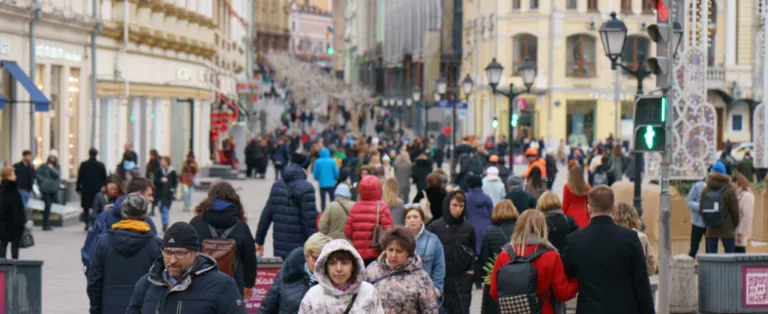
Ultimately, the stakes lie in preparing for the eventual moment of political transition. If the international community continues to ignore the invisible friction within Russian society, it risks permanently alienating, demoralizing, and pushing back into the system the very human capital necessary to drive systemic change. By treating this population not as an undifferentiated mass of accomplices, but as structurally constrained actors, policymakers can transform enforced immobility into a point of long-term strategic leverage against the consolidation of resilient authoritarianism.

The absence of mass protest or mass exodus from Russia should not be read as consent or alignment with the regime’s actions. Many critically minded citizens are caught in a structural trap of fear, isolation, and a systemic lack of viable options: family obligations, financial constraints, visa barriers, and shrinking access to independent information. The strategic task is not to treat Russian society as a monolithic bloc of supporters, but to identify and support the segments whose apparent passivity reflects enforced immobility rather than loyalty.
Ultimately, the stakes lie in preparing for the eventual moment of political transition. If the international community continues to ignore the invisible friction within Russian society, it risks permanently alienating, demoralizing, and pushing back into the system the very human capital necessary to drive systemic change. By treating this population not as an undifferentiated mass of accomplices, but as structurally constrained actors, policymakers can transform enforced immobility into a point of long-term strategic leverage against the consolidation of resilient authoritarianism.

The absence of mass protest or mass exodus from Russia should not be read as consent or alignment with the regime’s actions. Many critically minded citizens are caught in a structural trap of fear, isolation, and a systemic lack of viable options: family obligations, financial constraints, visa barriers, and shrinking access to independent information. The strategic task is not to treat Russian society as a monolithic bloc of supporters, but to identify and support the segments whose apparent passivity reflects enforced immobility rather than loyalty.
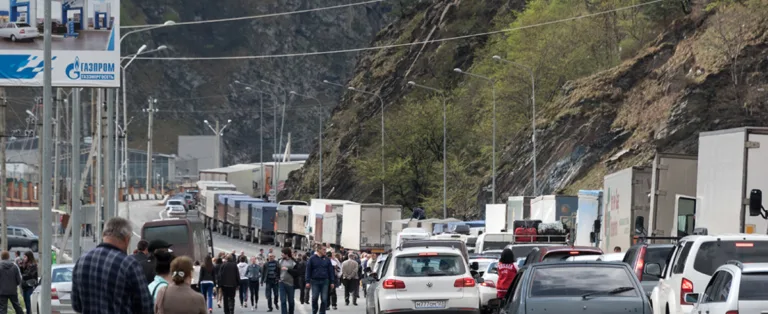
Policy should focus on lowering the “exit cost” for those already internally opposed to the regime, preserving access to information, and challenging the myth of unanimous support. This will weaken one of the Kremlin’s most powerful instruments of control: the illusion that no alternative Russia exists.

Subscribe to Think Tank newsletter for expert content

Get new reports, analysis, and policy briefs from Free Russia Foundation experts.