
Politics
A Vision of the Future Against Fatigue and Resentment
To overcome the hardships of war and emigration, Russians in exile need to adopt a global mindset
By Natalia Arno By Grigory Frolov By Vladimir Milov January 12, 2026
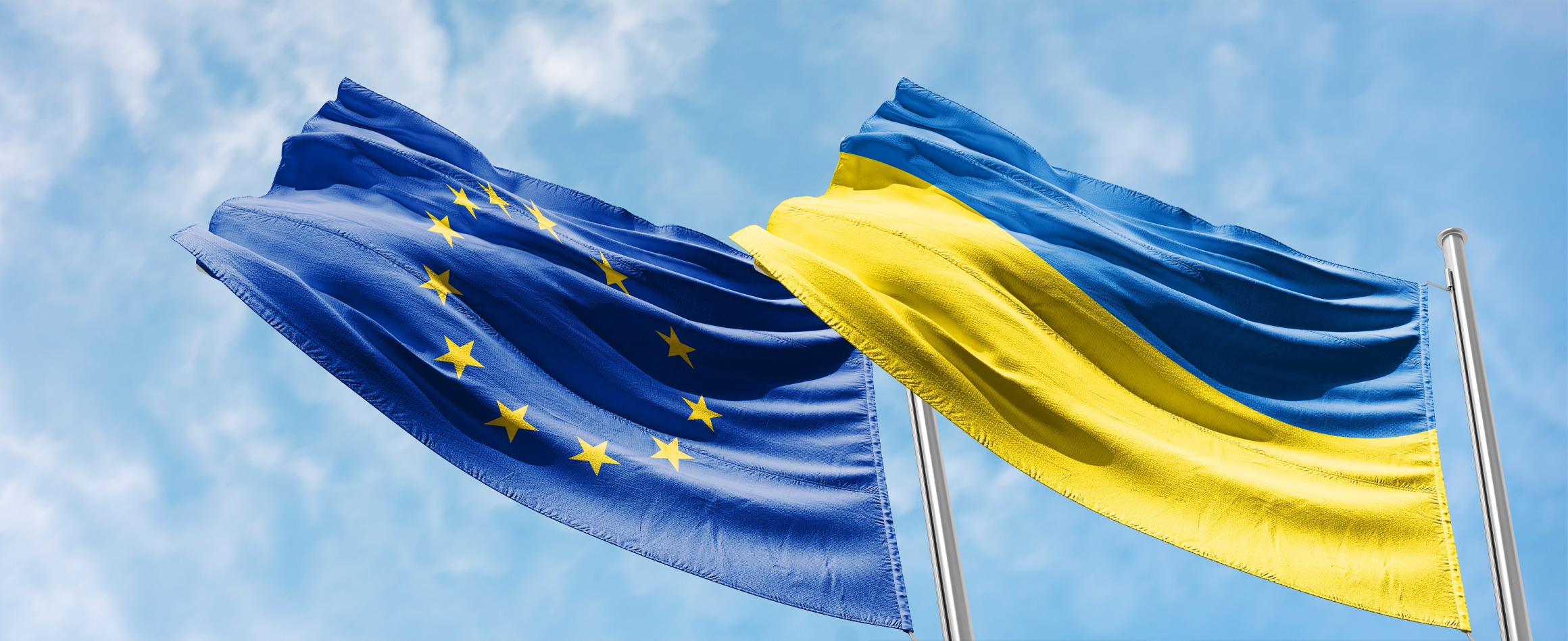


To overcome the hardships of war and emigration, Russians in exile need to adopt a global mindset
By Natalia Arno By Grigory Frolov By Vladimir Milov January 12, 2026
Putin’s war against Ukraine is approaching its fourth anniversary — longer than Russia’s participation in World War I and comparable in duration to the Soviet Union’s war against Nazi Germany. This unprecedented period of trials is reflected in the mood of the Russian political émigré community: pessimism is rising, and, even more alarmingly, there is a growing demand for political resentment. Why is this dangerous, and what alternatives can be offered?
Putin’s war against Ukraine is approaching its fourth anniversary — longer than Russia’s participation in World War I and comparable in duration to the Soviet Union’s war against Nazi Germany. This unprecedented period of trials is reflected in the mood of the Russian political émigré community: pessimism is rising, and, even more alarmingly, there is a growing demand for political resentment. Why is this dangerous, and what alternatives can be offered?
Among anti‑war Russians, signs of a universal sense of grievance and rejection are emerging. We were forced to leave our homeland, but the experience of emigration is objectively difficult. Against the backdrop of war and the pressure of populist forces in the West, visa and migration policies are tightening, and attitudes toward arriving Russians often worsen. The world is becoming more selfish: following only one’s pragmatic interests is in vogue today, while the ideals of 1991 — the collapse of the communist totalitarian regime and the so‑called “end of history” — seem hopelessly forgotten.
If everyone around us is only looking out for themselves, why should we act differently? The conversation is dominated by Ukraine — so why shouldn’t Russians seek to put their own rights and interests first? Focus on solving problems with visas, bank accounts, frozen assets, or resist the idea of paying reparations to Ukraine?
Such reasoning is increasingly heard on opposition forums in exile, in articles and speeches by Russian politicians and public figures, and in interviews conducted by well‑known hosts. It is often voiced in a tone of arrogant grumbling toward Ukraine or Euroscepticism is stronger than that of European right‑wing populists, rather than in constructive discussion about the future of Russia and the world.
It may seem unnecessary to elaborate on why political resentment is dangerous. But the problem is growing: war fatigue, combined with the accumulating difficulties of emigration, could push Russian exiles toward becoming not bearers of ideas for the future — of reform, of transforming Russia into a successful and law‑abiding democratic country — but yet another embittered group of people, uninteresting to anyone and with little chance of escaping the political‑historical ghetto. Comparisons with the White émigrés of the 1920s are increasingly common, and for a good reason.
Among anti‑war Russians, signs of a universal sense of grievance and rejection are emerging. We were forced to leave our homeland, but the experience of emigration is objectively difficult. Against the backdrop of war and the pressure of populist forces in the West, visa and migration policies are tightening, and attitudes toward arriving Russians often worsen. The world is becoming more selfish: following only one’s pragmatic interests is in vogue today, while the ideals of 1991 — the collapse of the communist totalitarian regime and the so‑called “end of history” — seem hopelessly forgotten.
If everyone around us is only looking out for themselves, why should we act differently? The conversation is dominated by Ukraine — so why shouldn’t Russians seek to put their own rights and interests first? Focus on solving problems with visas, bank accounts, frozen assets, or resist the idea of paying reparations to Ukraine?
Such reasoning is increasingly heard on opposition forums in exile, in articles and speeches by Russian politicians and public figures, and in interviews conducted by well‑known hosts. It is often voiced in a tone of arrogant grumbling toward Ukraine or Euroscepticism is stronger than that of European right‑wing populists, rather than in constructive discussion about the future of Russia and the world.
It may seem unnecessary to elaborate on why political resentment is dangerous. But the problem is growing: war fatigue, combined with the accumulating difficulties of emigration, could push Russian exiles toward becoming not bearers of ideas for the future — of reform, of transforming Russia into a successful and law‑abiding democratic country — but yet another embittered group of people, uninteresting to anyone and with little chance of escaping the political‑historical ghetto. Comparisons with the White émigrés of the 1920s are increasingly common, and for a good reason.
To prevent events from following such a negative trajectory, Russians in exile need to remember something important.
In April 2026, it will be 75 years since the signing of the Paris Treaty between Western European countries, including Germany and France — widely known as the Coal and Steel Agreement. This foundational document marked the beginning of what would become the modern European Union.
It was not merely an agreement between yesterday’s adversaries in World War II. Germany and France, the largest economies among the signatories, had fought each other for centuries. They had ample reasons to resent one another: massive wartime losses, disputes over Saar or Alsace, reparations debates, and questions about who would receive more aid under the Marshall Plan. Even the idea of a coal and steel union seemed challenging: open borders? How so? Wouldn’t competition with imported goods hurt domestic producers? Would people lose jobs? At the time, the reasons to protect short‑term pragmatic interests were greater than today — all of Europe was in ruins, and every penny counted.
Yet these countries were led by visionary leaders who cared about something greater than short‑term, pseudo‑pragmatic disputes: the successful future of a united, free Europe. Leaders such as the first post‑war Chancellor of democratic West Germany, Konrad Adenauer, and French Christian Democrat Robert Schuman (after whom the square at the European Commission in Brussels is named today).
They understood well that fighting for short‑term interests is a never‑ending cycle, one that France, Germany, and Europe had repeatedly experienced. They knew that building something new and shared would require mutual concessions instead of entrenched selfishness — and that this common space would offer both purpose and tangible benefits. History shows that their calculations paid off brilliantly.
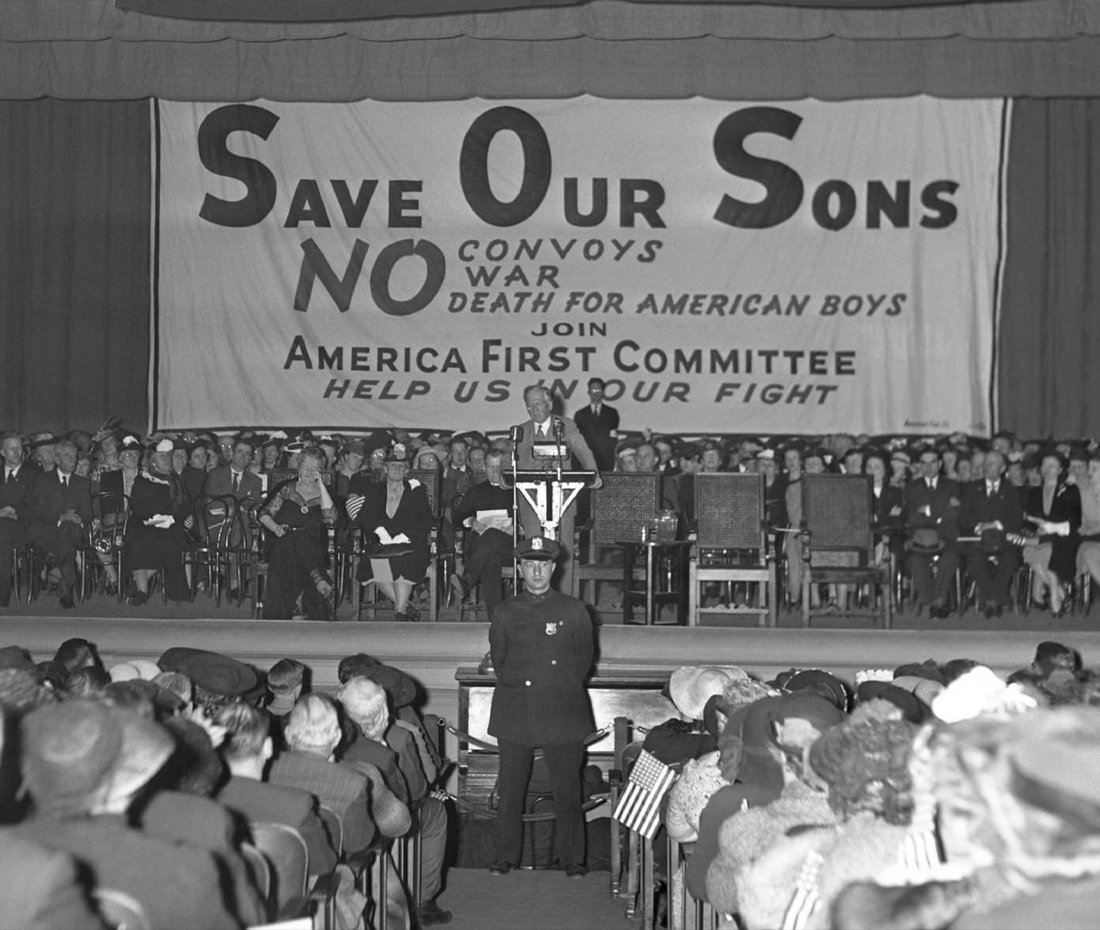
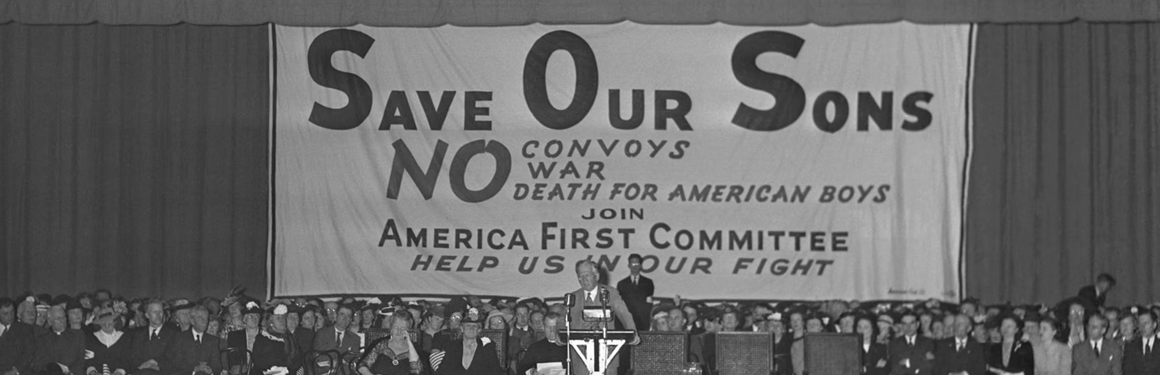
It was not easy for their partners in the United States either, who became the largest donors to post‑war Europe. Non‑interventionism, isolationism, and opposition to European involvement were strong currents in America. Before Japan attacked Pearl Harbor in 1941, the America First Committee — likely familiar to today’s audiences — promoted these ideas.
Senator Robert Taft, a non‑interventionist and opponent of NATO, tried to scale back the Marshall Plan, conceding only slightly to Dwight Eisenhower during the 1952 Republican primaries (a different outcome could have changed history significantly). Seventy‑five years ago, the U.S. also had its share of domestic opposition to helping Europe under the guise of “pragmatic” reasoning.
To prevent events from following such a negative trajectory, Russians in exile need to remember something important.
In April 2026, it will be 75 years since the signing of the Paris Treaty between Western European countries, including Germany and France — widely known as the Coal and Steel Agreement. This foundational document marked the beginning of what would become the modern European Union.
It was not merely an agreement between yesterday’s adversaries in World War II. Germany and France, the largest economies among the signatories, had fought each other for centuries. They had ample reasons to resent one another: massive wartime losses, disputes over Saar or Alsace, reparations debates, and questions about who would receive more aid under the Marshall Plan. Even the idea of a coal and steel union seemed challenging: open borders? How so? Wouldn’t competition with imported goods hurt domestic producers? Would people lose jobs? At the time, the reasons to protect short‑term pragmatic interests were greater than today — all of Europe was in ruins, and every penny counted.
Yet these countries were led by visionary leaders who cared about something greater than short‑term, pseudo‑pragmatic disputes: the successful future of a united, free Europe. Leaders such as the first post‑war Chancellor of democratic West Germany, Konrad Adenauer, and French Christian Democrat Robert Schuman (after whom the square at the European Commission in Brussels is named today).
They understood well that fighting for short‑term interests is a never‑ending cycle, one that France, Germany, and Europe had repeatedly experienced. They knew that building something new and shared would require mutual concessions instead of entrenched selfishness — and that this common space would offer both purpose and tangible benefits. History shows that their calculations paid off brilliantly.
It was not easy for their partners in the United States either, who became the largest donors to post‑war Europe. Non‑interventionism, isolationism, and opposition to European involvement were strong currents in America. Before Japan attacked Pearl Harbor in 1941, the America First Committee — likely familiar to today’s audiences — promoted these ideas.
Senator Robert Taft, a non‑interventionist and opponent of NATO, tried to scale back the Marshall Plan, conceding only slightly to Dwight Eisenhower during the 1952 Republican primaries (a different outcome could have changed history significantly). Seventy‑five years ago, the U.S. also had its share of domestic opposition to helping Europe under the guise of “pragmatic” reasoning.
Yet in America too, strategic visionaries prevailed. Democratic Europe received protection and aid through the Marshall Plan. Later came Kennedy with his famous Berlin speech, making it clear that no one would be abandoned in the face of the communist threat.
Then Reagan and Helmut Kohl extended swift assistance to Central and Eastern Europe after the collapse of communism, enabling unprecedented economic progress. Today, Poland is among the 20 largest economies in the world, something unimaginable thirty years ago. The country could have indulged in disputes with Germany over Silesia, yet it chose to move forward instead of backward.
The result: three‑quarters of a century later, we have a united, free Europe with high living standards and strong human rights protections. Despite new challenges — even from across the ocean — it remains a bastion against the rise of dictatorships. Imagine what Europe might have looked like if, in the 1950s and 1960s, advocates of petty disputes and pseudo‑pragmatism had prevailed.
Yet in America too, strategic visionaries prevailed. Democratic Europe received protection and aid through the Marshall Plan. Later came Kennedy with his famous Berlin speech, making it clear that no one would be abandoned in the face of the communist threat.
Then Reagan and Helmut Kohl extended swift assistance to Central and Eastern Europe after the collapse of communism, enabling unprecedented economic progress. Today, Poland is among the 20 largest economies in the world, something unimaginable thirty years ago. The country could have indulged in disputes with Germany over Silesia, yet it chose to move forward instead of backward.
The result: three‑quarters of a century later, we have a united, free Europe with high living standards and strong human rights protections. Despite new challenges — even from across the ocean — it remains a bastion against the rise of dictatorships. Imagine what Europe might have looked like if, in the 1950s and 1960s, advocates of petty disputes and pseudo‑pragmatism had prevailed.
By contrast, Russia has largely squandered its historical chance to become a normal, modern democratic country over the past 40 years — largely due to falling into pseudo‑pragmatism and resentment. Somewhere we were “wronged,” something was “taken from us.” The reflex to “get back” or grab here and there dominates thinking. Populist leaders exploited these sentiments, giving rise to mainstream harmful pseudo‑pragmatic ideas about “spheres of influence” and the “liberal empire.” Then came Georgia, Crimea, and Donbass. The rest is known.
After the historical failures of the past four decades, Russia has little chance of returning as an influential global player if it continues to base its worldview on narrow, selfish interests and nurture grievances, fret over every frozen asset or reparations, or speak about Ukraine reluctantly or not at all. A selfish Russia built on resentment is of no interest to anyone; the world is full of such centers of egoism.
Most importantly, such a Russia cannot help itself: catering to selfish impulses cannot build success. Open markets, the removal of barriers, helping others — these are what ultimately pay off, whether in the economic success of European integration or in the list of major donor states supporting other countries, led by leading market democracies.
No doubt, revisionism, egoism, and populist nationalism are in fashion today. Yet we have already gone down this path. Closed borders and subsistence farming are a poor alternative to open markets and international division of labor, and populism leads to worsening economic conditions. Understanding the dead‑end of the current renaissance of global archaic thinking will inevitably come, as will a new wave of liberation from dictatorships and political and economic rapprochement among nations.
By contrast, Russia has largely squandered its historical chance to become a normal, modern democratic country over the past 40 years — largely due to falling into pseudo‑pragmatism and resentment. Somewhere we were “wronged,” something was “taken from us.” The reflex to “get back” or grab here and there dominates thinking. Populist leaders exploited these sentiments, giving rise to mainstream harmful pseudo‑pragmatic ideas about “spheres of influence” and the “liberal empire.” Then came Georgia, Crimea, and Donbass. The rest is known.
After the historical failures of the past four decades, Russia has little chance of returning as an influential global player if it continues to base its worldview on narrow, selfish interests and nurture grievances, fret over every frozen asset or reparations, or speak about Ukraine reluctantly or not at all. A selfish Russia built on resentment is of no interest to anyone; the world is full of such centers of egoism.
Most importantly, such a Russia cannot help itself: catering to selfish impulses cannot build success. Open markets, the removal of barriers, helping others — these are what ultimately pay off, whether in the economic success of European integration or in the list of major donor states supporting other countries, led by leading market democracies.
No doubt, revisionism, egoism, and populist nationalism are in fashion today. Yet we have already gone down this path. Closed borders and subsistence farming are a poor alternative to open markets and international division of labor, and populism leads to worsening economic conditions. Understanding the dead‑end of the current renaissance of global archaic thinking will inevitably come, as will a new wave of liberation from dictatorships and political and economic rapprochement among nations.
The main challenge for Russia’s future reintegration into the democratic world is that trust in us has been severely undermined. Russia was trusted in the 1980s, 1990s, and early 2000s. People believed our democratization was genuine, that we would play by the rules, respect the sovereignty of other nations, and abandon imperial ambitions. We began destroying this trust long before the aggression against Ukraine: the imperial aspirations of the Russian nomenklatura, aiming to create “zones of exclusive influence,” were evident by the late 1990s.
Now, after everything that has happened, any signs of resentment among Russians will be perceived as proof that Russia is hopeless, that its imperial instincts can never be overcome. Unfortunately, the Russian community gives plenty of reasons for this. Voices are constantly heard asserting that Russians do not want to pay reparations to Ukraine, that they want to claim frozen assets ahead of Ukraine. Regular disparagement of Ukraine or the EU is heard. Prominent opposition figures either remain silent on Ukraine’s issues or predict its military defeat.
Many talk about their personal needs more often than about the contributions Russians are willing to make to the global fight against authoritarianism. Arrogance toward the EU and Ukraine, Euroscepticism, and anti‑immigrant rhetoric are a highly visible part of the Russian émigré discourse, resembling a European right‑wing populist party such as those led by Le Pen or AfD.
Let’s be clear: some recent trends in Russian émigré rhetoric reduce confidence that Russia can successfully reintegrate into the free world. It increasingly resembles a provincial, populist Eastern European party rather than a community of forward‑looking, strategic thinkers.
If we want to be a mature, global, democratic nation of the future, we must stop constantly criticizing everything and fighting for short‑term interests. We must learn to see allies in others, adopt their approaches to solving problems, and rise above temporary slights — whether EU visa restrictions or criticism from segments of Ukrainian society.
Germans and French were able to put aside mutual grievances after World War II. Post‑war U.S. leaders persuaded America to extend a helping hand to a war‑ravaged Europe. Western European leaders helped Central and Eastern Europe recover from the heavy consequences of communism.
The main challenge for Russia’s future reintegration into the democratic world is that trust in us has been severely undermined. Russia was trusted in the 1980s, 1990s, and early 2000s. People believed our democratization was genuine, that we would play by the rules, respect the sovereignty of other nations, and abandon imperial ambitions. We began destroying this trust long before the aggression against Ukraine: the imperial aspirations of the Russian nomenklatura, aiming to create “zones of exclusive influence,” were evident by the late 1990s.
Now, after everything that has happened, any signs of resentment among Russians will be perceived as proof that Russia is hopeless, that its imperial instincts can never be overcome. Unfortunately, the Russian community gives plenty of reasons for this. Voices are constantly heard asserting that Russians do not want to pay reparations to Ukraine, that they want to claim frozen assets ahead of Ukraine. Regular disparagement of Ukraine or the EU is heard. Prominent opposition figures either remain silent on Ukraine’s issues or predict its military defeat.
Many talk about their personal needs more often than about the contributions Russians are willing to make to the global fight against authoritarianism. Arrogance toward the EU and Ukraine, Euroscepticism, and anti‑immigrant rhetoric are a highly visible part of the Russian émigré discourse, resembling a European right‑wing populist party such as those led by Le Pen or AfD.
Let’s be clear: some recent trends in Russian émigré rhetoric reduce confidence that Russia can successfully reintegrate into the free world. It increasingly resembles a provincial, populist Eastern European party rather than a community of forward‑looking, strategic thinkers.
If we want to be a mature, global, democratic nation of the future, we must stop constantly criticizing everything and fighting for short‑term interests. We must learn to see allies in others, adopt their approaches to solving problems, and rise above temporary slights — whether EU visa restrictions or criticism from segments of Ukrainian society.
Germans and French were able to put aside mutual grievances after World War II. Post‑war U.S. leaders persuaded America to extend a helping hand to a war‑ravaged Europe. Western European leaders helped Central and Eastern Europe recover from the heavy consequences of communism.
Ukraine is an extremely important reference point for the future of Russia. While some Russian commentators depict it almost as a failed state, Ukraine has, under enormous external, Putin‑driven, and internal oligarchic pressures, defended its democratic statehood and resisted subjugation.
Its democratic institutions are strong: national anti‑corruption bodies, empowered by independent civil society, are investigating corruption within the current president’s circle. Russia is far from achieving this. For years, Ukraine has heroically resisted Putin’s attempts to crush it as a sovereign state and the efforts of domestic oligarchs to dominate it.
Ukraine has accomplished what we could not: building a strong, independent civil society that stands on equal footing with the government. This is a key reason why Putin has been unable to defeat Ukraine: no one fights so desperately for oligarchic power — only for a free country where people matter.
Ukraine is an extremely important reference point for the future of Russia. While some Russian commentators depict it almost as a failed state, Ukraine has, under enormous external, Putin‑driven, and internal oligarchic pressures, defended its democratic statehood and resisted subjugation.
Its democratic institutions are strong: national anti‑corruption bodies, empowered by independent civil society, are investigating corruption within the current president’s circle. Russia is far from achieving this. For years, Ukraine has heroically resisted Putin’s attempts to crush it as a sovereign state and the efforts of domestic oligarchs to dominate it.
Ukraine has accomplished what we could not: building a strong, independent civil society that stands on equal footing with the government. This is a key reason why Putin has been unable to defeat Ukraine: no one fights so desperately for oligarchic power — only for a free country where people matter.
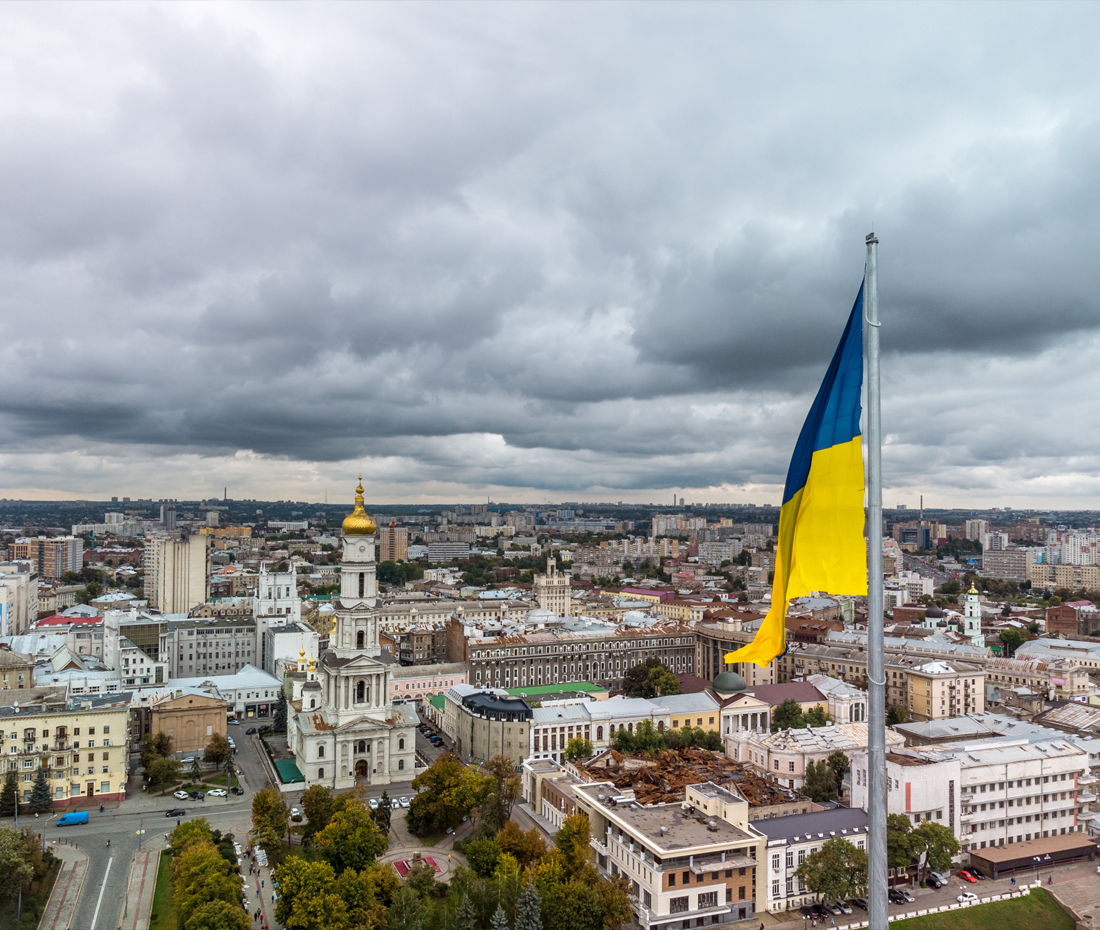
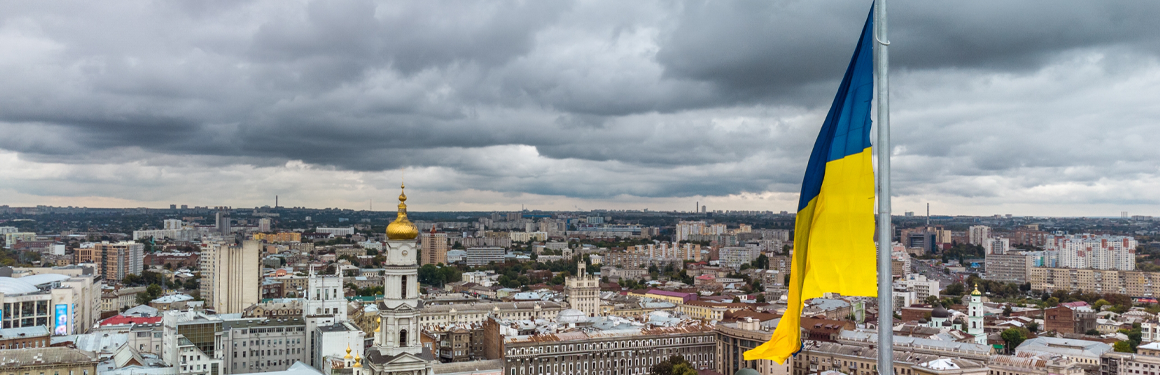
Because of its success in defending democracy, Ukraine is far ahead of us in Eurointegration, which we not only dreamed about but officially declared a goal. Putin now lies, claiming that in 2013 Ukraine faced a choice between the EU and his “Eurasian” dictatorship.
In reality, Russia and the EU had a joint roadmap for a common economic space, supported by Russian citizens. Only war, propaganda, and censorship allowed Putin to derail Russia from this natural European integration path. Ukraine’s successful integration into Euro‑Atlantic structures can serve as a model for Russia, revitalizing our own project of returning to Europe.
Because of its success in defending democracy, Ukraine is far ahead of us in Eurointegration, which we not only dreamed about but officially declared a goal. Putin now lies, claiming that in 2013 Ukraine faced a choice between the EU and his “Eurasian” dictatorship.
In reality, Russia and the EU had a joint roadmap for a common economic space, supported by Russian citizens. Only war, propaganda, and censorship allowed Putin to derail Russia from this natural European integration path. Ukraine’s successful integration into Euro‑Atlantic structures can serve as a model for Russia, revitalizing our own project of returning to Europe.
The same applies to entrenched Euroscepticism among Russian émigrés. Much of the criticism of the EU voiced by the Russian political diaspora is unfair. Despite rough edges and often poorly implemented initiatives, Europe does a great deal to support free, anti‑Putin Russians.
Yes, EU decision‑making can appear chaotic due to disputes and coordination challenges. But it embodies the culture of dialogue and compromise that we have long lacked. Would you prefer the swift style of unilateral decisions by an authoritarian leader? Haven’t we had enough of that?
In the end, Europe may move slowly, but it delivers. It has overtaken the U.S. in military aid to Ukraine, quickly resolved production issues for defense against Putin’s aggression, reduced Russian oil and gas imports by over 90% compared to 2021 (except Hungary and Slovakia), and has suffered hundreds of billions of euros in economic losses from abandoning Russian energy.
EU sanctions against Putin’s officials and oligarchs, including asset freezes and arrests, continue to be enforced. Europe essentially carries the burden of major global challenges — climate change, aid to poor countries, trade liberalization, curbing tech monopolies — largely on its own.
We need to focus more on how we can help Europe and Ukraine in the fight against Putin. To paraphrase Kennedy: think about what you can contribute to the common cause, not what the common cause can do for you. Then visas and other issues will also be resolved faster. Distrust toward Russians remains high, and the émigré community often exacerbates it, sadly.
Free Russians must think bigger. We should emulate Adenauer and Schuman, who set aside centuries of Franco‑German enmity. We should take examples from John Kennedy, Ronald Reagan, and Helmut Kohl, not AfD.
If we follow the fashion of selfishness and archaic populism, we will never join the ranks of visionary nations building a free world after Putin and other autocrats fail in their attempts to drag humanity back to the 19th century.
The same applies to entrenched Euroscepticism among Russian émigrés. Much of the criticism of the EU voiced by the Russian political diaspora is unfair. Despite rough edges and often poorly implemented initiatives, Europe does a great deal to support free, anti‑Putin Russians.
Yes, EU decision‑making can appear chaotic due to disputes and coordination challenges. But it embodies the culture of dialogue and compromise that we have long lacked. Would you prefer the swift style of unilateral decisions by an authoritarian leader? Haven’t we had enough of that?
In the end, Europe may move slowly, but it delivers. It has overtaken the U.S. in military aid to Ukraine, quickly resolved production issues for defense against Putin’s aggression, reduced Russian oil and gas imports by over 90% compared to 2021 (except Hungary and Slovakia), and has suffered hundreds of billions of euros in economic losses from abandoning Russian energy.
EU sanctions against Putin’s officials and oligarchs, including asset freezes and arrests, continue to be enforced. Europe essentially carries the burden of major global challenges — climate change, aid to poor countries, trade liberalization, curbing tech monopolies — largely on its own.
We need to focus more on how we can help Europe and Ukraine in the fight against Putin. To paraphrase Kennedy: think about what you can contribute to the common cause, not what the common cause can do for you. Then visas and other issues will also be resolved faster. Distrust toward Russians remains high, and the émigré community often exacerbates it, sadly.
Free Russians must think bigger. We should emulate Adenauer and Schuman, who set aside centuries of Franco‑German enmity. We should take examples from John Kennedy, Ronald Reagan, and Helmut Kohl, not AfD.
If we follow the fashion of selfishness and archaic populism, we will never join the ranks of visionary nations building a free world after Putin and other autocrats fail in their attempts to drag humanity back to the 19th century.
The role Russians play in this process depends on us today. Will we become a peripheral group of typical Eastern European Eurosceptics, driven by petty grievances, resentment, and ideological clichés? Or will we be full participants in the post‑dictatorial world, trusted and respected as equal partners?
To be taken seriously, we must focus less on our own problems and more on demonstrating a strategic vision for the future. Instead of arrogance toward Ukraine and Euroscepticism, we should acknowledge what Ukraine and Europe have achieved in building a fair and free world, strengthening democratic institutions. We should define how we can help, rather than constantly emphasizing our own problems — in the spirit of Kennedy’s famous formula. Mutual support systems must be developed to solve our challenges — we have the resources and capacity, and much is already underway.
We must fully support the fight for freedom and Euro‑Atlantic integration of our neighbors — not only Ukraine, but Belarus, Moldova, Armenia, and others. The sooner these nations join the Euro‑Atlantic family, the better for us: it also gives Russia a chance to integrate into the broader Euro‑Atlantic space. All hints of refusing to pay Ukraine reparations must be abandoned: fully compensating Ukraine for the damage done is an investment in the future reputation of a rule‑of-law Russia.
The same applies to claims on frozen Russian assets: Ukraine’s right to compensation is affirmed by a UN General Assembly resolution, and Russians have no grounds to place themselves ahead of Ukraine in claims against Russia. Russia has enormous resources for development, but today they are misused: spent on war, security forces, bureaucracy, and corruption.
Removing the parasitic Putinist power structure would allow Russia to grow its GDP at double‑digit rates; penny‑pinching over reparations or frozen assets is unnecessary. On the contrary, unconditional compensation to Ukraine should be seen as an investment in building the reputation of a normal Russia of the future — a reputation destroyed by Putin and perpetuated by shortsighted voices in the émigré community.
We can make Russia peaceful, free, and prosperous, but much depends on how the free world perceives us. We have the power to make the Russia of the future respected rather than feared. To do so, we must rise above the day‑to-day and demonstrate to the democratic world our strategic vision for the future of Russia and the world.
The role Russians play in this process depends on us today. Will we become a peripheral group of typical Eastern European Eurosceptics, driven by petty grievances, resentment, and ideological clichés? Or will we be full participants in the post‑dictatorial world, trusted and respected as equal partners?
To be taken seriously, we must focus less on our own problems and more on demonstrating a strategic vision for the future. Instead of arrogance toward Ukraine and Euroscepticism, we should acknowledge what Ukraine and Europe have achieved in building a fair and free world, strengthening democratic institutions. We should define how we can help, rather than constantly emphasizing our own problems — in the spirit of Kennedy’s famous formula. Mutual support systems must be developed to solve our challenges — we have the resources and capacity, and much is already underway.
We must fully support the fight for freedom and Euro‑Atlantic integration of our neighbors — not only Ukraine, but Belarus, Moldova, Armenia, and others. The sooner these nations join the Euro‑Atlantic family, the better for us: it also gives Russia a chance to integrate into the broader Euro‑Atlantic space. All hints of refusing to pay Ukraine reparations must be abandoned: fully compensating Ukraine for the damage done is an investment in the future reputation of a rule‑of-law Russia.
The same applies to claims on frozen Russian assets: Ukraine’s right to compensation is affirmed by a UN General Assembly resolution, and Russians have no grounds to place themselves ahead of Ukraine in claims against Russia. Russia has enormous resources for development, but today they are misused: spent on war, security forces, bureaucracy, and corruption.
Removing the parasitic Putinist power structure would allow Russia to grow its GDP at double‑digit rates; penny‑pinching over reparations or frozen assets is unnecessary. On the contrary, unconditional compensation to Ukraine should be seen as an investment in building the reputation of a normal Russia of the future — a reputation destroyed by Putin and perpetuated by shortsighted voices in the émigré community.
We can make Russia peaceful, free, and prosperous, but much depends on how the free world perceives us. We have the power to make the Russia of the future respected rather than feared. To do so, we must rise above the day‑to-day and demonstrate to the democratic world our strategic vision for the future of Russia and the world.
By Vladimir Milov
November 24, 2025
 Interview
 Sergei Davidis and Ivan Pavlov on the lessons of last year’s exchange, the future of political prisoners, and practical tools for fighting for freedom
By Free Russia Foundation
August 05, 2025
 Article
 How Repression Turned Justice Into a Tool of Control
By Free Russia Foundation
November 20, 2025
By Vladimir Milov
November 24, 2025
Interview Sergei Davidis and Ivan Pavlov on the lessons of last year’s exchange, the future of political prisoners, and practical tools for fighting for freedom
By Free Russia Foundation
August 05, 2025
Article How Repression Turned Justice Into a Tool of Control
By Free Russia Foundation
November 20, 2025