
War
Universal Jurisdiction
Prosecuting Russia’s Crimes Against Ukrainian Civilians and POWs
By Free Russia Foundation March 11, 2026


Prosecuting Russia’s Crimes Against Ukrainian Civilians and POWs
By Free Russia Foundation March 11, 2026
This paper examines the escalating challenges surrounding accountability for past and ongoing violations of international law committed by Russian actors against Ukrainian civilians and prisoners of war. It underscores the urgent need for more robust and effective accountability mechanisms to address grave breaches and ensure justice.
First, the paper identifies how structural limitations and resource constraints within Ukraine's judicial system, combined with the International Criminal Court's narrow capacity, leave many low- and mid‑level perpetrators (i.e., interrogators, camp commanders, security officials) outside of accountability reach.
Second, it establishes the legal framework for universal jurisdiction, examining both the mandatory obligations under the Geneva Conventions' grave breaches regime and the permissive framework for crimes against humanity, while outlining the expanding use of universal jurisdiction mechanisms in recent decades.
Third, it applies this framework to Russia's invasion of Ukraine, providing examples of ongoing universal jurisdiction investigations in Germany and Poland. It demonstrates how prosecution of lower‑level perpetrators serves three critical functions:
This paper examines the escalating challenges surrounding accountability for past and ongoing violations of international law committed by Russian actors against Ukrainian civilians and prisoners of war. It underscores the urgent need for more robust and effective accountability mechanisms to address grave breaches and ensure justice.
First, the paper identifies how structural limitations and resource constraints within Ukraine's judicial system, combined with the International Criminal Court's narrow capacity, leave many low- and mid‑level perpetrators (i.e., interrogators, camp commanders, security officials) outside of accountability reach.
Second, it establishes the legal framework for universal jurisdiction, examining both the mandatory obligations under the Geneva Conventions' grave breaches regime and the permissive framework for crimes against humanity, while outlining the expanding use of universal jurisdiction mechanisms in recent decades.
Third, it applies this framework to Russia's invasion of Ukraine, providing examples of ongoing universal jurisdiction investigations in Germany and Poland. It demonstrates how prosecution of lower‑level perpetrators serves three critical functions:
Last, it concludes with concrete recommendations for states, including legislative reform to eliminate discretionary barriers, dedicated resources for specialized war crimes units, proactive evidence collection from survivor populations, issuance of arrest warrants to restrict perpetrator movement, coordination through joint investigation teams, support for civil society documentation efforts, and deployment of diplomatic pressure linking any future engagement to accountability cooperation.
Last, it concludes with concrete recommendations for states, including legislative reform to eliminate discretionary barriers, dedicated resources for specialized war crimes units, proactive evidence collection from survivor populations, issuance of arrest warrants to restrict perpetrator movement, coordination through joint investigation teams, support for civil society documentation efforts, and deployment of diplomatic pressure linking any future engagement to accountability cooperation.
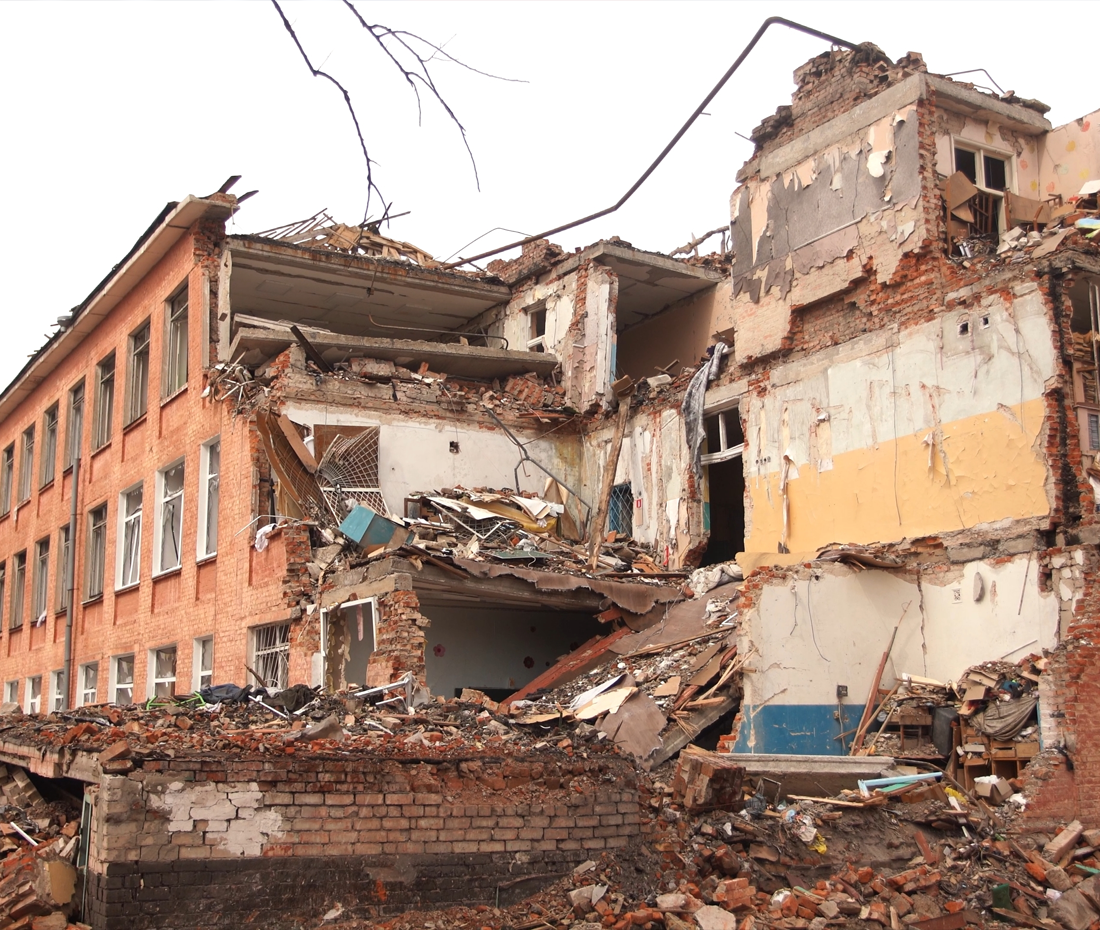
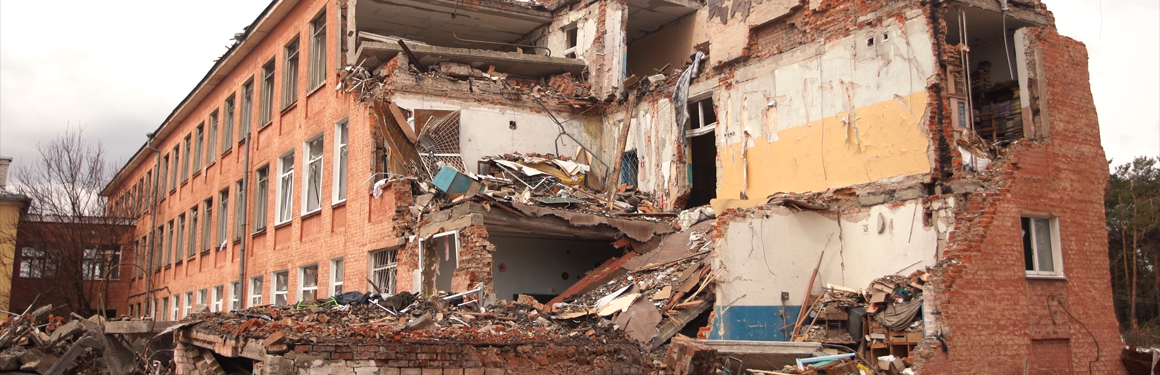
Since February 2022, Russian forces have systematically detained, forcibly disappeared, and illegally transferred thousands of Ukrainian civilians and prisoners of war (POWs). Projects like Free Russia Foundation’s Poshuk Polon document cases where civilians and POWs were last seen in Russian custody, held in filtration camps or detention facilities in occupied territories or Russia itself, and have since vanished without trace. Many detainees endure torture and inhuman treatment, as well as conduct amounting to crimes against humanity and war crimes. Where such acts constitute grave breaches of the Geneva Conventions, state parties are subject to mandatory obligations under the principle of aut dedere aut judicare, requiring them to search for, prosecute, or extradite alleged offenders found in their territory, thereby giving rise to universal jurisdiction.
In practice, however, these obligations are unevenly implemented, and many cases fall into a persistent accountability gap, as states frequently decline to initiate proceedings. As such, the use of universal jurisdiction remains comparatively rare. This accountability challenge is becoming increasingly acute as Ukrainian prosecutors, while committed to prosecuting thousands of cases, face mounting obstacles, including structural limitations within its judicial system, resource constraints, evidentiary and access barriers, and political or security pressures that undermine effective investigation and prosecution.
Furthermore, although the International Criminal Court (ICC) is investigating forced deportations and issuing warrants for senior leadership like Putin and Lvova‑Belova, it lacks the capacity to prosecute more than a few cases a year and typically targets a select few high‑level figures. As a result, many low- and mid‑level perpetrators (e.g., interrogators, camp commanders, security officials, military personnel directly responsible for enforced disappearances, torture and other covered crimes) ultimately fall beyond the reach of accountability mechanisms.
Since February 2022, Russian forces have systematically detained, forcibly disappeared, and illegally transferred thousands of Ukrainian civilians and prisoners of war (POWs). Projects like Free Russia Foundation’s Poshuk Polon document cases where civilians and POWs were last seen in Russian custody, held in filtration camps or detention facilities in occupied territories or Russia itself, and have since vanished without trace. Many detainees endure torture and inhuman treatment, as well as conduct amounting to crimes against humanity and war crimes. Where such acts constitute grave breaches of the Geneva Conventions, state parties are subject to mandatory obligations under the principle of aut dedere aut judicare, requiring them to search for, prosecute, or extradite alleged offenders found in their territory, thereby giving rise to universal jurisdiction.
In practice, however, these obligations are unevenly implemented, and many cases fall into a persistent accountability gap, as states frequently decline to initiate proceedings. As such, the use of universal jurisdiction remains comparatively rare. This accountability challenge is becoming increasingly acute as Ukrainian prosecutors, while committed to prosecuting thousands of cases, face mounting obstacles, including structural limitations within its judicial system, resource constraints, evidentiary and access barriers, and political or security pressures that undermine effective investigation and prosecution.
Furthermore, although the International Criminal Court (ICC) is investigating forced deportations and issuing warrants for senior leadership like Putin and Lvova‑Belova, it lacks the capacity to prosecute more than a few cases a year and typically targets a select few high‑level figures. As a result, many low- and mid‑level perpetrators (e.g., interrogators, camp commanders, security officials, military personnel directly responsible for enforced disappearances, torture and other covered crimes) ultimately fall beyond the reach of accountability mechanisms.
Grave breaches of the Geneva Conventions include willful killing, torture or inhuman treatment, and the willful causing of great suffering or serious injury to protected persons during an international armed conflict. Enforced disappearance, while not expressly codified as a grave breach in the Geneva Conventions, may fall within the grave breaches regime where it entails unlawful confinement, torture, inhuman treatment, or willful killing, and may also constitute a violation under international human rights law. Where conduct rises to the level of a grave breach, and the alleged offender is present in a State Party’s territory, that State is under a legal obligation to submit the case to its competent authorities for prosecution or to extradite the individual to a jurisdiction that is willing and able to prosecute. This duty applies to 196 states, making it universal.
Beyond the grave breaches framework, universal jurisdiction is also widely recognized under customary international law for genocide and crimes against humanity. Genocide (first codified in the Convention on the Prevention and Punishment of the Crime of Genocide) and crimes against humanity are reflected in the Rome Statute of the ICC as well as customary law. Crimes against humanity encompass acts such as murder, torture, and enforced disappearance when committed as part of a widespread or systematic attack against a civilian population. Although universal jurisdiction is permissive rather than obligatory under these instruments, many States have enacted domestic legislation permitting the use of universal jurisdiction over genocide and crimes against humanity. Additionally, in these contexts universal jurisdiction does not, as a matter of principle, require the alleged offender to be physically present in a State Party’s territory, although in practice many legal systems condition prosecution or trial on custody; notably, some jurisdictions have increasingly authorized proceedings in absentia.
There has been a noted upward trend in the use of universal jurisdiction as a tool for accountability. In addition to the widespread incorporation of core international crimes such as war crimes, crimes against humanity, genocide, and in some jurisdictions the crime of aggression into domestic criminal codes, the number of investigations and prosecutions for these crimes has steadily increased. The Universal Jurisdiction Annual Review 2025 recorded more than 130 matters under investigation or in judicial proceedings in 2024, including at least 36 newly opened or newly public cases and 27 convictions. The report also noted that French courts had entered convictions in absentia in two cases, with the court also stating that functional immunities (those performed in an officer’s official capacity) do not apply in international crimes cases.
Additionally, scholars have found a marked decade‑by-decade increase: 286 cases were initiated before 1988; 342 between 1988 and 1997; 503 between 1998 and 2007; and 815 between 2008 and 2017. In Europe alone, based on a study conducted in 2023, 23 of 27 EU Member States provide for universal jurisdiction over the most serious crimes in their national framework. While the scope of this jurisdiction varies, with some states adopting relatively expansive “pure” universal jurisdiction and others conditioning jurisdiction on subsidiarity, presence requirements, or prosecutorial discretion, universal jurisdiction has moved from an exceptional doctrine to a mainstream feature of many domestic criminal systems for atrocity crimes.
Despite this expansion in the use of universal jurisdiction, the percentage of cases that culminate in completed trials remains relatively small (although the rate appears to be gradually increasing as well). For instance, fewer than five percent of cases initiated between 2008 and 2017 reached final adjudication. While this is an improvement from the previous decades, it nonetheless underscores the challenges that continue to impede the effective use of universal jurisdiction. In addition to the structural and practical challenges such as immunity doctrines, resource constraints, and evidentiary hurdles, cases are also vulnerable to political interference and diplomatic pressures.
While these constraints are real, they do not exempt states that both expressed a commitment to exercising universal jurisdiction and equipped themselves with the requisite domestic legal frameworks. Where states have incorporated core international crimes into their national legislation and expressly authorized jurisdiction absent any territorial or nationality nexus, the legal foundation for action is already in place. Accordingly, these states should continue to advance and prioritize universal jurisdiction prosecutions.
Grave breaches of the Geneva Conventions include willful killing, torture or inhuman treatment, and the willful causing of great suffering or serious injury to protected persons during an international armed conflict. Enforced disappearance, while not expressly codified as a grave breach in the Geneva Conventions, may fall within the grave breaches regime where it entails unlawful confinement, torture, inhuman treatment, or willful killing, and may also constitute a violation under international human rights law. Where conduct rises to the level of a grave breach, and the alleged offender is present in a State Party’s territory, that State is under a legal obligation to submit the case to its competent authorities for prosecution or to extradite the individual to a jurisdiction that is willing and able to prosecute. This duty applies to 196 states, making it universal.
Beyond the grave breaches framework, universal jurisdiction is also widely recognized under customary international law for genocide and crimes against humanity. Genocide (first codified in the Convention on the Prevention and Punishment of the Crime of Genocide) and crimes against humanity are reflected in the Rome Statute of the ICC as well as customary law. Crimes against humanity encompass acts such as murder, torture, and enforced disappearance when committed as part of a widespread or systematic attack against a civilian population. Although universal jurisdiction is permissive rather than obligatory under these instruments, many States have enacted domestic legislation permitting the use of universal jurisdiction over genocide and crimes against humanity. Additionally, in these contexts universal jurisdiction does not, as a matter of principle, require the alleged offender to be physically present in a State Party’s territory, although in practice many legal systems condition prosecution or trial on custody; notably, some jurisdictions have increasingly authorized proceedings in absentia.
There has been a noted upward trend in the use of universal jurisdiction as a tool for accountability. In addition to the widespread incorporation of core international crimes such as war crimes, crimes against humanity, genocide, and in some jurisdictions the crime of aggression into domestic criminal codes, the number of investigations and prosecutions for these crimes has steadily increased. The Universal Jurisdiction Annual Review 2025 recorded more than 130 matters under investigation or in judicial proceedings in 2024, including at least 36 newly opened or newly public cases and 27 convictions. The report also noted that French courts had entered convictions in absentia in two cases, with the court also stating that functional immunities (those performed in an officer’s official capacity) do not apply in international crimes cases.
Additionally, scholars have found a marked decade‑by-decade increase: 286 cases were initiated before 1988; 342 between 1988 and 1997; 503 between 1998 and 2007; and 815 between 2008 and 2017. In Europe alone, based on a study conducted in 2023, 23 of 27 EU Member States provide for universal jurisdiction over the most serious crimes in their national framework. While the scope of this jurisdiction varies, with some states adopting relatively expansive “pure” universal jurisdiction and others conditioning jurisdiction on subsidiarity, presence requirements, or prosecutorial discretion, universal jurisdiction has moved from an exceptional doctrine to a mainstream feature of many domestic criminal systems for atrocity crimes.
Despite this expansion in the use of universal jurisdiction, the percentage of cases that culminate in completed trials remains relatively small (although the rate appears to be gradually increasing as well). For instance, fewer than five percent of cases initiated between 2008 and 2017 reached final adjudication. While this is an improvement from the previous decades, it nonetheless underscores the challenges that continue to impede the effective use of universal jurisdiction. In addition to the structural and practical challenges such as immunity doctrines, resource constraints, and evidentiary hurdles, cases are also vulnerable to political interference and diplomatic pressures.
While these constraints are real, they do not exempt states that both expressed a commitment to exercising universal jurisdiction and equipped themselves with the requisite domestic legal frameworks. Where states have incorporated core international crimes into their national legislation and expressly authorized jurisdiction absent any territorial or nationality nexus, the legal foundation for action is already in place. Accordingly, these states should continue to advance and prioritize universal jurisdiction prosecutions.
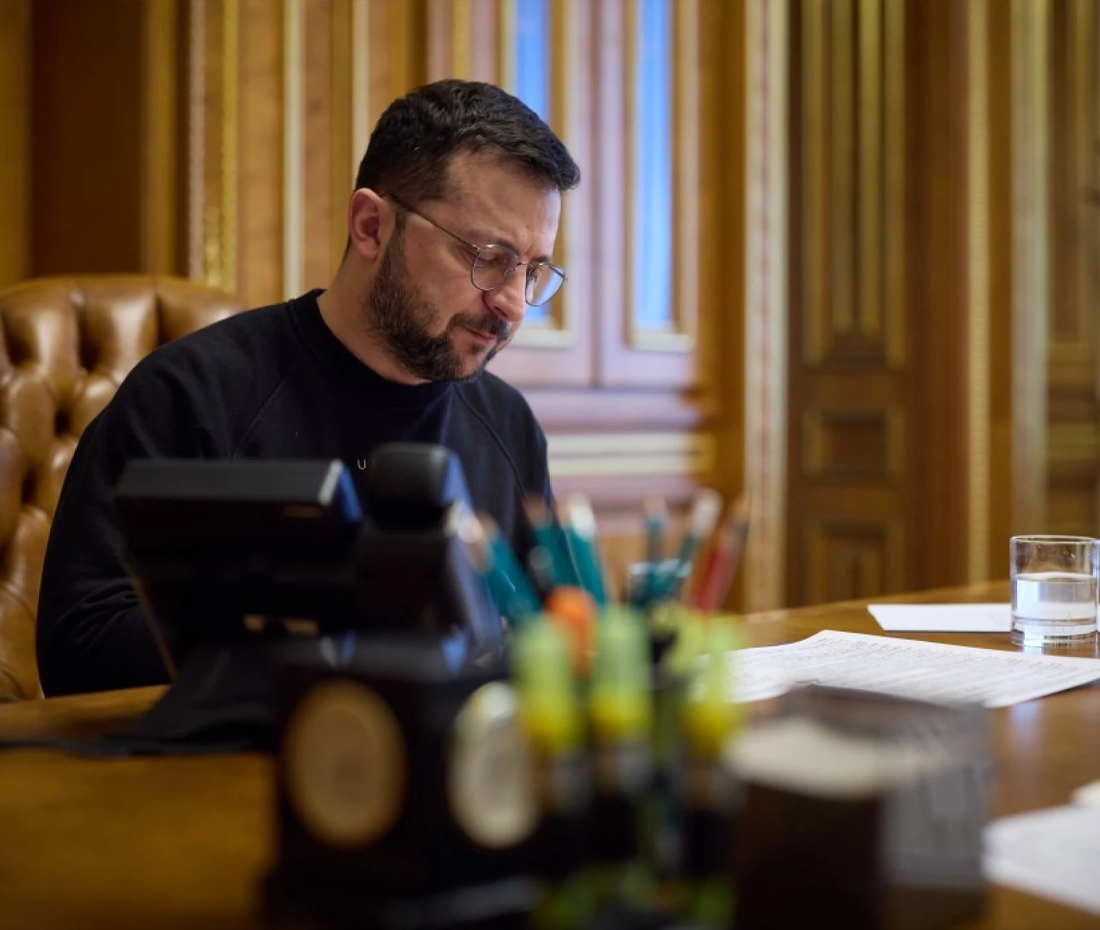

Ukraine has taken significant steps to internalize international criminal law within its domestic legal framework. In 2024, President Volodymyr Zelensky signed into law the ratification statute of the International Criminal Court, paving the way for Ukraine to become a State Party to the ICC. The ratification process is accompanied by implementing legislation designed to incorporate the crimes under the Rome Statute into Ukrainian domestic law, enabling national courts to prosecute such offences directly. However, significant practical challenges remain in executing this authority (e.g., evidentiary constraints, resource limitations, complexities of securing custody of suspects). For this reason, foreign states play a critical complementary role: where structural barriers and resource constraints impede domestic proceedings, other states are legally empowered and, under certain treaty and customary obligations, arguably required to investigate and prosecute suspects, thereby helping to close the accountability gap.
Since the 2022 invasion of Ukraine, more than 20 investigations into alleged war crimes and other serious violations of international law committed on Ukrainian territory have been initiated by national authorities on the basis of universal jurisdiction. For example, in October 2023, the Clooney Foundation for Justice’s Docket initiative, together with the Ukrainian NGO Truth Hounds, filed three criminal complaints before the German Federal Public Prosecutor against high- and mid‑level Russian commanders for alleged war crimes and crimes against humanity committed during the occupation of the Kyiv, Kharkiv, and Odesa regions. The submissions include evidence of indiscriminate missile attacks against civilian objects in Odesa, execution‑style killings and torture in the Kharkiv region, and a broader pattern of executions, sexual violence, and unlawful detention in the Kyiv region. In Poland, an investigation into alleged war crimes committed in Ukraine was initiated in March 2022 on the basis of universal jurisdiction. By early 2023, Polish prosecutors and police officers had interviewed approximately 1,700 witnesses, several hundred of whom provided accounts establishing patterns of war crimes. However, Poland’s ability to translate these investigative efforts into prosecutions remains constrained by structural and procedural limitations, including restrictions on conducting proceedings in absentia.
These cases, as well as the cases documented by Poshuk Polon, illustrate serious and well‑documented violations of international law, including the systematic detention of civilians in “filtration camps” where individuals are tortured, disappeared, or deported. Not only does this conduct very likely satisfy the legal threshold for crimes against humanity under the widespread or systematic attack standard, the denial of prisoner of war (POW) status, the use of torture during interrogations, and the failure to notify families or grant access to the International Committee of the Red Cross constitute violations of the protections afforded under the Geneva Conventions.
The use of universal jurisdiction in these cases serves three critical functions. First, it creates accountability for low- and mid‑level perpetrators who would otherwise evade justice entirely. The camp commander who oversees torture protocols, the interrogator who disappears detainees who “fail” screening, the administrative official who falsifies detention records—these individuals can be identified, evidence against them can be gathered from survivors, and they may eventually travel outside Russia to jurisdictions willing to prosecute. Even though there might be some political costs for the governments to prosecute these crimes, the larger rationale of security and safety against Russian aggression should prevail. For example, a German court recently convicted a Syrian doctor under universal jurisdiction for crimes against humanity, sentencing him for his role in the torture and ill‑treatment of detainees during the country’s conflict. This is illustrative of how domestic courts can hold low- and mid‑level perpetrators to account for international crimes committed abroad when in their territory.
Second, successful universal jurisdiction prosecutions of low- and mid‑level perpetrators establish evidentiary foundations for higher‑level cases. Ukrainian prosecutors and civil society organizations continue to support foreign proceedings by supplying evidentiary materials, facilitating witness cooperation, and assisting with efforts to secure custody of suspects where possible. Testimony from a convicted camp commander about orders received, reporting chains followed, and procedures established can directly support ICC cases against senior leadership or future special tribunal prosecutions. The complementarity between domestic universal jurisdiction prosecutions and international criminal justice is not competitive but mutually reinforcing. In the Netherlands, for instance, the Hague Court of Appeal, in a landmark 2025 decision, upheld and increased to 13 years’ imprisonment the conviction of Mustafa A., a former commander in Syria, for unlawful detention and complicity in torture as crimes against humanity.
Third, universal jurisdiction sends a strong deterrent message. When foreign prosecutors issue arrest warrants for Russian security officials involved in atrocity crimes, when perpetrators face travel restrictions and diplomatic isolation, when family members of accused individuals face visa denials and asset freezes, the costs of participation in atrocity crimes increase dramatically, whether you are a commander or a foot soldier. For conflicts that may last years, deterrence effects accumulate as perpetrators realize their exposure extends beyond the conflict's duration.
Ukraine has taken significant steps to internalize international criminal law within its domestic legal framework. In 2024, President Volodymyr Zelensky signed into law the ratification statute of the International Criminal Court, paving the way for Ukraine to become a State Party to the ICC. The ratification process is accompanied by implementing legislation designed to incorporate the crimes under the Rome Statute into Ukrainian domestic law, enabling national courts to prosecute such offences directly. However, significant practical challenges remain in executing this authority (e.g., evidentiary constraints, resource limitations, complexities of securing custody of suspects). For this reason, foreign states play a critical complementary role: where structural barriers and resource constraints impede domestic proceedings, other states are legally empowered and, under certain treaty and customary obligations, arguably required to investigate and prosecute suspects, thereby helping to close the accountability gap.
Since the 2022 invasion of Ukraine, more than 20 investigations into alleged war crimes and other serious violations of international law committed on Ukrainian territory have been initiated by national authorities on the basis of universal jurisdiction. For example, in October 2023, the Clooney Foundation for Justice’s Docket initiative, together with the Ukrainian NGO Truth Hounds, filed three criminal complaints before the German Federal Public Prosecutor against high- and mid‑level Russian commanders for alleged war crimes and crimes against humanity committed during the occupation of the Kyiv, Kharkiv, and Odesa regions. The submissions include evidence of indiscriminate missile attacks against civilian objects in Odesa, execution‑style killings and torture in the Kharkiv region, and a broader pattern of executions, sexual violence, and unlawful detention in the Kyiv region. In Poland, an investigation into alleged war crimes committed in Ukraine was initiated in March 2022 on the basis of universal jurisdiction. By early 2023, Polish prosecutors and police officers had interviewed approximately 1,700 witnesses, several hundred of whom provided accounts establishing patterns of war crimes. However, Poland’s ability to translate these investigative efforts into prosecutions remains constrained by structural and procedural limitations, including restrictions on conducting proceedings in absentia.
These cases, as well as the cases documented by Poshuk Polon, illustrate serious and well‑documented violations of international law, including the systematic detention of civilians in “filtration camps” where individuals are tortured, disappeared, or deported. Not only does this conduct very likely satisfy the legal threshold for crimes against humanity under the widespread or systematic attack standard, the denial of prisoner of war (POW) status, the use of torture during interrogations, and the failure to notify families or grant access to the International Committee of the Red Cross constitute violations of the protections afforded under the Geneva Conventions.
The use of universal jurisdiction in these cases serves three critical functions. First, it creates accountability for low- and mid‑level perpetrators who would otherwise evade justice entirely. The camp commander who oversees torture protocols, the interrogator who disappears detainees who “fail” screening, the administrative official who falsifies detention records—these individuals can be identified, evidence against them can be gathered from survivors, and they may eventually travel outside Russia to jurisdictions willing to prosecute. Even though there might be some political costs for the governments to prosecute these crimes, the larger rationale of security and safety against Russian aggression should prevail. For example, a German court recently convicted a Syrian doctor under universal jurisdiction for crimes against humanity, sentencing him for his role in the torture and ill‑treatment of detainees during the country’s conflict. This is illustrative of how domestic courts can hold low- and mid‑level perpetrators to account for international crimes committed abroad when in their territory.
Second, successful universal jurisdiction prosecutions of low- and mid‑level perpetrators establish evidentiary foundations for higher‑level cases. Ukrainian prosecutors and civil society organizations continue to support foreign proceedings by supplying evidentiary materials, facilitating witness cooperation, and assisting with efforts to secure custody of suspects where possible. Testimony from a convicted camp commander about orders received, reporting chains followed, and procedures established can directly support ICC cases against senior leadership or future special tribunal prosecutions. The complementarity between domestic universal jurisdiction prosecutions and international criminal justice is not competitive but mutually reinforcing. In the Netherlands, for instance, the Hague Court of Appeal, in a landmark 2025 decision, upheld and increased to 13 years’ imprisonment the conviction of Mustafa A., a former commander in Syria, for unlawful detention and complicity in torture as crimes against humanity.
Third, universal jurisdiction sends a strong deterrent message. When foreign prosecutors issue arrest warrants for Russian security officials involved in atrocity crimes, when perpetrators face travel restrictions and diplomatic isolation, when family members of accused individuals face visa denials and asset freezes, the costs of participation in atrocity crimes increase dramatically, whether you are a commander or a foot soldier. For conflicts that may last years, deterrence effects accumulate as perpetrators realize their exposure extends beyond the conflict's duration.
The normative system of international criminal law is well established, and many states have already incorporated core international crimes into their national legal systems with universal jurisdiction provisions expressly authorizing investigations and prosecution, even absent a territorial or nationality nexus. States should take immediate specific actions to translate legal obligations into investigations and prosecutions in the following ways:
The normative system of international criminal law is well established, and many states have already incorporated core international crimes into their national legal systems with universal jurisdiction provisions expressly authorizing investigations and prosecution, even absent a territorial or nationality nexus. States should take immediate specific actions to translate legal obligations into investigations and prosecutions in the following ways:
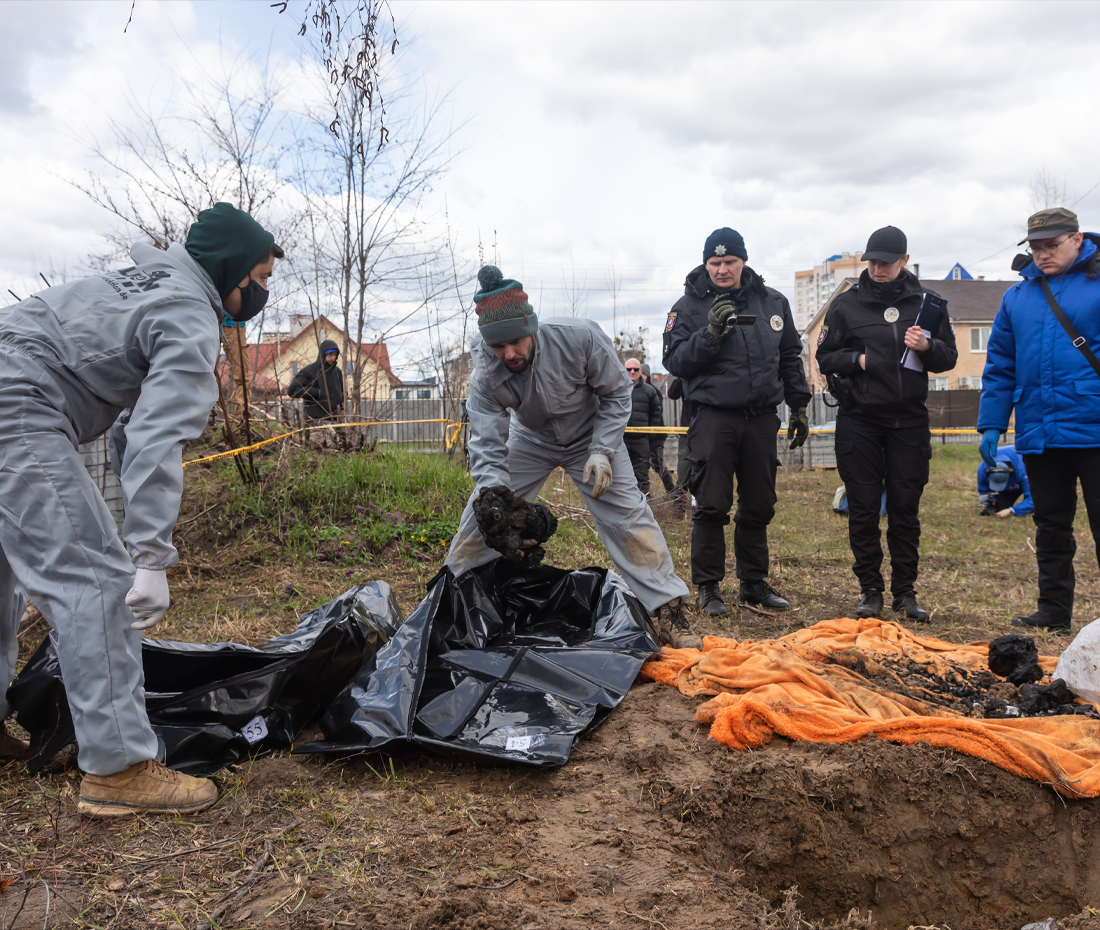
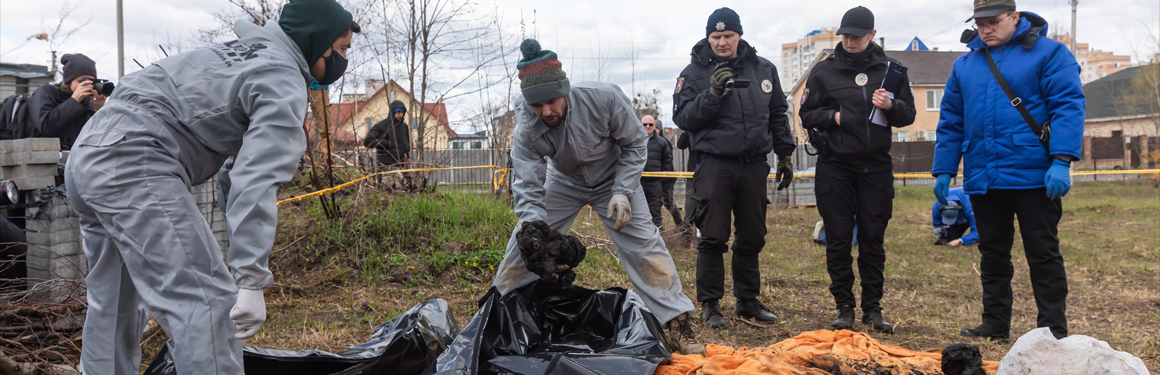
The scale and gravity of Russian violations against Ukrainian civilians and POWs compel states not only to honor their existing universal jurisdiction obligations, but also to deploy those mechanisms more proactively in response to escalating and well documented breaches of international law.
The scale and gravity of Russian violations against Ukrainian civilians and POWs compel states not only to honor their existing universal jurisdiction obligations, but also to deploy those mechanisms more proactively in response to escalating and well documented breaches of international law.
The legal systems for universal jurisdiction prosecutions are established and operational. Civil society documentation efforts have generated substantial evidentiary data and materials, survivor populations also remain accessible for testimony, and existing coordination mechanisms allow for cross‑border cooperation.
The important factor in the effectiveness of these mechanisms is whether states exercise prosecutorial discretion with sustained political will, translating formal jurisdictional authority into consistent accountability efforts. Where states decline to initiate proceedings despite possessing jurisdictional authority, documented evidence, and identified perpetrators, the accountability gap for low- and mid‑level offenders persists undermining both the deterrent function of international criminal law and the complementarity structure designed to support higher‑level prosecutions.
The legal systems for universal jurisdiction prosecutions are established and operational. Civil society documentation efforts have generated substantial evidentiary data and materials, survivor populations also remain accessible for testimony, and existing coordination mechanisms allow for cross‑border cooperation.
The important factor in the effectiveness of these mechanisms is whether states exercise prosecutorial discretion with sustained political will, translating formal jurisdictional authority into consistent accountability efforts. Where states decline to initiate proceedings despite possessing jurisdictional authority, documented evidence, and identified perpetrators, the accountability gap for low- and mid‑level offenders persists undermining both the deterrent function of international criminal law and the complementarity structure designed to support higher‑level prosecutions.
Updates for 2024–2025
By Free Russia Foundation
October 08, 2025
 Report
 A Systematic Tool of Repression
By Free Russia Foundation
December 10, 2025
 Report
 By Free Russia Foundation
December 19, 2025
Updates for 2024–2025
By Free Russia Foundation
October 08, 2025
Report A Systematic Tool of Repression
By Free Russia Foundation
December 10, 2025
Report By Free Russia Foundation
December 19, 2025