
Politics
What Russia of the Future Should Learn from Asian Democracies
By Alexandra Garmazhapova January 12, 2026



By Alexandra Garmazhapova January 12, 2026
Russia’s future democratic transition will require more than a return to European models. As a post‑imperial, multi‑ethnic state spanning Europe and Asia, Russia faces structural challenges—territorial scale, ethnic diversity, imperial legacies, and militarized political culture—that closely resemble those confronted by several Asian democracies in the twentieth century.
Millions of Russian citizens—including Buryats, Kalmyks, Sakha (Yakuts), Tuvans and Indigenous peoples of Siberia and the Far East—have historical, cultural, and political ties to Asia that are often erased from discussions of Russia’s future. Yet debates about Russia’s future continue to overlook these experiences.
This paper argues that Japan and South Korea offer highly relevant lessons for Russia’s post‑authoritarian renewal that require adaptation rather than replication. Both countries emerged from war, dictatorship, and international isolation to become prosperous, democratic, and globally respected states. They did so not by abandoning their identities, but by combining moral reckoning, institutional design, economic discipline, and strategic restraint.
Japan’s postwar experience demonstrates how renouncing aggressive militarism and relying on external security guarantees can free political and fiscal space for reconstruction, institutional reform, and long‑term economic growth. South Korea’s trajectory shows the power of bottom‑up democratization, in which sustained civic mobilization, protest, and accountability mechanisms forced authoritarian elites to concede meaningful political change. Together, these cases illustrate two complementary paths to democratic legitimacy.
The paper identifies several core lessons:
Russia’s future democratic transition will require more than a return to European models. As a post‑imperial, multi‑ethnic state spanning Europe and Asia, Russia faces structural challenges—territorial scale, ethnic diversity, imperial legacies, and militarized political culture—that closely resemble those confronted by several Asian democracies in the twentieth century.
Millions of Russian citizens—including Buryats, Kalmyks, Sakha (Yakuts), Tuvans and Indigenous peoples of Siberia and the Far East—have historical, cultural, and political ties to Asia that are often erased from discussions of Russia’s future. Yet debates about Russia’s future continue to overlook these experiences.
This paper argues that Japan and South Korea offer highly relevant lessons for Russia’s post‑authoritarian renewal that require adaptation rather than replication. Both countries emerged from war, dictatorship, and international isolation to become prosperous, democratic, and globally respected states. They did so not by abandoning their identities, but by combining moral reckoning, institutional design, economic discipline, and strategic restraint.
Japan’s postwar experience demonstrates how renouncing aggressive militarism and relying on external security guarantees can free political and fiscal space for reconstruction, institutional reform, and long‑term economic growth. South Korea’s trajectory shows the power of bottom‑up democratization, in which sustained civic mobilization, protest, and accountability mechanisms forced authoritarian elites to concede meaningful political change. Together, these cases illustrate two complementary paths to democratic legitimacy.
The paper identifies several core lessons:
Drawing on these lessons, the paper outlines practical steps for a post‑imperial Russia, including: embracing genuine federalism; capping defense spending during transition; establishing an independent truth commission; designing judicial independence through enforceable mechanisms; disciplining state support to reward performance and exports; reforming campaign finance; and investing in human capital and cultural production.
The central conclusion is clear: renewal is possible, but only under peace. Japan and South Korea did not achieve democratic legitimacy through imitation or slogans, but through selective adaptation, enforcement, and sustained institutional effort. A future Russia does need not to resolve its identity by choosing between Europe and Asia.
By learning from both, it can build a democracy grounded in law, powered by talent, and respected for what it creates rather than feared for what it destroys.
Drawing on these lessons, the paper outlines practical steps for a post‑imperial Russia, including: embracing genuine federalism; capping defense spending during transition; establishing an independent truth commission; designing judicial independence through enforceable mechanisms; disciplining state support to reward performance and exports; reforming campaign finance; and investing in human capital and cultural production.
The central conclusion is clear: renewal is possible, but only under peace. Japan and South Korea did not achieve democratic legitimacy through imitation or slogans, but through selective adaptation, enforcement, and sustained institutional effort. A future Russia does need not to resolve its identity by choosing between Europe and Asia.
By learning from both, it can build a democracy grounded in law, powered by talent, and respected for what it creates rather than feared for what it destroys.
Russia is not a mono‑ethnic project. Yet most debates about its democratic future continue to treat it as one—looking almost exclusively to Europe for models while ignoring the Asian histories, identities, and democratic experiences that are already part of Russia itself. Russia spans Europe and Asia and is home to dozens of Asian peoples—Buryats, Kalmyks, Tuvans, Sakha, Koryaks, Nivkh people, Nanai people, Chukchi people, Udege people, Soyots, Selkups, Itelmens, and others—whose histories and futures are deeply tied to the wider Asian world.
Russia’s political debates too often default to a narrow European self‑image. This erases millions of citizens with Asian roots and blinds Russia to lessons from neighbors that confronted—and solved—problems similar to its own. Reframing Russia as a Eurasian democracy‑in-waiting is not symbolism; it is a practical and necessary policy lens.
This paper argues that Russia’s post‑authoritarian transition will succeed only if it abandons imperial nostalgia and learns not only from European experience but also from Asian democracies that rebuilt legitimacy, institutions, and regional trust after war and dictatorship. Fully recognizing Russia’s Asian identities is not only a matter of dignity and inclusion; it also opens practical lessons from Asia’s leading democracies—Japan and South Korea—on how a post‑imperial Russia can reconcile with its societies and neighbors and compete on quality rather than conquest.
Democracies emerge through different paths. Japan built its system from the top down; South Korea fought for it from the bottom up. Yet both achieved the same essential outcome: citizens gained the real power to choose their leaders in free and fair elections.
Some opposition rhetoric—echoed by the Kremlin—still uses the pejorative term Asiatchina—a holdover from imperial hierarchies that marginalize Russia’s own Asian peoples. This paper rejects that ostracizing framing. Instead, it treats Russia’s diverse Asian identities as an asset for resilience and reconciliation at home and as a foundation for broader cooperation abroad.
Russia is not a mono‑ethnic project. Yet most debates about its democratic future continue to treat it as one—looking almost exclusively to Europe for models while ignoring the Asian histories, identities, and democratic experiences that are already part of Russia itself. Russia spans Europe and Asia and is home to dozens of Asian peoples—Buryats, Kalmyks, Tuvans, Sakha, Koryaks, Nivkh people, Nanai people, Chukchi people, Udege people, Soyots, Selkups, Itelmens, and others—whose histories and futures are deeply tied to the wider Asian world.
Russia’s political debates too often default to a narrow European self‑image. This erases millions of citizens with Asian roots and blinds Russia to lessons from neighbors that confronted—and solved—problems similar to its own. Reframing Russia as a Eurasian democracy‑in-waiting is not symbolism; it is a practical and necessary policy lens.
This paper argues that Russia’s post‑authoritarian transition will succeed only if it abandons imperial nostalgia and learns not only from European experience but also from Asian democracies that rebuilt legitimacy, institutions, and regional trust after war and dictatorship. Fully recognizing Russia’s Asian identities is not only a matter of dignity and inclusion; it also opens practical lessons from Asia’s leading democracies—Japan and South Korea—on how a post‑imperial Russia can reconcile with its societies and neighbors and compete on quality rather than conquest.
Democracies emerge through different paths. Japan built its system from the top down; South Korea fought for it from the bottom up. Yet both achieved the same essential outcome: citizens gained the real power to choose their leaders in free and fair elections.
Some opposition rhetoric—echoed by the Kremlin—still uses the pejorative term Asiatchina—a holdover from imperial hierarchies that marginalize Russia’s own Asian peoples. This paper rejects that ostracizing framing. Instead, it treats Russia’s diverse Asian identities as an asset for resilience and reconciliation at home and as a foundation for broader cooperation abroad.
Some of the most successful transitions from dictatorship to democracy in modern history did not happen only in Europe, but also in Asia. Japan and South Korea emerged from war and occupation not simply by confronting their pasts, but by imagining something radically new—societies that valued discipline, innovation, and civic dignity over conquest and nostalgia. Their story is not only one of accountability; it is one of renewal—of learning to build forward without erasing history.
If Russia can learn this lesson, it may yet find a democratic path organically rooted from within.
Some of the most successful transitions from dictatorship to democracy in modern history did not happen only in Europe, but also in Asia. Japan and South Korea emerged from war and occupation not simply by confronting their pasts, but by imagining something radically new—societies that valued discipline, innovation, and civic dignity over conquest and nostalgia. Their story is not only one of accountability; it is one of renewal—of learning to build forward without erasing history.
If Russia can learn this lesson, it may yet find a democratic path organically rooted from within.
Furthermore, it will be pragmatic and shrewd for Russian reformers to anticipate that Asian democracies have been and will be a permanent focus of engagement for the U.S., and Europe will likely follow. As Ruth Deyermond, a senior lecturer in the Department of War Studies, King's College London and an expert on Russian and United States foreign and security policy, recently wrote on X:
Furthermore, it will be pragmatic and shrewd for Russian reformers to anticipate that Asian democracies have been and will be a permanent focus of engagement for the U.S., and Europe will likely follow. As Ruth Deyermond, a senior lecturer in the Department of War Studies, King's College London and an expert on Russian and United States foreign and security policy, recently wrote on X:
“The US may realize its mistake on Europe, but the focus on Asia won’t change. So even if a future administration moves to repair the relationship (which seems likely), it won’t devote the resources or attention needed to restore it fully.”
“The US may realize its mistake on Europe, but the focus on Asia won’t change. So even if a future administration moves to repair the relationship (which seems likely), it won’t devote the resources or attention needed to restore it fully.”
Former State Duma deputy Irina Khakamada once noted that her father, Mutsuo Khakamada—a Japanese communist who fled to the Soviet Union—began questioning his ideological certainties late in life. He wondered why people in the USSR lived so poorly while “in Japan there is nothing but progress,” and how such a contrast could be squared with Marxist‑Leninist theory.
His questions continue to resonate because Russia, under Putin, has still been unable to raise the prosperity of its entire society despite massive natural resource wealth and human capital.
From Japan and South Korea, there are several core lessons a future Russia should consider:
Former State Duma deputy Irina Khakamada once noted that her father, Mutsuo Khakamada—a Japanese communist who fled to the Soviet Union—began questioning his ideological certainties late in life. He wondered why people in the USSR lived so poorly while “in Japan there is nothing but progress,” and how such a contrast could be squared with Marxist‑Leninist theory.
His questions continue to resonate because Russia, under Putin, has still been unable to raise the prosperity of its entire society despite massive natural resource wealth and human capital.
From Japan and South Korea, there are several core lessons a future Russia should consider:
The methodology of this paper, in addition to the literature reviewed, relied on expert interviews, for which I would like to thank:
The methodology of this paper, in addition to the literature reviewed, relied on expert interviews, for which I would like to thank:
Japan and South Korea traveled a long and challenging road—from a defeated empire and an occupied colony to two of the world’s most respected and prosperous democracies. Contemporary Russia remains an empire that threatens its neighbors and treats them as colonial subordinates.
Yet both Asian democracies show that countries can rebuild their legitimacy not through military power, propaganda, and repression, but through a clear vision of their democratic trajectory and role in the world, through independent institutions, economic competence, civic engagement, and respect for human dignity.
Positive global recognition is earned through achievements in economics, science, and culture—not through aggressive military operations or disinformation campaigns.
This paper examines several key factors that shaped Japan and South Korea’s democratic development and that offer concrete lessons for Russia’s post‑authoritarian transition:
Japan and South Korea traveled a long and challenging road—from a defeated empire and an occupied colony to two of the world’s most respected and prosperous democracies. Contemporary Russia remains an empire that threatens its neighbors and treats them as colonial subordinates.
Yet both Asian democracies show that countries can rebuild their legitimacy not through military power, propaganda, and repression, but through a clear vision of their democratic trajectory and role in the world, through independent institutions, economic competence, civic engagement, and respect for human dignity.
Positive global recognition is earned through achievements in economics, science, and culture—not through aggressive military operations or disinformation campaigns.
This paper examines several key factors that shaped Japan and South Korea’s democratic development and that offer concrete lessons for Russia’s post‑authoritarian transition:
On August 15, 1945, Emperor Hirohito made his first radio address to announce Japan’s surrender, days after the atomic bombings of Hiroshima and Nagasaki. The country then entered a period of Allied occupation during which it adopted a new constitution, modeled in part on the U.S. Constitution, and renounced the right to wage war.
Article 9 of the Constitution of Japan states:
On August 15, 1945, Emperor Hirohito made his first radio address to announce Japan’s surrender, days after the atomic bombings of Hiroshima and Nagasaki. The country then entered a period of Allied occupation during which it adopted a new constitution, modeled in part on the U.S. Constitution, and renounced the right to wage war.
Article 9 of the Constitution of Japan states:
“Aspiring sincerely to an international peace based on justice and order, the Japanese people forever renounce war as a sovereign right of the nation and the threat or use of force as a means of settling international disputes. In order to accomplish the aim of the preceding paragraph, land, sea, and air forces, as well as other war potential, will never be maintained. The right of belligerency of the state will not be recognized.”
“Aspiring sincerely to an international peace based on justice and order, the Japanese people forever renounce war as a sovereign right of the nation and the threat or use of force as a means of settling international disputes. In order to accomplish the aim of the preceding paragraph, land, sea, and air forces, as well as other war potential, will never be maintained. The right of belligerency of the state will not be recognized.”
Hirohito was not prosecuted during the Tokyo Trials; occupation authorities believed his symbolic authority could help unify a fractured society. They also worked around existing Japanese traditions, including the Shinto conception of the emperor’s sacred role.
The United States placed Japan under its security umbrella, allowing Tokyo to redirect its resources toward reconstruction and long‑term economic growth. American planners sought to prevent the emergence of revanchist sentiment by relieving Japan of its military burdens—drawing lessons from post–World War I Germany. For decades, Japan spent less than 1% of its GDP on defense, relying largely on the United States for protection.
As former Japanese Foreign and Defense Minister Taro Kono noted:
Hirohito was not prosecuted during the Tokyo Trials; occupation authorities believed his symbolic authority could help unify a fractured society. They also worked around existing Japanese traditions, including the Shinto conception of the emperor’s sacred role.
The United States placed Japan under its security umbrella, allowing Tokyo to redirect its resources toward reconstruction and long‑term economic growth. American planners sought to prevent the emergence of revanchist sentiment by relieving Japan of its military burdens—drawing lessons from post–World War I Germany. For decades, Japan spent less than 1% of its GDP on defense, relying largely on the United States for protection.
As former Japanese Foreign and Defense Minister Taro Kono noted:
“Since World War II, Japan has never been involved in war. Peace and stability are our basis. Japan and the United States have a Security Treaty. The Japanese government in the past tried to limit the size of the defense budget at less than 1% of GDP. We didn’t spend much money on defense or the military. We were able to direct our resources to the economy.”
“Since World War II, Japan has never been involved in war. Peace and stability are our basis. Japan and the United States have a Security Treaty. The Japanese government in the past tried to limit the size of the defense budget at less than 1% of GDP. We didn’t spend much money on defense or the military. We were able to direct our resources to the economy.”
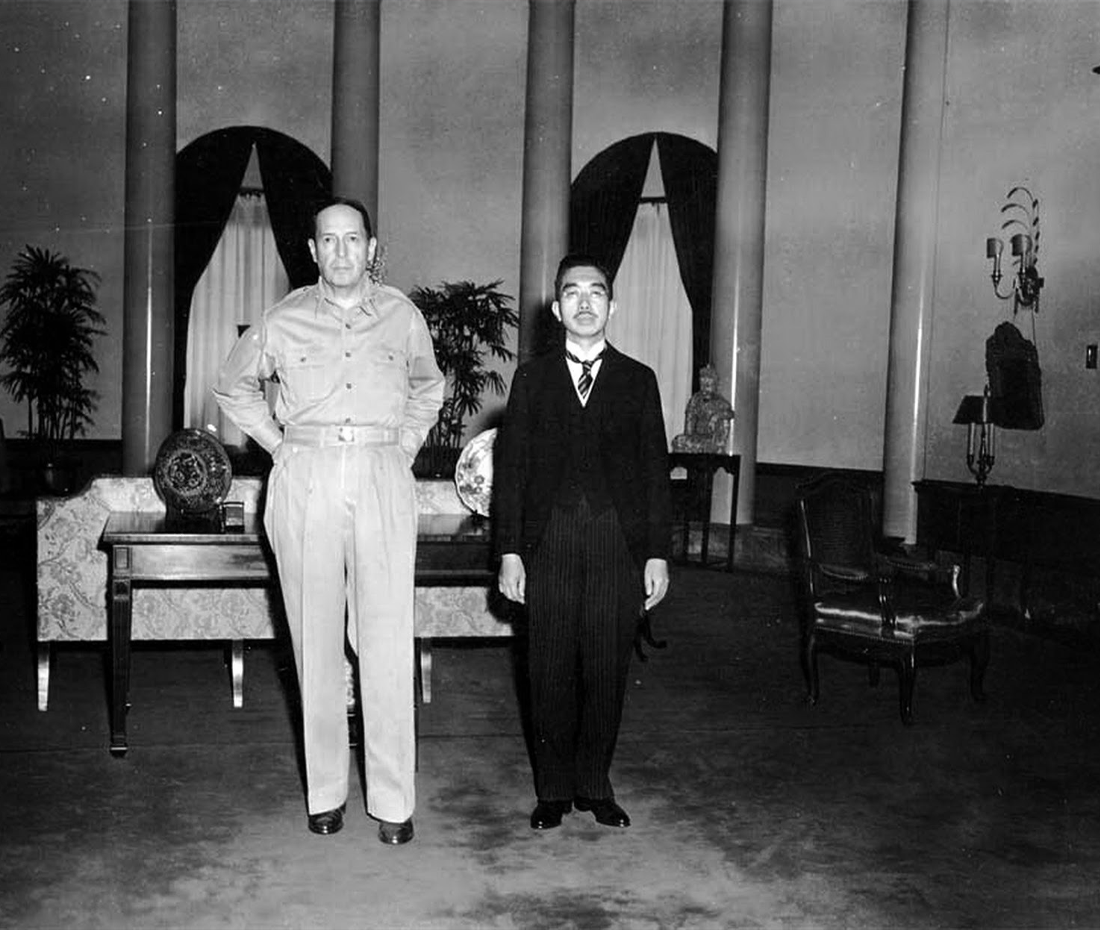
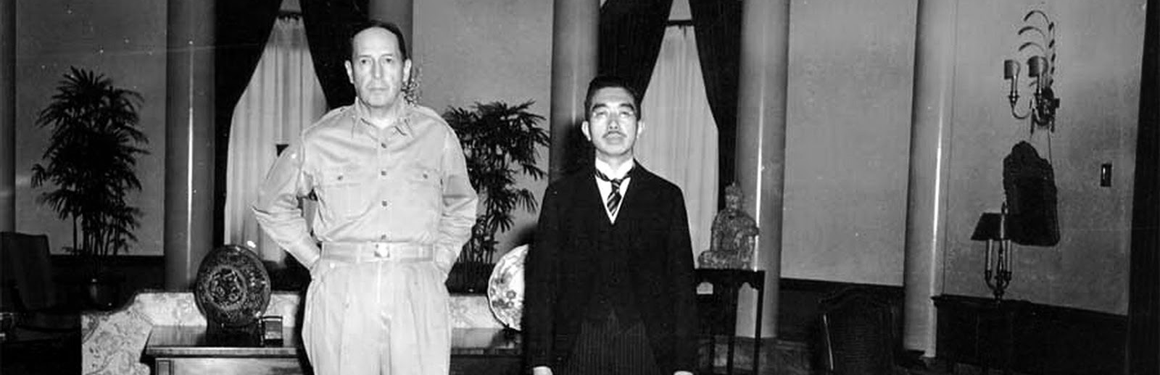
Even before the war, Japan possessed a relatively well‑educated population and notable technological capacity. But militarization distorted the economy and limited peacetime innovation. After the war, reconstruction needs and a procurement boom driven by the Korean War (1950–1953) gave Japan a powerful economic boost. As a key U.S. ally, Japan supplied technology and materials to South Korea’s defense sector, fueling early growth.
Additional factors contributed to Japan’s postwar rise:
Even before the war, Japan possessed a relatively well‑educated population and notable technological capacity. But militarization distorted the economy and limited peacetime innovation. After the war, reconstruction needs and a procurement boom driven by the Korean War (1950–1953) gave Japan a powerful economic boost. As a key U.S. ally, Japan supplied technology and materials to South Korea’s defense sector, fueling early growth.
Additional factors contributed to Japan’s postwar rise:
As Chalmers Johnson documented in MITI and the Japanese Miracle, the Ministry of International Trade and Industry (MITI) played a central role in identifying industries of strategic value—automobiles, electronics, steel—and directing subsidies and protections to nurture them into global competitors. Even firms lacking initial market competitiveness received state support if they served long‑term national goals.
Japan’s developmental bureaucracy formed deep ties with the ruling Liberal Democratic Party (LDP) and major firms. Through the practice of amakudari, retired senior officials often assumed leadership roles in key industries. This created an elite circulation system—between government ministries, the LDP, and industrial conglomerates—that coordinated strategy across the public and private sectors. As Dan Slater and Joseph Wong note in From Development to Democracy, this alliance was one of the defining features of Japan’s developmental state.
Cultural factors also played a role. Japanese social ethics, influenced by the Buddhist concept of pratītyasamutpāda (the interdependence of all things), reinforced norms of collective responsibility and disciplined work.
By 1955, Japan’s labor productivity had returned to prewar levels. Between 1955 and 1965, economic growth averaged more than 9% annually. Export‑oriented industrialization transformed Japan into a global manufacturing power. In 1965, Japan recorded both a trade surplus and a positive balance of payments—an extraordinary reversal from its postwar collapse.
Taro Kono summarized this trajectory:
As Chalmers Johnson documented in MITI and the Japanese Miracle, the Ministry of International Trade and Industry (MITI) played a central role in identifying industries of strategic value—automobiles, electronics, steel—and directing subsidies and protections to nurture them into global competitors. Even firms lacking initial market competitiveness received state support if they served long‑term national goals.
Japan’s developmental bureaucracy formed deep ties with the ruling Liberal Democratic Party (LDP) and major firms. Through the practice of amakudari, retired senior officials often assumed leadership roles in key industries. This created an elite circulation system—between government ministries, the LDP, and industrial conglomerates—that coordinated strategy across the public and private sectors. As Dan Slater and Joseph Wong note in From Development to Democracy, this alliance was one of the defining features of Japan’s developmental state.
Cultural factors also played a role. Japanese social ethics, influenced by the Buddhist concept of pratītyasamutpāda (the interdependence of all things), reinforced norms of collective responsibility and disciplined work.
By 1955, Japan’s labor productivity had returned to prewar levels. Between 1955 and 1965, economic growth averaged more than 9% annually. Export‑oriented industrialization transformed Japan into a global manufacturing power. In 1965, Japan recorded both a trade surplus and a positive balance of payments—an extraordinary reversal from its postwar collapse.
Taro Kono summarized this trajectory:
“Back in the 1960–1970s, the cost of production in Japan was cheaper than in Europe and the United States. Europe and the U.S. opened their markets to exports. Companies like Toyota, Sony, Canon, Honda, and Nissan achieved great export success in the U.S. market and then European markets. They later invested in Asia to expand production capacity.”
“Back in the 1960–1970s, the cost of production in Japan was cheaper than in Europe and the United States. Europe and the U.S. opened their markets to exports. Companies like Toyota, Sony, Canon, Honda, and Nissan achieved great export success in the U.S. market and then European markets. They later invested in Asia to expand production capacity.”
Between 1965 and 1970, Japan’s economy grew an average of 10% per year. Over fifteen years, labor productivity rose 3.7‑fold and real GDP 4.9‑fold. Total factor productivity (TFP) growth was the largest contributor to productivity gains, followed by rapid capital deepening.
However, as former Deputy Minister of Energy of Russia, and Vice President of Free Russia Foundation, Vladimir Milov, and other analysts note, Japan’s state‑led industrial policy eventually became a drag on innovation. By the 1990s, rigid structures, demographic decline, and financial‑sector weaknesses contributed to Japan’s “lost decades,” pushing policymakers toward greater openness in trade and investment. Despite challenges, Japanese firms—Sony, Panasonic, Toshiba, Canon, Toyota, Honda, Nissan, and Uniqlo—remain global leaders known for quality and reliability.
Japan’s postwar success contrasted sharply with the Soviet Union and later Putin’s Russia, where “protected” domestic industries—shielded from competition and innovation discipline—suffered from stagnation, monopolism, and corruption. Whereas Japan’s export‑driven model created incentives for quality, Russia’s inward‑looking model rewarded political loyalty and market isolation.
Economic stagnation in Japan forced policy adjustments toward global economic integration. While protectionist elements linger (notably in agriculture), Japan today is one of the strongest defenders of free trade—even as global norms around openness come under strain.
Between 1965 and 1970, Japan’s economy grew an average of 10% per year. Over fifteen years, labor productivity rose 3.7‑fold and real GDP 4.9‑fold. Total factor productivity (TFP) growth was the largest contributor to productivity gains, followed by rapid capital deepening.
However, as former Deputy Minister of Energy of Russia, and Vice President of Free Russia Foundation, Vladimir Milov, and other analysts note, Japan’s state‑led industrial policy eventually became a drag on innovation. By the 1990s, rigid structures, demographic decline, and financial‑sector weaknesses contributed to Japan’s “lost decades,” pushing policymakers toward greater openness in trade and investment. Despite challenges, Japanese firms—Sony, Panasonic, Toshiba, Canon, Toyota, Honda, Nissan, and Uniqlo—remain global leaders known for quality and reliability.
Japan’s postwar success contrasted sharply with the Soviet Union and later Putin’s Russia, where “protected” domestic industries—shielded from competition and innovation discipline—suffered from stagnation, monopolism, and corruption. Whereas Japan’s export‑driven model created incentives for quality, Russia’s inward‑looking model rewarded political loyalty and market isolation.
Economic stagnation in Japan forced policy adjustments toward global economic integration. While protectionist elements linger (notably in agriculture), Japan today is one of the strongest defenders of free trade—even as global norms around openness come under strain.
Meanwhile, “Putin’s Russia finds itself rolling downhill again on the slippery slope of protectionism and government‑sponsored, inefficient and corrupt import substitution,” Milov warns.
Meanwhile, “Putin’s Russia finds itself rolling downhill again on the slippery slope of protectionism and government‑sponsored, inefficient and corrupt import substitution,” Milov warns.
Despite its challenges, Japan continues to attract investment and tourism. In 2024, Japan welcomed more than 37 million visitors—a record.
Despite its challenges, Japan continues to attract investment and tourism. In 2024, Japan welcomed more than 37 million visitors—a record.
Japan is a unitary democratic state and a parliamentary constitutional monarchy. The emperor serves as the symbolic head of state, while the prime minister leads the government. Japan’s modern political system was heavily shaped by U.S. occupation forces after World War II, which introduced a separation of powers and helped revive democratic norms: freedom of speech, religion, and the press; and respect for basic human rights.
Crucially, the Americans did not try to erase Japan’s traditions. Reforms were blended with existing cultural frameworks, creating what some scholars describe as a dual political culture—Western institutions layered onto a Confucian‑Buddhist-Shinto moral foundation. This hybrid system has proven durable, though not without imperfections.
Japan’s conservative social norms, particularly the importance placed on “not losing face,” combined with a strong media environment, have helped maintain accountability. Investigative reporting has repeatedly forced authorities to address scandals and abuses.
One prominent example came after the 2022 assassination of former Prime Minister Shinzo Abe. The attacker claimed anger over Abe’s ties to the Unification Church, which he blamed for bankrupting his family. Media scrutiny triggered a national investigation that revealed deep entanglements between the Church and individuals within the ruling LDP. Four ministers resigned. An internal LDP inquiry found that 179 of 379 lawmakers had interacted with the organization.
In response, Japan’s lower house passed legislation criminalizing “malicious” donation practices by religious and similar organizations.
Japan’s political system also faces vulnerabilities. Campaign finance practices often favor the dominant LDP, enabling close ties between politicians and major commercial interests. Yet Japan’s courts remain a crucial check on power. Judicial independence is supported by reforms such as the post‑2001 system allowing the Japan Federation of Bar Associations to recommend candidates for judgeships. After committee review, the Supreme Court makes appointments, creating a more balanced selection process.
Japan is a unitary democratic state and a parliamentary constitutional monarchy. The emperor serves as the symbolic head of state, while the prime minister leads the government. Japan’s modern political system was heavily shaped by U.S. occupation forces after World War II, which introduced a separation of powers and helped revive democratic norms: freedom of speech, religion, and the press; and respect for basic human rights.
Crucially, the Americans did not try to erase Japan’s traditions. Reforms were blended with existing cultural frameworks, creating what some scholars describe as a dual political culture—Western institutions layered onto a Confucian‑Buddhist-Shinto moral foundation. This hybrid system has proven durable, though not without imperfections.
Japan’s conservative social norms, particularly the importance placed on “not losing face,” combined with a strong media environment, have helped maintain accountability. Investigative reporting has repeatedly forced authorities to address scandals and abuses.
One prominent example came after the 2022 assassination of former Prime Minister Shinzo Abe. The attacker claimed anger over Abe’s ties to the Unification Church, which he blamed for bankrupting his family. Media scrutiny triggered a national investigation that revealed deep entanglements between the Church and individuals within the ruling LDP. Four ministers resigned. An internal LDP inquiry found that 179 of 379 lawmakers had interacted with the organization.
In response, Japan’s lower house passed legislation criminalizing “malicious” donation practices by religious and similar organizations.
Japan’s political system also faces vulnerabilities. Campaign finance practices often favor the dominant LDP, enabling close ties between politicians and major commercial interests. Yet Japan’s courts remain a crucial check on power. Judicial independence is supported by reforms such as the post‑2001 system allowing the Japan Federation of Bar Associations to recommend candidates for judgeships. After committee review, the Supreme Court makes appointments, creating a more balanced selection process.
Japan’s democratic journey is far from flawless. For a future Russia seeking to shed its imperial legacy, the unresolved elements of Japan’s wartime past offer an essential warning: without consistent, public, and institutional truth‑telling, historical memory will continue to obstruct reconciliation, diplomacy, and regional trust.
A striking example came in 2018, when Jimin of the globally popular Korean band BTS appeared in public wearing a T‑shirt depicting the atomic bombing of Japan alongside a slogan celebrating Korea’s independence. The backlash was swift and emotionally charged. Such cultural flashpoints show how unresolved historical trauma can resurface across generations and in popular culture—complicating even sincere diplomatic resets.
The lesson for Russia is clear: reconciliation mechanisms must be specific, transparent, insulated from electoral cycles, and recognized and accepted by society.
Japan sought to normalize relations with South Korea through the 1965 Treaty on Basic Relations, which included major financial transfers:
Japan’s democratic journey is far from flawless. For a future Russia seeking to shed its imperial legacy, the unresolved elements of Japan’s wartime past offer an essential warning: without consistent, public, and institutional truth‑telling, historical memory will continue to obstruct reconciliation, diplomacy, and regional trust.
A striking example came in 2018, when Jimin of the globally popular Korean band BTS appeared in public wearing a T‑shirt depicting the atomic bombing of Japan alongside a slogan celebrating Korea’s independence. The backlash was swift and emotionally charged. Such cultural flashpoints show how unresolved historical trauma can resurface across generations and in popular culture—complicating even sincere diplomatic resets.
The lesson for Russia is clear: reconciliation mechanisms must be specific, transparent, insulated from electoral cycles, and recognized and accepted by society.
Japan sought to normalize relations with South Korea through the 1965 Treaty on Basic Relations, which included major financial transfers:
“To the Republic of Korea, Japan shall:
Supply the products of Japan and the services of the Japanese people, the total value of which shall be equivalent to three hundred million United States dollars ($300,000,000) … in grants [on a non‑repayable basis] within ten years from the date of entry into force of the present Agreement.”
“To the Republic of Korea, Japan shall:
Supply the products of Japan and the services of the Japanese people, the total value of which shall be equivalent to three hundred million United States dollars ($300,000,000) … in grants [on a non‑repayable basis] within ten years from the date of entry into force of the present Agreement.”
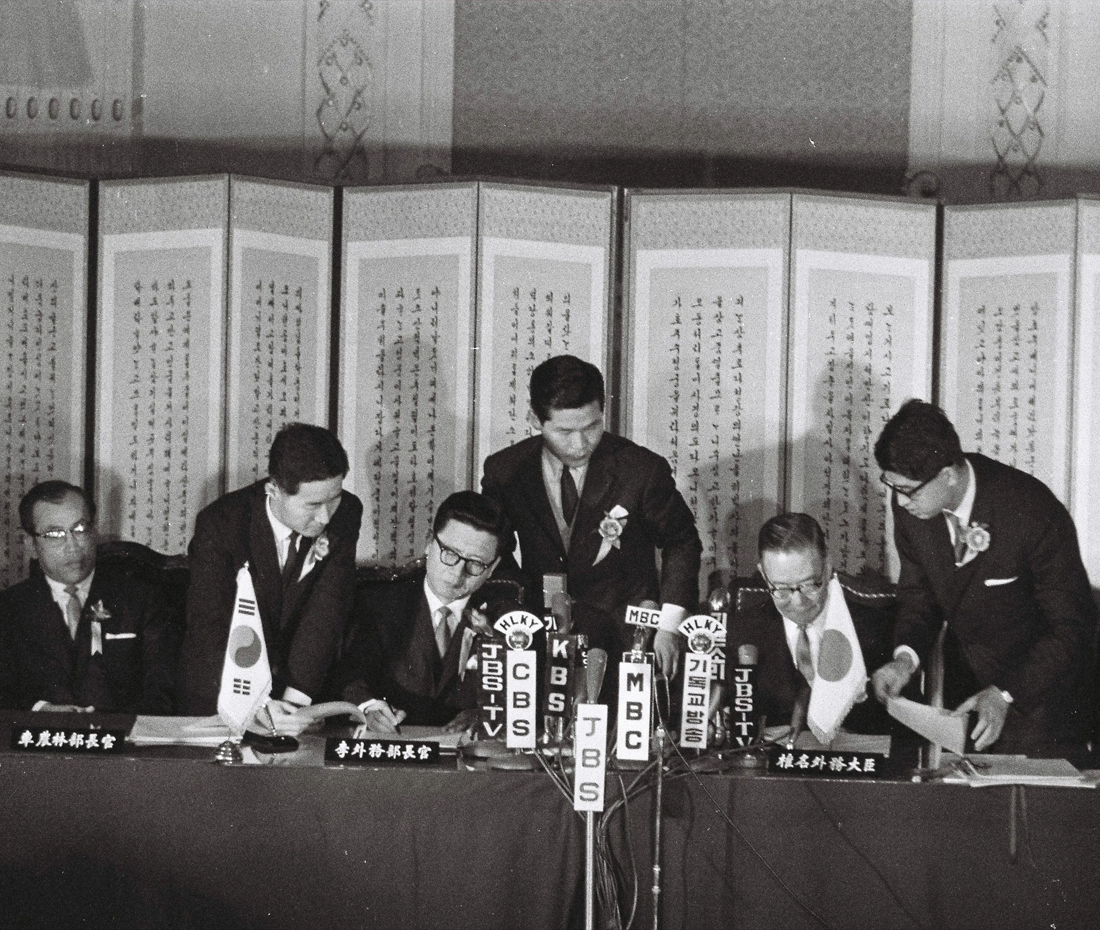
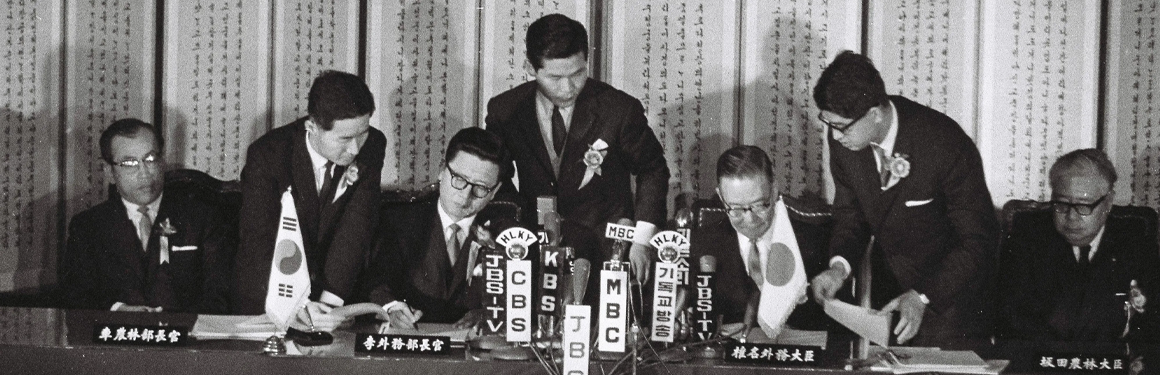
Japan presented this as compensation for wartime suffering. However, because these payments were delivered as Official Development Assistance (ODA), the framing blurred the moral meaning of the gesture. Many Koreans and other Asian nations concluded that Japan had tried to substitute development aid for a direct apology.
As Professor Maiko Ichihara of Hitotsubashi University explains:
Japan presented this as compensation for wartime suffering. However, because these payments were delivered as Official Development Assistance (ODA), the framing blurred the moral meaning of the gesture. Many Koreans and other Asian nations concluded that Japan had tried to substitute development aid for a direct apology.
As Professor Maiko Ichihara of Hitotsubashi University explains:
“The Japanese side believed it had apologized and paid compensation. People are outraged that other Asian countries do not consider it to have been compensation. There was this strange twist, which was caused by the political framing.”
“The Japanese side believed it had apologized and paid compensation. People are outraged that other Asian countries do not consider it to have been compensation. There was this strange twist, which was caused by the political framing.”
In 1995, Prime Minister Tomiichi Murayama issued Japan’s first clear statement of remorse for “colonial rule and aggression,” acknowledging the “tremendous damage and suffering” inflicted during World War II. The Ministry of Foreign Affairs published the statement in Chinese, Korean, and English.
A decade later, Prime Minister Junichiro Koizumi affirmed the same position, stating:
In 1995, Prime Minister Tomiichi Murayama issued Japan’s first clear statement of remorse for “colonial rule and aggression,” acknowledging the “tremendous damage and suffering” inflicted during World War II. The Ministry of Foreign Affairs published the statement in Chinese, Korean, and English.
A decade later, Prime Minister Junichiro Koizumi affirmed the same position, stating:
“In the past, Japan through its colonial rule and aggression, caused tremendous damage and suffering to the people of many countries, particularly those of Asian nations. Japan squarely faces these facts of history in a spirit of humility.”
“In the past, Japan through its colonial rule and aggression, caused tremendous damage and suffering to the people of many countries, particularly those of Asian nations. Japan squarely faces these facts of history in a spirit of humility.”
Despite these gestures, apologies have often been overshadowed by contradictory political signals. In 2005, anti‑Japanese protests erupted in major Chinese cities following Tokyo’s approval of a history textbook that critics argued downplayed wartime atrocities, including mass sexual slavery and biological warfare.
In 2015, Prime Minister Shinzo Abe echoed earlier apologies but simultaneously argued that future generations “should not be predestined to apologize.”
That same year, he publicly denied evidence of forced recruitment of “comfort women”—the term widely used to refer to sex slaves held by the Japanese military. South Korea, seeking a formal acknowledgement of wrongdoing for decades, reached a 2015 agreement with Japan that included ¥1 billion (US $7.2 million) for victim compensation.
Yet three weeks after Foreign Minister Fumio Kishida acknowledged a “grave affront to the honor and dignity” of the women, Abe contradicted him before the National Diet: “There was no document found that the ‘comfort women’ were forcibly taken away.”
Unlike South Korea, Japan has never established a Truth and Reconciliation Commission to provide a comprehensive, independent assessment of its wartime responsibilities. This inconsistency has kept historical grievances alive.
As Professor Tomohiko Uyama of Hokkaido University observes:
Despite these gestures, apologies have often been overshadowed by contradictory political signals. In 2005, anti‑Japanese protests erupted in major Chinese cities following Tokyo’s approval of a history textbook that critics argued downplayed wartime atrocities, including mass sexual slavery and biological warfare.
In 2015, Prime Minister Shinzo Abe echoed earlier apologies but simultaneously argued that future generations “should not be predestined to apologize.”
That same year, he publicly denied evidence of forced recruitment of “comfort women”—the term widely used to refer to sex slaves held by the Japanese military. South Korea, seeking a formal acknowledgement of wrongdoing for decades, reached a 2015 agreement with Japan that included ¥1 billion (US $7.2 million) for victim compensation.
Yet three weeks after Foreign Minister Fumio Kishida acknowledged a “grave affront to the honor and dignity” of the women, Abe contradicted him before the National Diet: “There was no document found that the ‘comfort women’ were forcibly taken away.”
Unlike South Korea, Japan has never established a Truth and Reconciliation Commission to provide a comprehensive, independent assessment of its wartime responsibilities. This inconsistency has kept historical grievances alive.
As Professor Tomohiko Uyama of Hokkaido University observes:
“Postwar Japan does not view Korea as inherently one with Japan or as territory to be reclaimed. Recently, the two countries have shared a sense of crisis regarding the global order, and their relations have become relatively stable.”
“Postwar Japan does not view Korea as inherently one with Japan or as territory to be reclaimed. Recently, the two countries have shared a sense of crisis regarding the global order, and their relations have become relatively stable.”
The unresolved legacy of Japanese imperialism demonstrates a core truth for post‑imperial Russia: reconciliation cannot be partial, ambiguous, or diplomatic solely in form. Only sincere, consistent, institutional truth‑telling creates the foundations for future stability.
The unresolved legacy of Japanese imperialism demonstrates a core truth for post‑imperial Russia: reconciliation cannot be partial, ambiguous, or diplomatic solely in form. Only sincere, consistent, institutional truth‑telling creates the foundations for future stability.
On May 22, 2018, the South Korean flag was raised above a red‑brick building in Washington, D.C., marking the opening of the Old Korean Legation Museum. More than a century earlier, the building had been the Joseon Kingdom’s official diplomatic mission. Japan seized control of it in 1910 during the forced annexation of Korea, and the property was sold for just $10.
For generations of Koreans, the building became a symbol of lost sovereignty and national humiliation. Over the decades that followed, Korean civic groups and private donors repeatedly attempted to buy the property back. Finally, in 2012, its longtime owners agreed to sell it to the South Korean government.
After several years of restoration, the building opened as a museum in 2018. President Moon Jae‑in and First Lady Kim Jung‑sook attended the reopening ceremony. Amy Lee, granddaughter of King Gojong and an advocate for the building’s repatriation, said simply: “I’m glad we have become strong enough and have enough money to buy it back.”
During a visit to the museum, the author observed the sense of reverence among Korean visitors—an emotional connection to a place that had once represented national loss and now signified national recovery.
This story captures, in miniature, the arc of South Korea itself: a nation that moved from colonization and war to democracy, prosperity, and global influence.
On May 22, 2018, the South Korean flag was raised above a red‑brick building in Washington, D.C., marking the opening of the Old Korean Legation Museum. More than a century earlier, the building had been the Joseon Kingdom’s official diplomatic mission. Japan seized control of it in 1910 during the forced annexation of Korea, and the property was sold for just $10.
For generations of Koreans, the building became a symbol of lost sovereignty and national humiliation. Over the decades that followed, Korean civic groups and private donors repeatedly attempted to buy the property back. Finally, in 2012, its longtime owners agreed to sell it to the South Korean government.
After several years of restoration, the building opened as a museum in 2018. President Moon Jae‑in and First Lady Kim Jung‑sook attended the reopening ceremony. Amy Lee, granddaughter of King Gojong and an advocate for the building’s repatriation, said simply: “I’m glad we have become strong enough and have enough money to buy it back.”
During a visit to the museum, the author observed the sense of reverence among Korean visitors—an emotional connection to a place that had once represented national loss and now signified national recovery.
This story captures, in miniature, the arc of South Korea itself: a nation that moved from colonization and war to democracy, prosperity, and global influence.
After seizing power in a military coup, Chun Doo‑hwan became president in 1980 through an uncontested election. That spring, student unions and ordinary citizens across South Korea demanded democracy, press freedom, and an end to martial law.
Chun’s presidency was defined by one of the darkest chapters in modern Korean history: the bloody suppression of the Gwangju uprising. Gwangju, a city roughly 300 kilometers from Seoul, became the center of nationwide resistance.
On May 18, 1980, students gathered to protest the closure of universities—one of several measures imposed when Chun tightened martial law on May 17, shutting down campuses and banning all political gatherings. Troops moved in to disperse the demonstrators. Violence escalated rapidly: soldiers beat, shot, and bayoneted students as well as uninvolved civilians. One of the first victims was Kim Gyeong‑cheol, a 29‑year-old deaf‑mute passerby who was killed by soldiers.
As news of the brutality spread, thousands of residents joined the protests. The military responded with tear gas, live ammunition, and escalating force. Casualties climbed steadily.
In an effort to stop the bloodshed, some residents armed themselves. The military withdrew to the outskirts of the city, encircling it. At dawn on May 27, security forces launched a final, overwhelming assault.
The true death toll of the Gwangju Massacre remains disputed. Official figures estimate around 200 deaths, while other credible sources suggest that more than 2,000 people may have been killed.
The United States—whose military bases were stationed in South Korea—did not intervene. This perceived inaction fueled decades of distrust and suspicion toward Washington among many Koreans.
The Gwangju Massacre became a defining symbol of South Korea’s struggle for democracy: a reminder of the human cost of authoritarianism and a rallying point for the movements that ultimately toppled military rule.
After seizing power in a military coup, Chun Doo‑hwan became president in 1980 through an uncontested election. That spring, student unions and ordinary citizens across South Korea demanded democracy, press freedom, and an end to martial law.
Chun’s presidency was defined by one of the darkest chapters in modern Korean history: the bloody suppression of the Gwangju uprising. Gwangju, a city roughly 300 kilometers from Seoul, became the center of nationwide resistance.
On May 18, 1980, students gathered to protest the closure of universities—one of several measures imposed when Chun tightened martial law on May 17, shutting down campuses and banning all political gatherings. Troops moved in to disperse the demonstrators. Violence escalated rapidly: soldiers beat, shot, and bayoneted students as well as uninvolved civilians. One of the first victims was Kim Gyeong‑cheol, a 29‑year-old deaf‑mute passerby who was killed by soldiers.
As news of the brutality spread, thousands of residents joined the protests. The military responded with tear gas, live ammunition, and escalating force. Casualties climbed steadily.
In an effort to stop the bloodshed, some residents armed themselves. The military withdrew to the outskirts of the city, encircling it. At dawn on May 27, security forces launched a final, overwhelming assault.
The true death toll of the Gwangju Massacre remains disputed. Official figures estimate around 200 deaths, while other credible sources suggest that more than 2,000 people may have been killed.
The United States—whose military bases were stationed in South Korea—did not intervene. This perceived inaction fueled decades of distrust and suspicion toward Washington among many Koreans.
The Gwangju Massacre became a defining symbol of South Korea’s struggle for democracy: a reminder of the human cost of authoritarianism and a rallying point for the movements that ultimately toppled military rule.
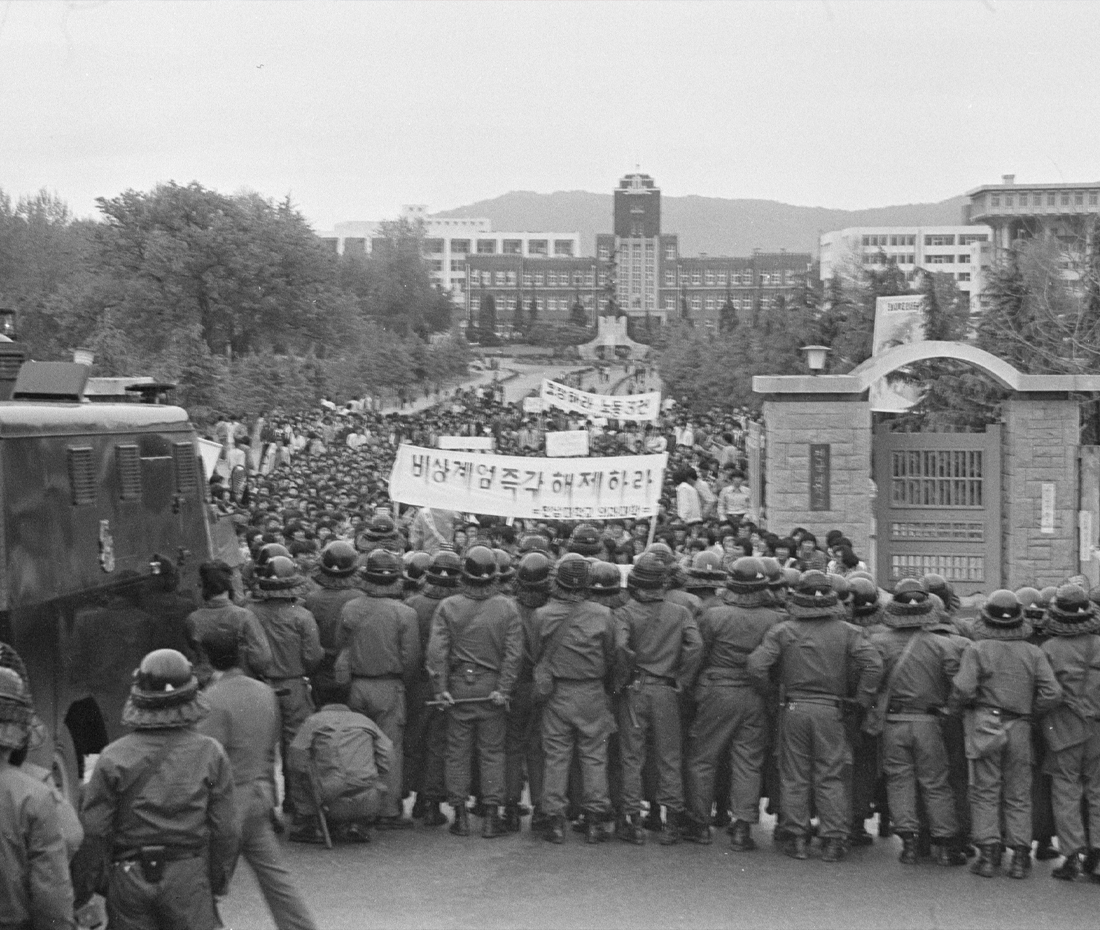
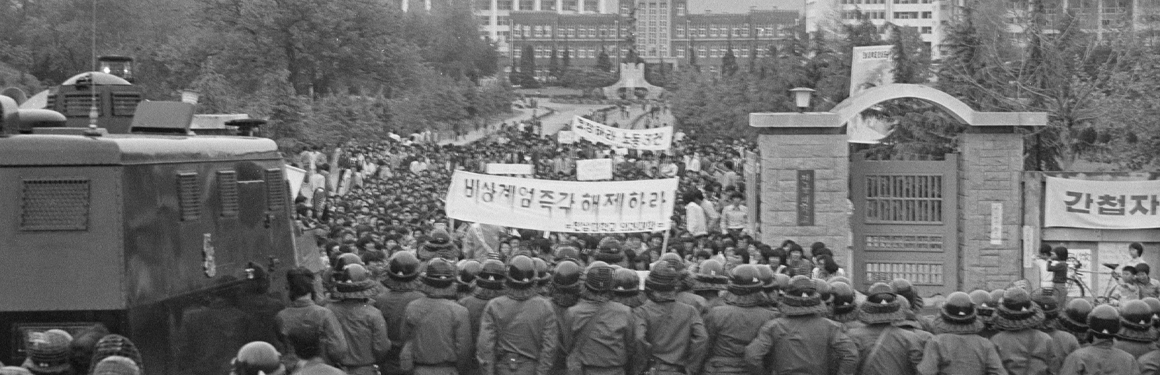
Nationwide protests in 1987 forced sweeping constitutional reforms and the restoration of direct presidential elections. The catalyst came in January, when authorities tortured and killed Park Jong‑chul, a Seoul National University student advocating for democratic change. Public patience had reached its breaking point under Chun Doo‑hwan’s authoritarian rule.
Millions of citizens soon poured into the streets during what would become known as the June Democratic Struggle. A defining moment occurred when a tear gas grenade struck student Lee Han‑yeol in the head during a demonstration. He later died from his injuries, and more than one million people attended his funeral. His death ignited simultaneous protests across the country—more than 100 separate demonstrations on some days.
The regime, unable to contain the nationwide uprising, conceded to public pressure. Chun Doo‑hwan agreed to constitutional reforms establishing direct presidential elections and broader democratic protections. This marked the beginning of South Korea’s Sixth Republic and its modern democratic era.
International pressure also played a meaningful role. With South Korea scheduled to host the 1988 Olympic Games, the government faced global scrutiny. Authorities feared that continued repression could damage the country’s reputation and jeopardize the Games.
As Professor Soyoung Kwon of George Mason University Korea explains:
Nationwide protests in 1987 forced sweeping constitutional reforms and the restoration of direct presidential elections. The catalyst came in January, when authorities tortured and killed Park Jong‑chul, a Seoul National University student advocating for democratic change. Public patience had reached its breaking point under Chun Doo‑hwan’s authoritarian rule.
Millions of citizens soon poured into the streets during what would become known as the June Democratic Struggle. A defining moment occurred when a tear gas grenade struck student Lee Han‑yeol in the head during a demonstration. He later died from his injuries, and more than one million people attended his funeral. His death ignited simultaneous protests across the country—more than 100 separate demonstrations on some days.
The regime, unable to contain the nationwide uprising, conceded to public pressure. Chun Doo‑hwan agreed to constitutional reforms establishing direct presidential elections and broader democratic protections. This marked the beginning of South Korea’s Sixth Republic and its modern democratic era.
International pressure also played a meaningful role. With South Korea scheduled to host the 1988 Olympic Games, the government faced global scrutiny. Authorities feared that continued repression could damage the country’s reputation and jeopardize the Games.
As Professor Soyoung Kwon of George Mason University Korea explains:
“We wanted to host the 1988 Olympics, but we faced heavy criticism from the world. Korea was unstable, and perhaps it wasn’t safe to host the Olympics there. And then, I think, the leaders made concessions because of this large‑scale event and international pressure. International pressure certainly contributed to the success of Korea’s democratization.”
“We wanted to host the 1988 Olympics, but we faced heavy criticism from the world. Korea was unstable, and perhaps it wasn’t safe to host the Olympics there. And then, I think, the leaders made concessions because of this large‑scale event and international pressure. International pressure certainly contributed to the success of Korea’s democratization.”
Public demand for accountability did not end with democratic concessions. In 1995, the National Assembly passed the Special Law on the May 18 Democratization Movement, enabling prosecution of those responsible for the 1979 coup and the Gwangju Massacre—despite the expiration of the statute of limitations.
In 1996, Chun Doo‑hwan and his successor, Roh Tae‑woo, were convicted. Chun received a death sentence; Roh received more than 22 years in prison. Both were pardoned the following year by President Kim Young‑sam, who argued that the decision was necessary for “national harmony.”
Democracy took time to consolidate. Real structural changes emerged during the presidency of Kim Dae‑jung, a longtime dissident who had survived assassination attempts, imprisonment, and exile. Elected in 1998, Kim’s presidency symbolized the triumph of democratic forces over the military regime.
South Korea’s protest movement makes one fact unmistakably clear: democracy was not a “gift” from the United States. Koreans fought for their freedom for decades and paid a heavy price for it. Moreover, the largest protests were not confined to Seoul—they emerged across the country, reflecting widespread, grassroots commitment to democratic reform.
Public demand for accountability did not end with democratic concessions. In 1995, the National Assembly passed the Special Law on the May 18 Democratization Movement, enabling prosecution of those responsible for the 1979 coup and the Gwangju Massacre—despite the expiration of the statute of limitations.
In 1996, Chun Doo‑hwan and his successor, Roh Tae‑woo, were convicted. Chun received a death sentence; Roh received more than 22 years in prison. Both were pardoned the following year by President Kim Young‑sam, who argued that the decision was necessary for “national harmony.”
Democracy took time to consolidate. Real structural changes emerged during the presidency of Kim Dae‑jung, a longtime dissident who had survived assassination attempts, imprisonment, and exile. Elected in 1998, Kim’s presidency symbolized the triumph of democratic forces over the military regime.
South Korea’s protest movement makes one fact unmistakably clear: democracy was not a “gift” from the United States. Koreans fought for their freedom for decades and paid a heavy price for it. Moreover, the largest protests were not confined to Seoul—they emerged across the country, reflecting widespread, grassroots commitment to democratic reform.
After the Korean War, South Korea was poorer than North Korea. In 1960, South Korea’s per capita GDP—measured in 1990 dollars—was just over $1,000. Malaysia’s was $1,500, Mozambique’s $1,300, and Guatemala’s $2,300. South Korea’s economic development and living standards were less than half those of Guatemala. Today, it ranks between France and Italy.
The turning point came with President Park Chung‑hee, who declared economic growth the country’s central mission. Park’s policies transformed South Korea from a producer of basic goods into a global industrial powerhouse.
The Vietnam War accelerated this process. By sending Korean troops to support the United States, Park secured significant economic and political benefits. The U.S. also became a critical export market: between 1965 and 1969, 45% of South Korea’s exports went to the United States.
Park’s government also made strategic use of the funds provided by Japan under the 1965 normalization treaty. These resources were channeled into infrastructure and industrial upgrading.
Under Park’s leadership, South Korea shifted from manufacturing low‑cost goods such as clothing and toys to advanced industrial products, including automobiles, ships, and electronics. The country lacked natural resources, forcing it to rely on human capital, technology, and exports. With a small domestic market, South Korea had to compete globally—and it did so successfully.
As Professor Soyoung Kwon put it:
After the Korean War, South Korea was poorer than North Korea. In 1960, South Korea’s per capita GDP—measured in 1990 dollars—was just over $1,000. Malaysia’s was $1,500, Mozambique’s $1,300, and Guatemala’s $2,300. South Korea’s economic development and living standards were less than half those of Guatemala. Today, it ranks between France and Italy.
The turning point came with President Park Chung‑hee, who declared economic growth the country’s central mission. Park’s policies transformed South Korea from a producer of basic goods into a global industrial powerhouse.
The Vietnam War accelerated this process. By sending Korean troops to support the United States, Park secured significant economic and political benefits. The U.S. also became a critical export market: between 1965 and 1969, 45% of South Korea’s exports went to the United States.
Park’s government also made strategic use of the funds provided by Japan under the 1965 normalization treaty. These resources were channeled into infrastructure and industrial upgrading.
Under Park’s leadership, South Korea shifted from manufacturing low‑cost goods such as clothing and toys to advanced industrial products, including automobiles, ships, and electronics. The country lacked natural resources, forcing it to rely on human capital, technology, and exports. With a small domestic market, South Korea had to compete globally—and it did so successfully.
As Professor Soyoung Kwon put it:
“I think the reason we worked so hard to create something is because we have nothing. We have no natural resources. We only have labor. So, to grow, we need to create something. And after we produce, we export. That’s how we grew. Even today, you can look at K‑pop and K‑beauty. We create things.”
“I think the reason we worked so hard to create something is because we have nothing. We have no natural resources. We only have labor. So, to grow, we need to create something. And after we produce, we export. That’s how we grew. Even today, you can look at K‑pop and K‑beauty. We create things.”
In the last six decades, South Korea has risen from poverty and dependence on U.S. aid to become one of the world’s leading industrial nations. Today, its major firms—Samsung, LG, Hyundai, and Kia—compete globally at the highest level.
In the last six decades, South Korea has risen from poverty and dependence on U.S. aid to become one of the world’s leading industrial nations. Today, its major firms—Samsung, LG, Hyundai, and Kia—compete globally at the highest level.
In October 2025, North Korea announced yet another cruise missile test—one more reminder of Pyongyang’s reliance on military spectacle. During the same period, South Korea showcased an entirely different form of national power.
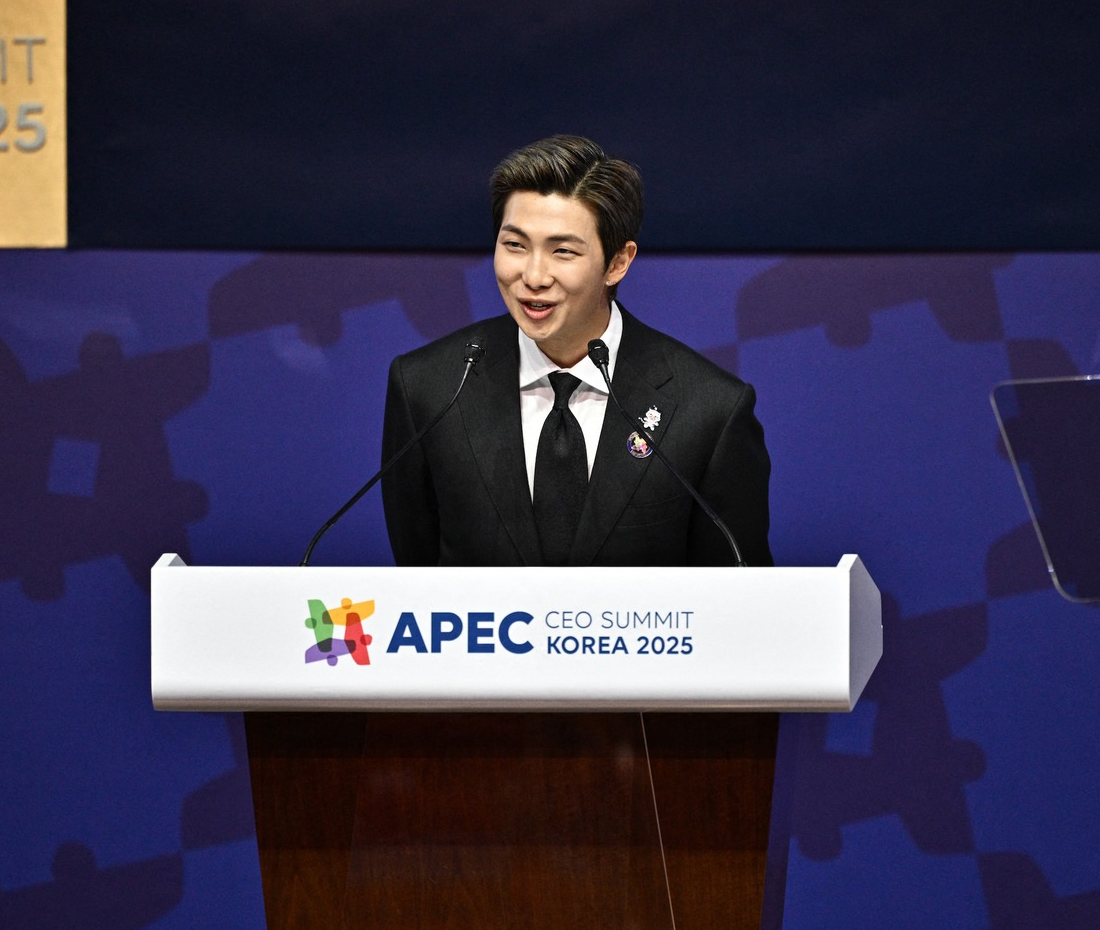
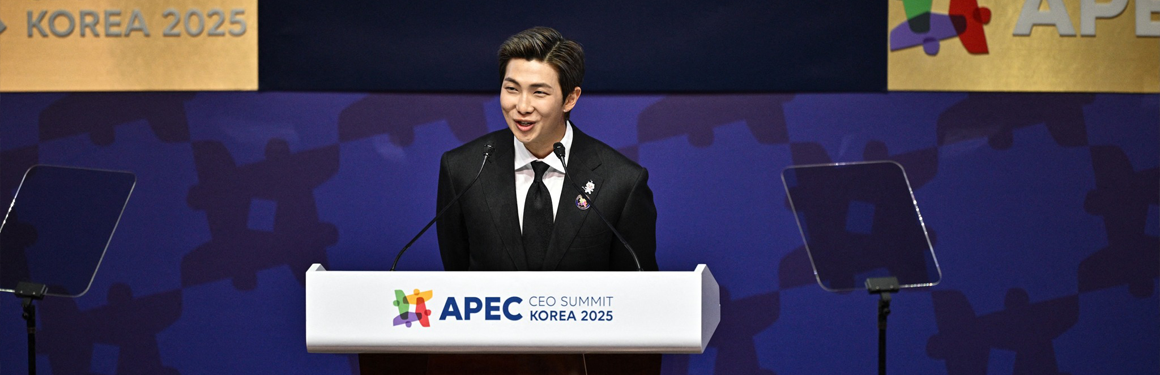
At the APEC CEO Summit in Korea, BTS leader Kim Namjoon delivered a keynote speech urging political and business leaders to invest in the arts and cultural industries, arguing that they have enormous economic and social potential.
For the first time, APEC formally recognized cultural and creative industries as part of its core agenda.
The global success of K‑culture—film, television, beauty products, fashion, and especially music—has transformed South Korea’s international profile. Shows like Squid Game and K‑Pop Demon Hunters are exported worldwide. Psy’s “Gangnam Style” became the first video in YouTube history to surpass one billion views.
What began as a local cultural movement has become a defining element of South Korea’s global identity, spreading Korean language, cuisine, aesthetics, and storytelling across continents.
Major world leaders have taken notice. In 2022, U.S. President Joe Biden met with members of BTS at the White House to address anti‑Asian hate—a moment that highlighted both the global reach of K‑culture and its political resonance.
South Korea’s experience underscores a powerful contrast: while North Korea seeks influence through nuclear threats, South Korea shapes global culture through creativity, openness, and quality. Soft power—not weapons—has made it an admired nation.
In October 2025, North Korea announced yet another cruise missile test—one more reminder of Pyongyang’s reliance on military spectacle. During the same period, South Korea showcased an entirely different form of national power.
At the APEC CEO Summit in Korea, BTS leader Kim Namjoon delivered a keynote speech urging political and business leaders to invest in the arts and cultural industries, arguing that they have enormous economic and social potential.
For the first time, APEC formally recognized cultural and creative industries as part of its core agenda.
The global success of K‑culture—film, television, beauty products, fashion, and especially music—has transformed South Korea’s international profile. Shows like Squid Game and K‑Pop Demon Hunters are exported worldwide. Psy’s “Gangnam Style” became the first video in YouTube history to surpass one billion views.
What began as a local cultural movement has become a defining element of South Korea’s global identity, spreading Korean language, cuisine, aesthetics, and storytelling across continents.
Major world leaders have taken notice. In 2022, U.S. President Joe Biden met with members of BTS at the White House to address anti‑Asian hate—a moment that highlighted both the global reach of K‑culture and its political resonance.
South Korea’s experience underscores a powerful contrast: while North Korea seeks influence through nuclear threats, South Korea shapes global culture through creativity, openness, and quality. Soft power—not weapons—has made it an admired nation.
Russia’s path out of imperial failure will not be built on slogans, but on choices. Japan and South Korea demonstrate that nations can move from militarism and dictatorship to stability, prosperity, and democratic legitimacy by combining moral clarity with disciplined, long‑term policy.
Their experiences are not templates, but they are proof that renewal is possible. The lessons below translate their trajectories into practical steps for a post‑imperial, multi‑ethnic Russia.
Russia’s path out of imperial failure will not be built on slogans, but on choices. Japan and South Korea demonstrate that nations can move from militarism and dictatorship to stability, prosperity, and democratic legitimacy by combining moral clarity with disciplined, long‑term policy.
Their experiences are not templates, but they are proof that renewal is possible. The lessons below translate their trajectories into practical steps for a post‑imperial, multi‑ethnic Russia.
Russia can learn key lessons from the democracies that emerged in the mid‑twentieth century, including how they coped with painful reconciliation and overcame economic hardship to rebuild after war and autocracy nearly destroyed them.
One of those lessons was to operate as a federal system. Due to its history, Russia resembles a large patchwork quilt: the regions differ significantly from one another, yet they are bound together. For example, Russia has Islamic, Christian, and Buddhist republics, and it is obvious that a country of Russia’s scale–occupying one‑sixth of the Earth's landmass, spanning 11 time zones, and inhabited by nearly 200 ethnic groups–cannot function as a unitary state.
It is essential to achieve economic autonomy for the regions, which currently transfer almost 65% of their tax revenue to the national level and are subsequently forced to demonstrate loyalty to the Kremlin, whose discretionary decisions determine how much money the region will receive. The powers of the national government should be strongly and very explicitly limited. The foundation of a new Russia should be built on a broad mandate of popular representation from municipalities and regions.
Russia can learn key lessons from the democracies that emerged in the mid‑twentieth century, including how they coped with painful reconciliation and overcame economic hardship to rebuild after war and autocracy nearly destroyed them.
One of those lessons was to operate as a federal system. Due to its history, Russia resembles a large patchwork quilt: the regions differ significantly from one another, yet they are bound together. For example, Russia has Islamic, Christian, and Buddhist republics, and it is obvious that a country of Russia’s scale–occupying one‑sixth of the Earth's landmass, spanning 11 time zones, and inhabited by nearly 200 ethnic groups–cannot function as a unitary state.
It is essential to achieve economic autonomy for the regions, which currently transfer almost 65% of their tax revenue to the national level and are subsequently forced to demonstrate loyalty to the Kremlin, whose discretionary decisions determine how much money the region will receive. The powers of the national government should be strongly and very explicitly limited. The foundation of a new Russia should be built on a broad mandate of popular representation from municipalities and regions.
Japan’s pacifist constitution and South Korea’s reliance on external security guarantees created strategic space for economic growth, institutional reform, and social repair. Russia does not need to copy their legal texts to follow the logic. National security should be tied to defense, not aggression.
Defense spending should be capped for a defined transition period. All overseas deployments should require parliamentary approval and judicial review. External security guarantees—where appropriate—can be temporary, pragmatic, and transparent.
The goal is simple: remove incentives for revanchism and free fiscal space for rebuilding the state.
Japan’s pacifist constitution and South Korea’s reliance on external security guarantees created strategic space for economic growth, institutional reform, and social repair. Russia does not need to copy their legal texts to follow the logic. National security should be tied to defense, not aggression.
Defense spending should be capped for a defined transition period. All overseas deployments should require parliamentary approval and judicial review. External security guarantees—where appropriate—can be temporary, pragmatic, and transparent.
The goal is simple: remove incentives for revanchism and free fiscal space for rebuilding the state.
Japan and South Korea show that partial or ambiguous reckonings with past crimes poison relationships for decades. Russia should establish an independent truth commission. Its primary goal should be to publicly establish facts regarding repression, genocide, and capture of state institutions.
Mechanisms should be created to reduce punishment for those who cooperate willingly and in good faith. Archives should be opened on a clear schedule. Whistleblowers must be protected. Educational curricula should incorporate verified findings. Legal mechanisms for reparations must be transparent and accurately named. Reconciliation that is neither specific nor visible will not endure.
Japan and South Korea show that partial or ambiguous reckonings with past crimes poison relationships for decades. Russia should establish an independent truth commission. Its primary goal should be to publicly establish facts regarding repression, genocide, and capture of state institutions.
Mechanisms should be created to reduce punishment for those who cooperate willingly and in good faith. Archives should be opened on a clear schedule. Whistleblowers must be protected. Educational curricula should incorporate verified findings. Legal mechanisms for reparations must be transparent and accurately named. Reconciliation that is neither specific nor visible will not endure.
Democracy is not only elections—it is constraints on power. Japanese prosecutors, courts, and media learned to investigate the powerful, and their work produced real accountability. Russia must design judicial independence, not merely declare it.
That means mixed government–bar appointments to high courts, transparent terms and performance reviews, budgetary independence for the judiciary, source‑protection rules for journalists, plural, rules‑based licensing for broadcasters, and parliamentary oversight committees with guaranteed rights for minority parties.
Democracy is not only elections—it is constraints on power. Japanese prosecutors, courts, and media learned to investigate the powerful, and their work produced real accountability. Russia must design judicial independence, not merely declare it.
That means mixed government–bar appointments to high courts, transparent terms and performance reviews, budgetary independence for the judiciary, source‑protection rules for journalists, plural, rules‑based licensing for broadcasters, and parliamentary oversight committees with guaranteed rights for minority parties.
Japan’s coordinated industrial policy and South Korea’s export discipline worked because support was conditional, targeted, and temporary.
Russia should identify a small number of sectors where it can compete without imperial rents: energy‑transition hardware and retrofits, heavy‑machinery modernization, secure digital equipment, logistics and maintenance services, and high‑reliability consumer goods. Government support should be tied to export or quality benchmarks, with automatic sunset clauses. Subsidies should diffuse technology to small and mid‑sized firms rather than entrenching national champions.
Japan’s coordinated industrial policy and South Korea’s export discipline worked because support was conditional, targeted, and temporary.
Russia should identify a small number of sectors where it can compete without imperial rents: energy‑transition hardware and retrofits, heavy‑machinery modernization, secure digital equipment, logistics and maintenance services, and high‑reliability consumer goods. Government support should be tied to export or quality benchmarks, with automatic sunset clauses. Subsidies should diffuse technology to small and mid‑sized firms rather than entrenching national champions.
South Korea’s democratic breakthroughs were driven by civil society and institutionalized over time. Russia should clarify the right to assemble, narrow police discretion, and require rapid judicial review for protest‑related cases. Universities and labor unions must be recognized as part of the democratic ecosystem—not as threats.
Civic mobilization should be treated as a feedback mechanism that improves policy, not a virus to be suppressed.
South Korea’s democratic breakthroughs were driven by civil society and institutionalized over time. Russia should clarify the right to assemble, narrow police discretion, and require rapid judicial review for protest‑related cases. Universities and labor unions must be recognized as part of the democratic ecosystem—not as threats.
Civic mobilization should be treated as a feedback mechanism that improves policy, not a virus to be suppressed.
Both Asian democracies converted national trauma into human‑capital development: universal education, technical colleges, managerial training, and continuous upskilling. A Russian recovery should create vocational institutes linked to regional employers, strengthen STEM education and safety standards in schools, and establish return‑to-work programs for veterans, political prisoners, and internally displaced people. Immigration policy should reflect demographic needs, and minority languages and cultures must be supported in schools and public media.
A multi‑ethnic Russia that educates across identities will be more cohesive and more innovative. (Russia’s Human Development Index already compares respectably with Japan and South Korea, illustrating the country’s latent potential.)
Both Asian democracies converted national trauma into human‑capital development: universal education, technical colleges, managerial training, and continuous upskilling. A Russian recovery should create vocational institutes linked to regional employers, strengthen STEM education and safety standards in schools, and establish return‑to-work programs for veterans, political prisoners, and internally displaced people. Immigration policy should reflect demographic needs, and minority languages and cultures must be supported in schools and public media.
A multi‑ethnic Russia that educates across identities will be more cohesive and more innovative. (Russia’s Human Development Index already compares respectably with Japan and South Korea, illustrating the country’s latent potential.)
Japan and South Korea transformed quality into soft power—through reliability, standards, and culture that travels.
Russia should adopt and enforce national safety and quality standards aligned with trusted international benchmarks. It should create an independent standards agency representing consumers and industry. Targeted support should be provided for cultural exports—film, music, literature, design—that showcase modern Russian life beyond imperial narratives. Soft power follows trust, and trust follows quality.
Japan and South Korea transformed quality into soft power—through reliability, standards, and culture that travels.
Russia should adopt and enforce national safety and quality standards aligned with trusted international benchmarks. It should create an independent standards agency representing consumers and industry. Targeted support should be provided for cultural exports—film, music, literature, design—that showcase modern Russian life beyond imperial narratives. Soft power follows trust, and trust follows quality.
Japan and South Korea balanced national strategy with local implementation. A federal Russia can do the same: devolve clearly defined fiscal powers to regions and municipalities, publish equalization formulas, require participatory budgeting for major regional projects, and benchmark public‑service performance with transparent scorecards.
Decentralization without metrics creates fiefdoms; decentralization with metrics builds legitimacy and trust.
Japan and South Korea balanced national strategy with local implementation. A federal Russia can do the same: devolve clearly defined fiscal powers to regions and municipalities, publish equalization formulas, require participatory budgeting for major regional projects, and benchmark public‑service performance with transparent scorecards.
Decentralization without metrics creates fiefdoms; decentralization with metrics builds legitimacy and trust.
South Korea’s reforms demonstrate why campaign‑finance rules matter.
Russia should introduce donation caps, real‑time financial disclosure, independent auditing of party finances, and public financing, which, as journalists note, is currently extremely corrupt, making all parties effectively dependent on the Kremlin. Party and media finances should be firewalled from the government and undue influence of large corporate interests. Corporate and state‑enterprise slush funds should be banned, and cooling‑off periods should be required before senior officials can enter private business. Elections are only as clean as their money.
South Korea’s reforms demonstrate why campaign‑finance rules matter.
Russia should introduce donation caps, real‑time financial disclosure, independent auditing of party finances, and public financing, which, as journalists note, is currently extremely corrupt, making all parties effectively dependent on the Kremlin. Party and media finances should be firewalled from the government and undue influence of large corporate interests. Corporate and state‑enterprise slush funds should be banned, and cooling‑off periods should be required before senior officials can enter private business. Elections are only as clean as their money.
Asian democracies did not transform overnight. Russia will not either. But the stages can be planned:
Asian democracies did not transform overnight. Russia will not either. But the stages can be planned:
The through‑line is not Westernization—it is renewal. Japan and South Korea did not simply apologize and imitate. They selected, adapted, and enforced. A post‑imperial, multi‑ethnic Russia can do the same: learning eastward without abandoning its westward half. The goal is not to become someone else’s idea of a democracy, but to build one worthy of Russia’s peoples—secured by law, powered by talent, and respected for what it creates rather than feared for what it might destroy.
The through‑line is not Westernization—it is renewal. Japan and South Korea did not simply apologize and imitate. They selected, adapted, and enforced. A post‑imperial, multi‑ethnic Russia can do the same: learning eastward without abandoning its westward half. The goal is not to become someone else’s idea of a democracy, but to build one worthy of Russia’s peoples—secured by law, powered by talent, and respected for what it creates rather than feared for what it might destroy.
It is possible that one of Russia’s core dilemmas lies in its extremes. Positioned between Europe and Asia, the country often seeks certainty—much like a child from a mixed family who feels pressure to choose one “primary” identity.
Yet genuine, balanced development requires embracing both. Russia can move forward only if it learns to adopt the successful practices of Europe and Asia without, on the one hand, slipping into excessive Eurocentrism, and, on the other, returning to imperial habits. Seen from this perspective, Russia’s so‑called “split identity” is not a weakness but a potential strength—an expanded vantage point that enables a broader understanding of the world.
In an ideal future, Russia could serve as a bridge between the democracies of Europe and Asia. As former Japanese Foreign and Defense Minister Taro Kono observed, “A part of Russia is definitely Europe.” He added:
It is possible that one of Russia’s core dilemmas lies in its extremes. Positioned between Europe and Asia, the country often seeks certainty—much like a child from a mixed family who feels pressure to choose one “primary” identity.
Yet genuine, balanced development requires embracing both. Russia can move forward only if it learns to adopt the successful practices of Europe and Asia without, on the one hand, slipping into excessive Eurocentrism, and, on the other, returning to imperial habits. Seen from this perspective, Russia’s so‑called “split identity” is not a weakness but a potential strength—an expanded vantage point that enables a broader understanding of the world.
In an ideal future, Russia could serve as a bridge between the democracies of Europe and Asia. As former Japanese Foreign and Defense Minister Taro Kono observed, “A part of Russia is definitely Europe.” He added:
“I hope Russia will come back to our side and make the G7 into the G8 again someday. If we could bring Russia back, it would be very good. During the Cold War, Russia was the big brother and China was the little kid brother. But the relationship has changed. Now China is the big brother, and Russia is the little kid brother following China. I’m not sure Russia is happy that way. When Putin goes, we hope Russia will regain democracy. I hope Russia can work with us and share common values like democracy, rule of law, and human rights. We hope that a post‑Putin Russia will be a good democratic country.”
“I hope Russia will come back to our side and make the G7 into the G8 again someday. If we could bring Russia back, it would be very good. During the Cold War, Russia was the big brother and China was the little kid brother. But the relationship has changed. Now China is the big brother, and Russia is the little kid brother following China. I’m not sure Russia is happy that way. When Putin goes, we hope Russia will regain democracy. I hope Russia can work with us and share common values like democracy, rule of law, and human rights. We hope that a post‑Putin Russia will be a good democratic country.”
Before any such future is possible, today’s Russia must absorb a difficult lesson. Japan’s prewar and wartime history shows that expansionist ambitions rooted in insecurity lead inevitably to tragedy. Japan’s postwar history shows something equally important: only under peace do the lives of ordinary people improve. The same will be true for Russia.
Before any such future is possible, today’s Russia must absorb a difficult lesson. Japan’s prewar and wartime history shows that expansionist ambitions rooted in insecurity lead inevitably to tragedy. Japan’s postwar history shows something equally important: only under peace do the lives of ordinary people improve. The same will be true for Russia.
Foreign policy from the perspective of civil society and humanitarian knowledge
By Vasiliy Zharkov
May 29, 2024
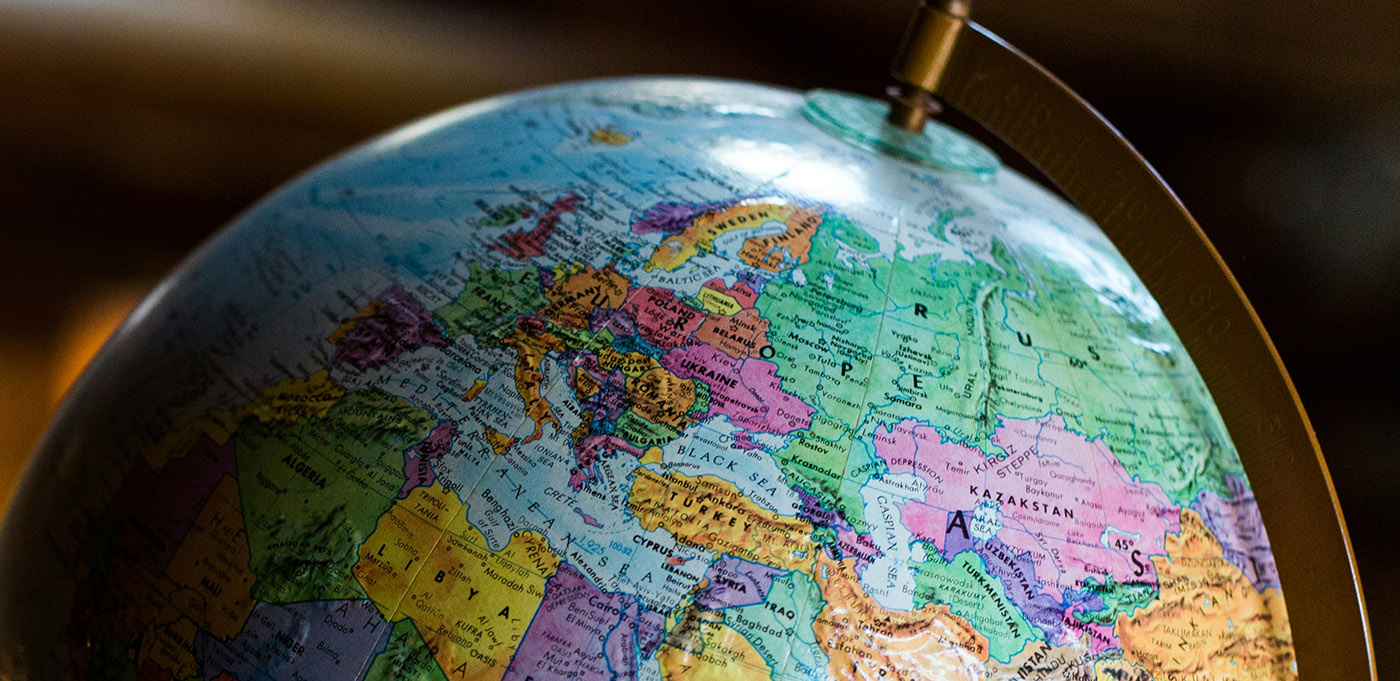 Article
 Dog owners in Russia have to make sure that their dogs don’t try to eat anything during their walks — as it is not rare to come across poisoned meat set out as baits by dog hunters
By Alexandra Garmazhapova
August 18, 2021
 Article
 By Alexandra Garmazhapova
March 31, 2017

Foreign policy from the perspective of civil society and humanitarian knowledge
By Vasiliy Zharkov
May 29, 2024
Article Dog owners in Russia have to make sure that their dogs don’t try to eat anything during their walks — as it is not rare to come across poisoned meat set out as baits by dog hunters
By Alexandra Garmazhapova
August 18, 2021
Article By Alexandra Garmazhapova
March 31, 2017