
One of the most persistent questions about contemporary Russia is also one of the simplest: if many Russians do not support the war, why has there been no mass protest?
A tempting answer is that silence means acceptance: if people are not openly resisting, they must either support the authorities or have adjusted to what is happening. That reading often appears in public statements by European politicians and in practical decisions, including restrictions on Russian citizens during the war.
This explanation, however, is incomplete. Support for the authorities and the war does exist in Russian society and must be taken seriously. Yet treating the absence of protest as evidence that such support extends to Russian society as a whole would oversimplify the situation.
This piece offers an alternative interpretation, showing that the absence of mass protest reflects a more complex set of factors than presumed consolidation around the authorities.
Institutional Environment: Why Silence Has Become a Dominant Strategy in Russian Life
An adequate assessment of the situation in contemporary Russia requires taking into account several circumstances that may not be obvious to an external observer, but that directly shape everyday living conditions and behavioral patterns among Russians.
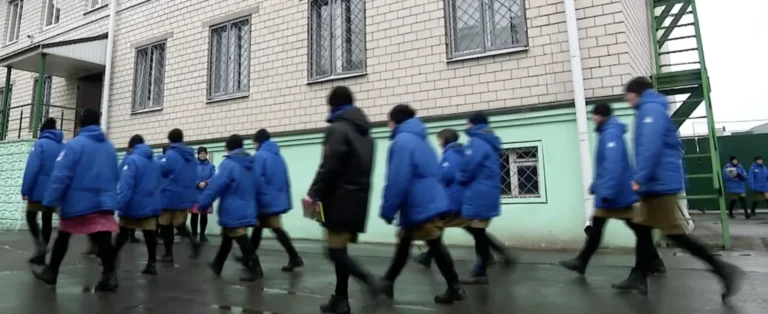
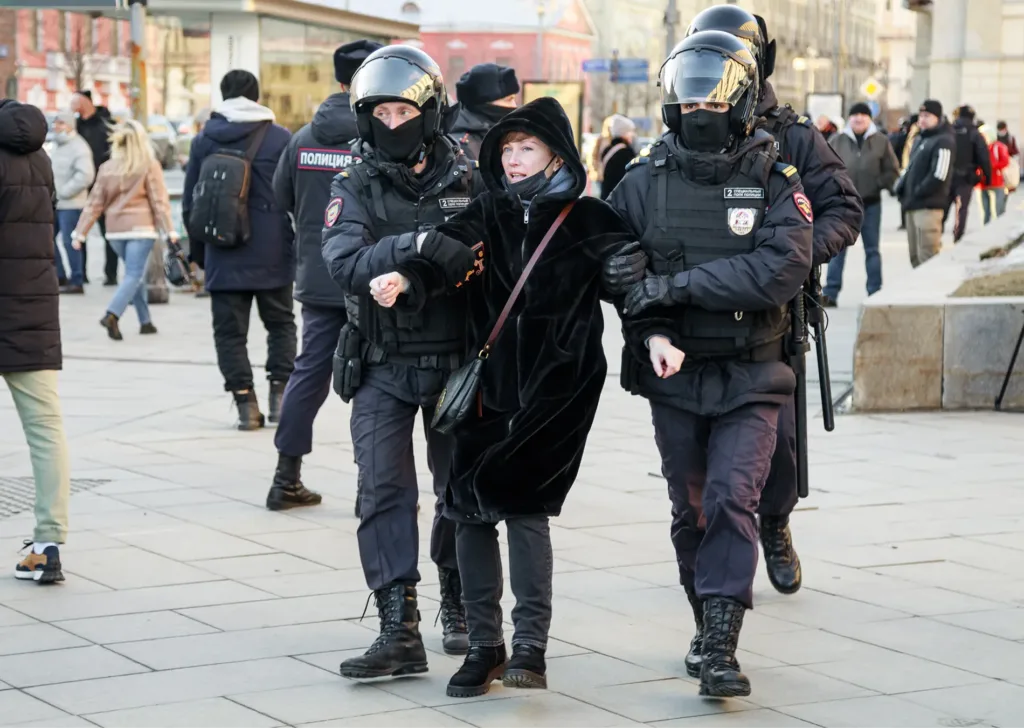
- Since February 2022, legal and relatively safe channels for expressing dissent in Russia have been effectively dismantled, including independent political parties, street politics, and protest movements. A significant number of opposition politicians have been persecuted or forced to leave the country.
- Access to independent information is restricted, while consuming such information requires additional effort and entails significant risks. This contributes to a fragmented information environment that hinders the formation of shared interpretations and the coordination of collective action.
- Official rhetoric has become increasingly radicalized, reinforcing intolerance toward dissent. The use of stigmatizing labels and the expansion of prohibitions increase both the social and legal costs of expressing disagreement.
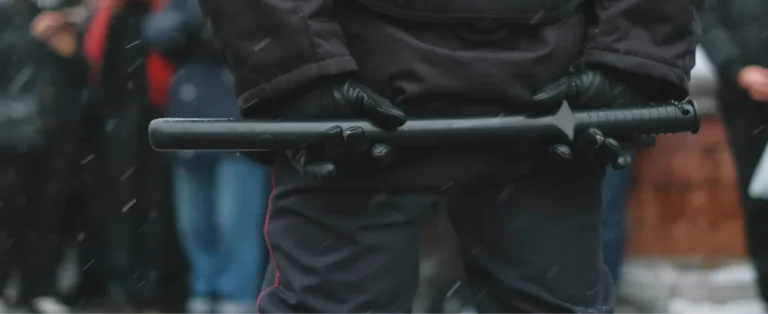
- Repressive legislation is applied selectively and unpredictably, amplifying its deterrent effect: not only the existence of sanctions matters, but also the uncertainty surrounding their enforcement.
- Coercion to demonstrate loyalty is not universal. It is largely concentrated in sectors under direct state control and is typically limited to demands for symbolic expressions of support.
Under these conditions, the absence of mass protest is not a reliable indicator of consolidation around the authorities. It points instead to an institutional system that reshapes people’s behavioral priorities and makes risk minimization the dominant strategy of everyday life.
When loyalty is not required, but disloyalty is costly, the rational response is to stay unnoticed: to recognize dangerous topics, avoid unnecessary conversations, and never be the first to speak. Caution becomes a basic rule of safety.
As a result, people’s political positions become increasingly less observable. To an external observer, this can look like silent consent and support for the authorities. In reality, it reflects the displacement of political positions from the public sphere rather than mass approval of the regime’s actions.
Notably, available empirical observations support the validity of this view of Russian society.
- First, Russians display a widespread tendency to avoid expressing political positions. Surveys consistently register increased caution among respondents when answering sensitive questions about attitudes toward the authorities and the war. Such questions are characterized by a high share of refusals and “don’t know” answers. Experimental studies also show that some respondents tend to express socially desirable opinions rather than their own.
- Second, the behavior of Russians demonstrates a stable tendency to minimize public political activity. Grassroots initiatives remain episodic and local, while participation in large-scale pro-government events is often ensured through administrative mobilization. A common response to undesirable changes is quiet avoidance: the absence of public resistance combined with an effort to reduce the impact of these changes on everyday life.
The Formation of the “Silent Middle” as a Mass Social Segment
The logic described above helps identify a broad segment of Russian society that can be described as the “silent middle.” This segment brings together people characterized by the minimization of public political activity and a disposition toward remaining unnoticed. This part of society is “silent” because the desire to reduce risks pushes those belonging to it to avoid openly expressing their political positions. It is the “middle” because this behavior places them between two publicly visible poles: open disagreement with the authorities’ actions and proactive support for the regime.
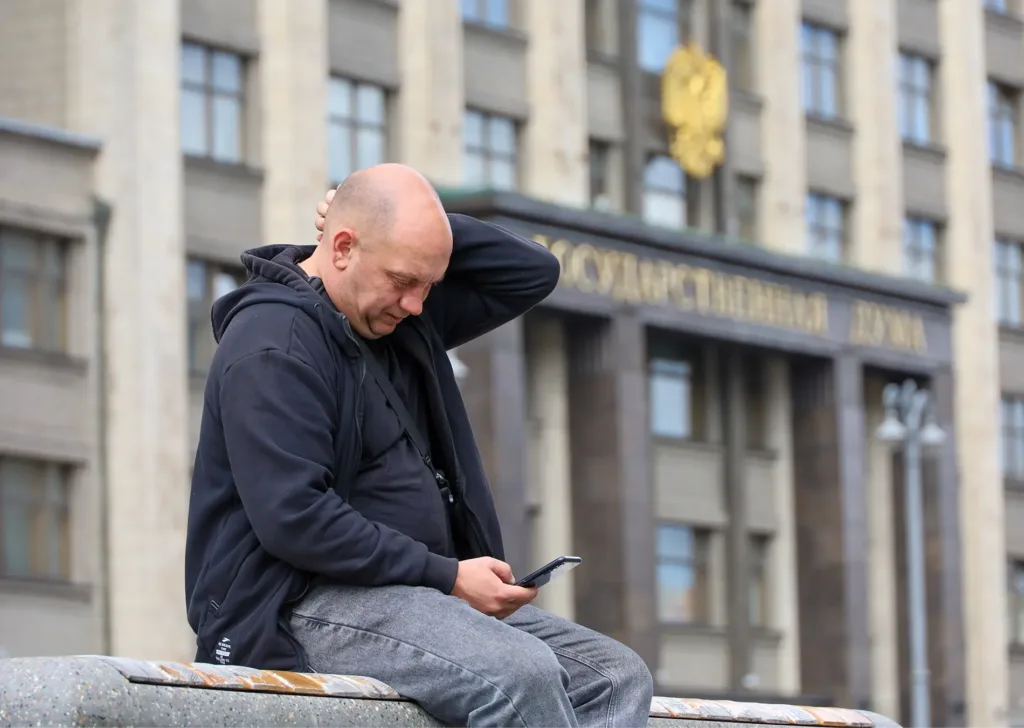
It is important to note that the “silent middle” is not a small or marginal segment, but a relatively broad and heterogeneous part of Russian society. It is based not on shared views or a common ideology, but on similarities in behavioral strategies. A tendency toward caution and the minimization of public political activity can bring together many people with fundamentally different social positions, different levels of dependence on the state, and different attitudes toward what is happening.
Several groups may belong to this segment:
- People who are moderately loyal to the authorities but not ready to participate actively in pro-government mobilization. They may generally accept the official interpretation of events or view the authorities’ actions as forced or necessary, but their loyalty remains passive. Such people do not seek to publicly defend the regime, participate in political campaigns, or demonstrate support beyond the required minimum.
- People who are critical of the war and the political course but do not see safe ways to express disagreement. Their silence does not mean support for the authorities; rather, it reflects fear of the consequences of speaking openly. They may discuss their views in a narrow circle, but avoid public comments, protest actions, and digital traces that could create risks for them.
- Employees of the public sector, state-owned companies, schools, universities, and other organizations where political caution becomes part of professional self-preservation. For these people, a public position may create risks for their job, career, relations with management, or family safety. Therefore, even when they have their own views, they often choose a strategy of neutrality, invisibility, and minimal participation.
- Private-sector professionals for whom a public position may create risks for work, business, clients, or family. Their vulnerability may be linked not so much to direct dependence on the state as to professional, reputational, and economic consequences. Entrepreneurs, freelancers, employees of private companies, and service-sector workers may avoid making statements in order not to lose clients, partners, jobs, or social stability.
- Residents of small towns and economically dependent territories where a public political position can quickly become visible and create risks for work, social ties, and everyday security. In small communities, a political statement is more likely to become known to employers, local administration, colleagues, neighbors, or relatives. Under conditions of a limited labor market and strong dependence on local institutions, caution becomes not only a political strategy but also an everyday strategy of self-preservation.
This list is not intended to provide an exact description of all possible groups belonging to the “silent middle,” but to demonstrate the heterogeneity of this segment and the potential scale of its formation. What matters most in this case is not the precise composition of Russia’s “silent middle,” but the very fact of its formation in Russian society and the possible scale of this process.
Taking this circumstance into account is necessary for both an adequate assessment of the current situation in Russia and for forecasting its possible changes.
Political Implications: Stability and Mobility of the “Silent Middle”
The existence of a large “silent middle” in Russian society has important analytical implications. If a significant part of society acts according to the logic of caution and the minimization of public political activity, several conclusions follow.
- First, the visible cohesion of Russian society around the authorities is largely illusory. The Russian authorities have succeeded in creating a system of coordinates in which caution becomes a behavioral norm. Such a system effectively restrains public manifestations of disagreement, but by itself it does not indicate the existence of a broad and stable social base of support for the regime.
- Second, the observed political passivity of a significant part of Russian society is explained not so much by people’s convictions as by the rational logic of risk minimization. In current Russian conditions, involvement in political practices is determined primarily by an assessment of possible consequences for safety, work, family, reputation, and everyday stability. Under such conditions, value-based attitudes do not necessarily turn into public action, while minimal activity becomes a rational behavioral strategy.
- Third, the distancing of Russian society from both public support for the authorities and open resistance to their policies should be viewed as a situational adaptive strategy. It does not necessarily reflect stable political convictions or a final choice in favor of loyalty. These behavioral patterns are shaped by the current system of incentives and constraints and therefore may change if the institutional environment is transformed.
- Fourth, this distancing does not mean apoliticism in the classical sense. Rather, it points to the displacement of political attitudes into the non-public sphere. A latent potential for disagreement may persist in Russian society, remaining unrealized under normal conditions. The large queues to sign for Boris Nadezhdin’s presidential nomination, the visible turnout for the “Noon Against Putin” action, and the crowds at Navalny’s funeral showed that even brief, limited, or symbolically protected openings for expressing a position can bring some people out of non-involvement and generate noticeable bursts of public activity.
The key conclusion is that the “silent middle” is a product of the current institutional environment, not an immutable condition of Russian society. As long as the public expression of a position is associated with risks, minimal political activity remains the safest strategy for people belonging to this segment. However, this segment is mobile rather than static: changes in surrounding conditions can also change its behavior.
This is why the “silent middle” matters not only for assessing the current stability of the Russian system, but also for forecasting possible changes in social dynamics.
Practical Recommendations: Preserving Space for Future Mobility
If the “silent middle” is a mobile rather than a static segment of Russian society, its behavior may change significantly under the influence of circumstances. Under favorable conditions, this segment may become one of the resources for future positive change in Russia. However, the opposite scenario is also possible: increased isolation, collective rejection, and the absence of alternatives may increase the likelihood of defensive loyalty and reduce the readiness of parts of this segment to distance themselves from the regime in the future.
Effective policy toward Russian society therefore cannot be reduced to pressure on the authorities alone. It also involves attentive engagement with those groups that currently occupy an intermediate adaptive position. In this context, several principles are critical for policy considerations.
- Differentiated public rhetoric helps preserve a space of political alternatives for the “silent middle.” Rhetoric that equates the actions of the Russian regime with Russian society as a whole is emotionally understandable in the context of war, but it transmits a simplified view of Russian social reality. For people who disagree with what is happening but consider open expression unsafe, such a signal may strengthen the feeling of collective rejection and narrow the space of alternatives. This may reduce the space for future distancing from the regime and reinforce defensive reactions to external pressure, especially among those who already live in a state of uncertainty and caution.
- Targeted sanctions policy reduces the risk of defensive consolidation of the “silent middle” around the regime. Pressure on Russia should remain strong when it is directed at those responsible for aggression, the repressive apparatus, and military infrastructure, or when it is designed to address concrete security risks. At the same time, it is important to calibrate this pressure carefully, so that restrictions target responsible actors and structures rather than Russian society as a whole. Undifferentiated or symbolically punitive measures may deepen the isolation of this adaptive segment, reduce its future mobility, and indirectly contribute to the stability of the current regime.
- Preserving channels of mobility maintains the connection between the “silent middle” and the outside world, as well as alternative life trajectories. Visa, academic, humanitarian, and professional pathways for Russians not connected to the regime or the war help preserve contact with the external environment and reduce people’s dependence on institutions controlled by the regime. Excessive restriction of these pathways may intensify isolation, lock people inside the Russian institutional system, and reduce the likelihood of future distancing from the authorities.
- Access to independent information helps preserve the ability of the “silent middle” to assess events independently. For this segment, calm, reliable, and practically applicable information is especially important: about the consequences of the war, repression, economic changes, opportunities to leave the country, legal assistance, and ways to reduce personal risks. Support for independent media, anti-censorship technologies, and secure communication channels reduces this segment’s dependence on the state-controlled information environment. This helps prevent doubts and disagreement from being fully displaced into silence.
- Safe channels for expressing positions can turn adaptive silence into a resource for future social mobility. Such opportunities do not necessarily lead to mass protest, but they allow people to emerge from a state of complete invisibility and see that doubt, disagreement, or fatigue with what is happening are not exclusively individual experiences. This reduces the risk that adaptive silence will turn into stable political demobilization or forced loyalty. In the long term, such channels may become an important condition for future social activation.
Overall, working with the “silent middle” implies not romanticizing this segment, but applying precise political calculation. It is a large and mobile part of society, sensitive to changes in the conditions under which people assess the risks and opportunities of public action.
A balanced and differentiated policy can preserve space for its future mobility and positive transformation. Conversely, undifferentiated or symbolically punitive measures create a risk of turning this segment into an additional resource for the stability of the current regime.
Conclusion
The specific conditions in which Russian society has found itself in recent years have led to the formation of a particular social segment that can be described as the “silent middle.” This segment may be one of the key variables for understanding the current situation in Russia and assessing possible trajectories of its future development. It brings together many people whose behavior is shaped primarily by the desire to minimize risks: they do not openly resist the actions of the Russian authorities, but they also do not become their proactive supporters.
This is why the absence of mass protests against the policies of the Russian regime and its military aggression against Ukraine should not automatically be interpreted as a sign of social consolidation around the authorities. To a large extent, it reflects Russian society’s shift into a regime of caution, in which people seek to reduce their own vulnerability and distance themselves from public political statements.
The position of the “silent middle” is rational under current circumstances, but it is not immutable. If conditions change, the behavior of this segment may also change. In the future, it may become either a resource for positive transformations in Russian society or part of a more stable social base for the regime. Much will depend on the signals, restrictions, opportunities, and channels of communication that are formed around it.
Understanding the “silent middle” is therefore important not only for analyzing Russia today, but also for forecasting its possible changes. This segment remains one of the most underestimated factors that may shape the future dynamics of Russian society. Its re-emergence in public life could undermine the illusion of monolithic support the regime has constructed, shaping not only Russia’s own trajectory but the long-term security challenges it poses to Europe and beyond.