
Executive Summary
During the 2023–2025 electoral cycle, the Republic of Moldova faced a qualitatively new level of Russian interference in its political and electoral processes. Instruments Moscow had employed for two decades—support for loyal political forces, political consulting, propaganda, and financial influence—were integrated into a comprehensive system that included illicit financing of political projects, large-scale vote buying, the creation of organizational “networks,” the use of digital platforms and social media, managed protest activity, and political proxy structures.
Ilan Shor became the central figure in this phase. The infrastructure built around him combined political populism and social patronage with direct material incentives for voters and an extensive organizational network. Cooperation with Moscow enabled this model to be scaled to nearly the national level. Russian influence, however, was not limited to Shor or to traditionally pro-Russian political forces: participants in the study point to Moscow’s engagement with political actors across different ideological orientations.
At the same time, the study demonstrates the limits of this model’s effectiveness. It is not possible to quantify the precise impact of vote buying, information operations, and political proxy activity on electoral outcomes, and expert assessments differ significantly on this question. A more consequential long-term result of Russian influence appears to be the persistence of an environment in which approximately 30 percent of the domestic electorate remains receptive to pro-Russian and anti-European narratives.
External interference exploits pre-existing vulnerabilities within Moldovan society, including poverty, political and regional polarization, linguistic segmentation of the information environment, and weak communication between the state, pro-European political forces, and certain groups within the population. These vulnerabilities are particularly visible in some regions and among parts of ethnic minority communities. The determining factor, however, appears to be not ethnic background itself, but the predominant language in which information is consumed.
The Moldovan state responded to this interference with unprecedentedly stringent measures. Political projects linked to Shor were excluded from elections; the licenses of several television channels were suspended; access to more than one hundred online resources was blocked; penalties for buying and selling votes were significantly increased; and enforcement against participants in illicit financial schemes was intensified. According to most experts interviewed for the study, this policy produced tangible results: documented vote buying declined substantially during the 2025 parliamentary elections, while the infrastructure created by Shor was significantly weakened. At the same time, some experts believe that the organizational “networks” have not been permanently dismantled, but have instead entered a dormant phase and could be reactivated if new financing and a new political operator emerge.
The study’s central conclusion lies in the paradoxical nature of this outcome. Moscow did not achieve its principal strategic objective: Moldova retained its European orientation, and Russian interference did not bring to power political forces capable of changing the country’s foreign-policy course. Yet the effort to counter this interference created a new challenge. In defending its political system, the state resorted to measures that raise questions about the proportionality of restrictions, observance of due process, evidentiary standards, freedom to disseminate information, independent judicial oversight, and the preservation of political pluralism.
The effectiveness of countering external interference therefore cannot be assessed solely by the success or failure of externally supported political projects or by reductions in electoral corruption. An equally important criterion is the ability to preserve transparent and predictable rules of political competition and to prevent extraordinary restrictive mechanisms from becoming routine instruments of domestic politics.
These combined criteria point to two principal areas for further action. The first is to strengthen the legal safeguards and institutional boundaries of the counter-interference system already in place: establishing clear grounds and high evidentiary standards for restricting the participation of parties and candidates in elections and for blocking information resources; ensuring substantive judicial oversight; and defining in law the limits of state intervention. The second is to address long-term domestic vulnerabilities: reducing the linguistic and informational isolation of particular groups; sustaining dialogue between the state, pro-European political forces, ethnic minorities, and opposition groups; reducing political polarization; and addressing the socioeconomic conditions that create fertile ground for patronage and vote buying.
Moldova’s experience is relevant to other European democracies that may face similar forms of interference. It demonstrates a dual danger: an insufficiently decisive response allows an external actor to influence the democratic process, while an excessive response can gradually alter the democratic environment itself. The central challenge of defensive democracy, therefore, is not simply to preserve itself, but to remain democratic while doing so.
Introduction
Russian interference in the political processes of the Republic of Moldova is not a new phenomenon. For two decades, Moscow has employed a familiar set of instruments in the country: support for loyal political forces, the work of political technologists, propaganda, and financial influence. During the 2023–2025 electoral cycle, however, the nature of this interference changed significantly. Previously disparate instruments were integrated into a comprehensive system that included illicit financing of political projects, large-scale vote buying, the creation of extensive organizational networks, the use of digital platforms and social media, managed protest activity, and the formation of political proxy structures.
Moldova became a kind of testing ground not only for new methods of external interference, but also for ways of countering them. The state responded to the emerging threat with a degree of resolve unexpected from a small and institutionally vulnerable democracy. Political projects linked to Ilan Shor were banned or excluded from elections; the licenses of several television channels were suspended; access to more than one hundred online resources was blocked; and penalties for voter bribery and vote selling were sharply increased. Law enforcement agencies began systematically dismantling the financial and organizational infrastructure of interference. According to participants in the study, these actions produced tangible results: the scale of documented vote buying in the 2025 parliamentary elections declined substantially, while the network built by Shor was, if not destroyed, at least significantly weakened.
Yet it is precisely here that the central question of this study arises. How far can a democratic state go in defending democracy? Some measures that proved effective in combating external interference simultaneously raise questions about their proportionality, respect for due process, guarantees of freedom to disseminate information, and the preservation of political pluralism. Virtually all of the experts interviewed describe the actions of the Moldovan state as unprecedented, while many characterize their legal basis as being “on the edge of legality.” In some cases, the issue is no longer simply punishment for proven violations, but the preventive restriction of political or informational activity.
Moldova’s experience therefore holds significance far beyond its borders. Russian interference failed to achieve its principal political objective: forcing the country to abandon its course toward European integration. Yet the struggle against that interference has already affected the rules governing political competition and the functioning of the information environment. This creates a paradox: external interference can weaken democratic institutions not only when it succeeds, but also when the targeted state successfully resists it—if the extraordinary measures required to do so gradually become part of normal political practice. This risk—the lowering of democratic standards as a by-product of defending democracy—appears to be one of the most important lessons of Moldova’s experience.
This study seeks to examine both sides of this process: to reconstruct the structure and principal instruments of Russian interference; to understand why some of these instruments proved effective under Moldova’s particular conditions; to assess the results of the state’s countermeasures; and to identify the resulting democratic and legal risks. Ultimately, the Moldovan case raises a broader question that is likely to become increasingly relevant to other European countries in the coming years: how can a democratic political process be protected from external interference without violating the very principles the state seeks to defend?
Research Methodology
The study, “Russian Interference in the Political Life of the Republic of Moldova and the Limits of a Democratic Response,” was conducted from March to August 2026. The fieldwork consisted of non-standardized (semi-structured) expert interviews conducted in Chisinau, the capital of the Republic of Moldova, in May and June 2026. Eighteen experts representing different professional and political backgrounds were selected for interview. The purpose of the selection process was to obtain assessments from individuals directly familiar with Moldova’s political and electoral processes, the work of the media and civil society, and the challenges of external interference, disinformation, and efforts to counter them.
Interviewees included political scientists and political analysts, current and former members of parliament, staff of international organizations, journalists and media managers, sociologists, and specialists in public policy, security, and human rights. In selecting the experts, consideration was given not only to their professional expertise and direct familiarity with the subject of the study, but also to differences in political views and institutional affiliations. In particular, the interviewees included people associated with the current government or state institutions as well as critics of the authorities, representatives of different political orientations, independent media, and the nongovernmental sector. This approach made it possible to compare different—and, in some cases, opposing—interpretations of the same events.
At the same time, the composition of the participants imposes certain limitations on the study. The sample was not designed to be representative of Moldova’s expert community, and the availability of particular interlocutors and their willingness to participate inevitably influenced its final composition. Certain professional, political, and regional groups are represented in the study to differing degrees. The frequency with which a particular view appeared in the interviews therefore cannot in itself be regarded as an indication of how widespread that view is either among experts generally or, still less, within Moldovan society.
The expert interviews are also not a public opinion study and cannot be used to draw conclusions about the views of the population of the Republic of Moldova. The assessments expressed by interviewees were used primarily to reconstruct political processes, identify differing interpretations of events, and test conclusions derived from the analysis of other sources. Some assessments contained in the study—particularly those concerning the motivations of political actors, informal decision-making mechanisms, and the effectiveness of individual instruments of interference or efforts to counter them—are by their nature expert judgments rather than independently established facts.
The interviews were conducted on condition of anonymity: none of the experts’ individual assessments are attributed, and only the list of participating experts is provided.
Verbatim quotations from experts are italicized throughout the report.
The research also drew on open-source materials, including regulatory and legal documents, media publications, findings from previous studies, and reports by international nongovernmental organizations.
Experts Who Participated in the Study
Vitalie Andrievschi—political scientist, political consultant
Arcadie Barbăroșie—Executive Director, Institute for Public Policy
Iulian Bercu—media and PR consultant
Igor Boțan—Director, Association for Participatory Democracy (ADEPT)
Galina Vasilieva—journalist, media manager, media analyst
Daria Gvindjia—Editor-in-Chief of Russian-language content, UNU TV
Irina Glușco—Head of the Russian-language news service, public broadcaster Teleradio-Moldova
Evghenii Goloșceapov—Justice and Human Rights Programme Coordinator, United Nations Development Programme (UNDP) in Moldova; member of the Equality Council of the Republic of Moldova
Natalia Davidovici—Member of Parliament of the Republic of Moldova, member of the Foreign Policy and European Integration Committee; formerly Communications Adviser to the President of the Republic of Moldova
Natalia Djandjgava—Programme Manager, CMI—Martti Ahtisaari Peace Foundation in Moldova
Galia Ibraghimova—independent journalist, blogger
Vasile Cantarji—sociologist, CBS-Research Center for Sociological Investigations and Marketing
Andrei Curăraru—public policy and security expert
Oazu Nantoi—political analyst, Adviser to the Prime Minister of the Republic of Moldova on Reintegration; formerly a member of several convocations of the Moldovan Parliament
Mark Tkaciuk—Member of Parliament of the Republic of Moldova, Chairman of the Civic Congress party
Alexei Tulbure—Director, Institute of Oral History of Moldova; formerly Member of Parliament of the Republic of Moldova, Permanent Representative of the Republic of Moldova to the Council of Europe, and Permanent Representative of the Republic of Moldova to the United Nations
Vladimir Thorik—investigative journalist, editor of the Russian-language section of RISE Moldova
Vladimir Soloviov—independent journalist
The Nature, Structure, and Manifestations of External Interference
Many of the experts who participated in the study note that systematic Russian interference in elections in the Republic of Moldova began as early as the 2000s. A frequently cited starting point is the 2005 parliamentary election, when Moscow, disappointed with the policies of then Moldovan President Vladimir Voronin, “deployed an entire landing force of Russian political technologists to Chisinau” ahead of the parliamentary vote. The visiting operatives encountered an unexpectedly tough response from the Moldovan authorities: many were briefly detained by police and expelled from the country.
Since then, however, the “Russian factor” has been present in every nationwide electoral campaign in the Republic of Moldova: through propaganda, the involvement of political consultants, direct support for candidates and political forces by the Russian leadership, attempts—albeit limited in scale—to bring residents of Transnistria to polling stations, and efforts to expand voting by Moldovan citizens on the territory of the Russian Federation.
Another established team of Russian political technologists operating in Chisinau was identified by investigative journalists in 2019–2021. During local elections, the visiting specialists worked on campaigns for candidates from the Party of Socialists of the Republic of Moldova (PSRM), including Chisinau Mayor Ion Ceban. In the presidential election, they managed the campaign of then President and PSRM leader Igor Dodon; in parliamentary elections, they assisted not only the Socialists but other parties as well.
They ran the election campaign turnkey. We identified ten political technologists in that group; there were more, we simply could not identify all of them. A whole team would come in… They had a group of lawyers who in their competitors’ election campaigns. Then there was a group of strategists who developed the strategy for how the campaign headquarters should operate and described how the Socialist Party’s campaign offices should coordinate with one another. And there were also SMM specialists and journalists who created both propaganda content and material attacking competitors.
Three of those political technologists were later placed on the State Department sanctions list for “interference in Moldova’s internal politics.” They were Igor Gonin (in fact, Leonid Gonin—author’s note), Yuri Gudilin, and Olga Grak.
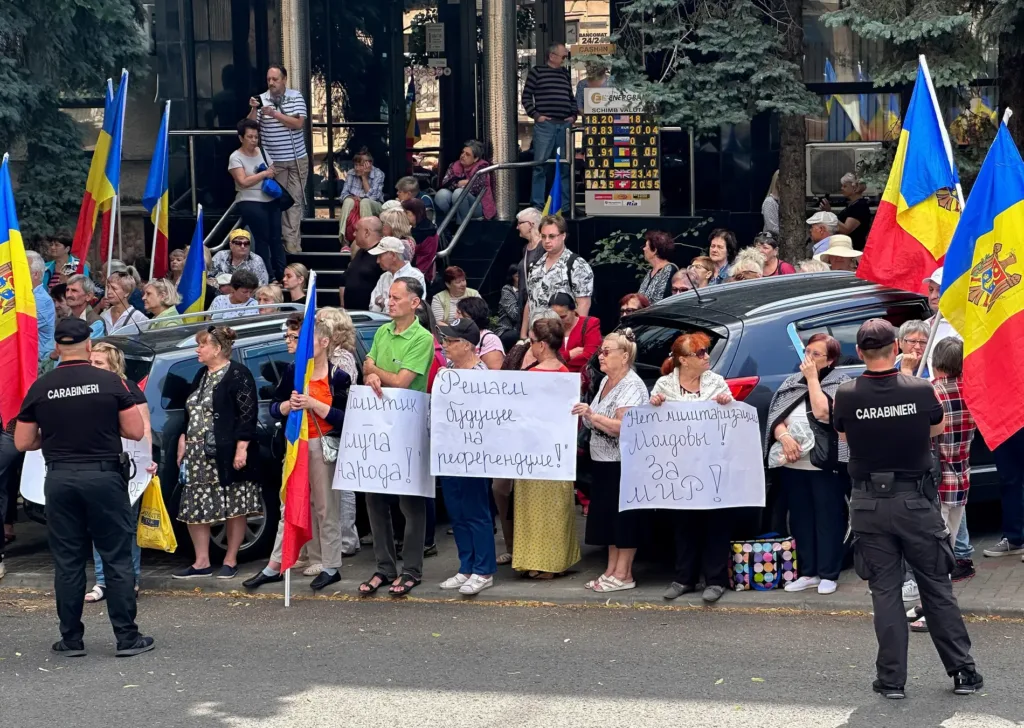
During the 2023–2025 electoral cycle, Russian interference reached a qualitatively different level in terms of its intensity, density, and complexity. From organizing street protests to facilitating controlled voting by members of the diaspora in countries under Russian influence; from creating pseudo-pro-European electoral blocs and a “swarm” of semi-virtual political parties to purchasing a “universal” electoral resource; from building a network of Telegram channels to recruiting hundreds of micro-influencers on social media—all of these elements characterized an “innovative” political-technology approach that combined the instruments described above and allowed them to be adapted both to one another and to local conditions.
The Ilan Shor Phenomenon
Participants in the study unanimously identified businessman and politician Ilan Shor, whose public activities have traditionally been accompanied by scandal, as the central figure in this phase of Russian interference. According to open-source information, in 2014 Shor became Chairman of the Administrative Board of Banca de Economii S.A. and, in that capacity, was involved in the largest financial fraud in Moldova’s post-Soviet history: the removal of US$1 billion from the country’s banking system. According to investigators, Shor personally laundered more than US$335 million of the stolen billion.
After being placed under arrest, the businessman ran for mayor of Orhei in May 2015, his family’s hometown. Shor himself was born in Tel Aviv in 1987, where his parents were living in emigration at the time. His electoral victory temporarily shielded him from criminal prosecution and opened the political chapter of his career.
Experts attribute Shor’s decisive victory in his first-ever election to the longstanding positive reputation his family enjoyed in Orhei, particularly his grandfather, a prominent pediatrician. As the new mayor, Shor took urban improvements seriously and also opened “OrheiLand,” a local version of Disneyland. The project was not commercially profitable and was financed through funds raised by Shor.
A network of social stores followed, selling food products to low-income residents, with prices for certain products 10–20 percent below the average. Between 2016 and 2021, the network expanded to 200 outlets. More than half were mobile shops that traveled between different localities. To use the network, customers had to obtain a special card, issued in exchange for providing personal data and consenting to its use. At one point, Shor claimed that the network had more than 400,000 users, equivalent to at least 20 percent of Moldova’s actual voting electorate even under conditions of high turnout.
Following the 2019 elections, the Shor Party established its own faction in the national parliament. In Orhei District, Shor’s candidates ran to head every locality, and approximately 75 percent won their elections. The leader himself, however, faced mounting accusations and fled house arrest for Israel.
According to The Washington Post, Russia’s Federal Security Service (FSB) began cooperating with the Shor Party in 2020. Some of the experts interviewed believe that Ilan Shor was welcomed and embraced in Moscow after he effectively managed to take control of Gagauzia—an autonomous territorial unit within Moldova—during the 2023 local elections by using populist rhetoric and political-technology methods that were subsequently scaled up across the Republic. One telling example was the election of Evghenia Guțul as Bashkan, or head, of Gagauzia. She had not previously been a political figure and began her campaign only two weeks before the election. During that brief period, however, she managed to secure public support from several Russian politicians and cultural figures, indirectly reinforcing The Washington Post account: by 2023, Shor was already working closely with Moscow.
In 2024, Ilan Shor obtained Russian citizenship and received US$250 million from the autonomous nonprofit organization Eurasia to implement projects in the Republic of Moldova. The chair of Eurasia’s board of trustees is Vyacheslav Volodin, Speaker of the State Duma of the Russian Federal Assembly. Shortly afterward, the aforementioned Evghenia Guțul and Orhei Mayor Tatiana Cociu appealed to Pyotr Fradkov, head of Russia’s Promsvyazbank, which is under international sanctions, asking him to open accounts for 150,000 Moldovan citizens—or 130,000 according to other experts—and transfer funds into them. This was where the personal data collected earlier proved useful.
Some of the money was brought into the Republic of Moldova in cash. Shor-linked structures invited people to Russia for conferences and familiarization trips—including teachers, priests, and young people—who then returned carrying the legally permitted amount of US$10,000 each.
Experts also drew attention to how Ilan Shor is perceived by his supporters and by people who participated in protest actions:
My colleagues and I conducted a survey among people whom he (Shor—author’s note) was recruiting to attend protests. And we were astonished when we found an 80-year-old woman among the protesters. We asked who she was. She said she was a professor of economics: she had worked all her life, her pension was small, and it was very difficult to survive. She said, well, if they give you 20 dollars (for participating in the protest—author’s note), why not? And then she said something that stunned us. She said: all politicians are thieves these days, but Shor is a kind thief, he shares with us. And that phrase, “Shor is a kind thief, he shares with us,” was then repeated almost every time journalists managed to get people to speak candidly.
One expert considers Shor a convenient sparring partner for Moldova’s incumbent government.
One of our polling companies even developed its own index. In 2024 it was called the “Dependence of Maia Sandu’s Rating Growth on Ilan Shor’s Initiatives.” Every time this asshole showed some activity… Maia Sandu’s rating began to rise. Why? Because everyone looked at it and thought: damn, better her than this horror, this nightmare.
According to participants in the study, the first employees and managers of Shor’s electoral networks came from his business ventures, ranging from construction to the aforementioned social stores. This was followed by the targeted recruitment of people with left-wing and pro-Russian views, with former Communist and Socialist Party activists frequently becoming local leaders. At the final stage of constructing a nationwide network for campaigning and vote buying, however, the principal motivation for new participants became purely commercial: implementing Shor’s political technologies paid well. Respondents cited monthly earnings of €3,000–4,000 for mid-level managers, a very high salary by Moldovan standards.
Who Else Is Moscow Betting On?
Participants in the study agree that Russia interacts directly with many Moldovan politicians, including some who formally declare themselves to be pro-European.
Moscow’s support for the Party of Socialists and its leader Igor Dodon is evident. Some experts, however, believe that certain politicians who previously belonged to the party or were supported by it in elections have since left the Kremlin’s orbit. They point primarily to Alexandr Stoianoglo, Moldova’s former Prosecutor General and Maia Sandu’s main opponent in the 2024 presidential election, and Chisinau Mayor Ion Ceban. Other experts are convinced that Stoianoglo, Ceban, and other former PSRM figures remain conduits for Russian interests in Moldova.
Take our current mayor, the mayor of the capital, who used to organize protests in Brussels outside the European Parliament and the Council of Europe and shout that Moldova should be exclusively with Russia and that we needed neither European integration nor the European Union. He now positions himself as a pro-European politician. He has even recently begun calling the war (Russia’s war against Ukraine—author’s note) a war, finally, in its fifth year. Previously he tried to avoid even that word. At that point it becomes a question of belief: how much do you believe that a person can change his views so radically?
Among other politicians who are formally outside the PSRM and Ilan Shor’s political projects, those most frequently described as linked to Russia include former Prime Minister and leader of the Party of Development and Consolidation of Moldova Ion Chicu; Victoria Furtună, leader of the Moldovenist Greater Moldova party—Moldovenism can be defined as a form of Moldovan nationalism that denies the unity of the Moldovan and Romanian nations; and Vasile Costiuc, chairman of the unionist Democracy at Home party, which, by contrast, advocates unification with Romania. In the 2025 elections, Costiuc’s party crossed the electoral threshold and established a faction in the national parliament.
Some participants in the study believe that Russian influence in Moldova extends extremely widely, but that the Russians are no longer investing in the country’s media, instead focusing on individuals who generate content and on building organizational “networks” (setki) for vote buying.
They bought up the experts, then moved on to the politicians, regardless of their views.
The Russians have left the local media; the “network” overlaps less and less with propaganda.
Two experts maintain that the entire Moldovan opposition, regardless of its declared political views, receives money from Russia because it has no other sources of financing. Others suggest identifying links to Moscow through political narratives and the limits imposed on political rhetoric.
Those who cooperate with the Russians will invariably talk about the crisis of the European Union; insist on Moldova’s strictly neutral status; criticize Sandu and the government for preparing for war with Russia; criticize Ukraine at every opportunity; mention mythical “Zelensky mansions” and the illicit resale of Patriot systems.
Kremlin-funded opposition figures may say that Crimea is Ukrainian and may call Russia an aggressor, but they cannot allow themselves a single disrespectful word about Putin.
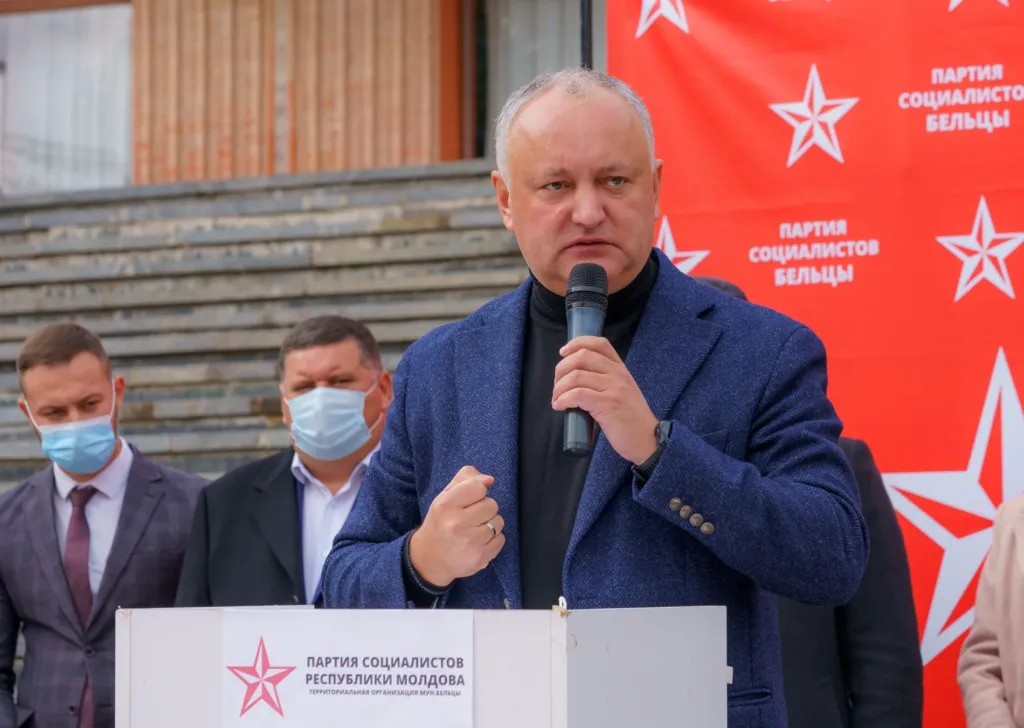
At the same time, experts believe that none of Moldova’s politicians, with the possible exception of obscure fringe figures, harbor any genuine affection for Russia or Vladimir Putin. Rather, they cooperate with Moscow exclusively for access to financial and media resources and the support of Moldova’s pro-Russian electorate.
The Target Audience of Interference and Its Effectiveness
Citing polling data, experts estimate that approximately 30 percent of the domestic electorate holds pro-Russian views. Moldovan citizens living abroad—the diaspora, which is predominantly pro-European—also play a significant role in nationwide voting. The domestic share holding pro-Russian views has barely declined since Russia began its full-scale invasion of Ukraine.
Participants in the study identify poverty, low levels of education—which correlate with nostalgia for the Soviet Union—and reliance on Russian media, including television, and social networks as sources of information as the main factors contributing to such views.
Experts’ assessments of the effectiveness of external interference techniques differed substantially. First, almost all respondents tended to assess only the impact of vote buying on the final results of elections and the referendum. Participants in the study have virtually no instruments for even approximate quantitative assessments of how social-media information operations, the creation of proxy political structures, or managed protest mobilization affected voting outcomes.
Among social media platforms, experts in mass communications consider TikTok the most effective for influencing the electoral behavior of Moldovan citizens. They place the Russian social network Odnoklassniki second, although by a wide margin, while attributing limited and niche influence to Facebook and minimal influence to Instagram.
Facebook is a bubble of political scientists, party people, PR professionals, and the media. Electoral politics “on the ground” is done through TikTok and the “networks.” Even candidates’ meetings with voters do not work the same way. Some people watch YouTube channels. But not that many.
When discussing the “networks,” some experts believe their influence has been overstated. The lion’s share of the money is distributed among people who, based on their own views, would have voted for pro-Russian candidates and against Moldova’s European integration anyway. Some also argued that part of the money was simply stolen from within Shor’s own structure and that some voters who received payments cast their ballots differently from what their “benefactors” had requested.
There were people who voted differently from what they were paid to vote for. But I do not think that is the most important aspect; there was internal corruption as well. They had this former police officer responsible for internal security who said that as much as 60 percent of the money was stolen by people within their own system. I think that also affected why, for example, things were not as effective in 2025. People who had made some money in 2024 expected that they would make money again in 2025. But in 2025, 2028 (the year in which the next presidential election is due to take place—author’s note) was a long way away, so they were no longer particularly interested in being very loyal to the system.
Others point to the striking difference between forecasts and the actual results recorded for presidential candidate Alexandr Stoianoglo. In the referendum on support for the country’s course toward EU accession, held simultaneously with the first round of the presidential election, the vote against European integration similarly diverged sharply from forecasts.
Sandu received roughly what was expected in the first round. Stoianoglo received twice as much as the sociologists had projected. Why did the sociologists fail to capture this? And they were just as far off regarding the level of opposition to joining the European Union. It was the paid “network.” People came out for the money.
All the polls showed that inside the country roughly two-thirds supported European integration and one-third opposed it. Of course, you cannot completely discount the growing criticism of the referendum, particularly in the final weeks, but without the “network,” from a purely electoral standpoint it would have been practically impossible to reverse that. Yet the referendum was lost inside the country (the votes of the diaspora gave the pro-European integration side its overall advantage—author’s note).
Most experts nevertheless emphasize that discrepancies between pre-election polling and actual voting results do not in themselves make it possible to determine how many votes were obtained as a result of external interference techniques. They tend instead to assess the effects of Russian propaganda and other influence methods cumulatively, over the course of the past two decades.
We live in the field of the Russian Federation’s political and information propaganda, which has used everything that could possibly be used in this regard. We see, for example, Gagauzia, which gives 90 percent of its vote to anti-European forces. Was it always like this in Gagauzia? No, no. Let us put it this way: there has always been a difference between the Romanian-speaking and Russian-speaking populations in terms of pro-European attitudes, but some 20 years ago, before the Russian Federation “rose from its knees,” before the deployment of full-scale information warfare, the difference was much smaller. There were times when more than 50 percent of those same Gagauz supported European integration.
The Ethnic Dimension of Russian Interference
Although diversity of ethnic background was not a criterion in selecting experts for the study, during the interviews participants described Moldovan, Romanian, Ukrainian, Russian, Bulgarian, Gagauz, Jewish, Georgian, Abkhaz, Armenian, and Tatar roots.
At the same time, the titular ethnic group constitutes a substantial majority of the population. According to the 2024 census, approximately 85 percent of citizens of the Republic of Moldova identified themselves as Moldovan (76.7 percent) or Romanian (8.0 percent). The next largest ethnic groups were Ukrainians (5.1 percent) and Gagauz (4.0 percent). One specific legacy of the Soviet Union was the categorization of all citizens outside the Romanian-speaking Moldovan-Romanian majority as part of Moldova’s Russian-speaking community. As a result, efforts to ensure cultural autonomy for ethnic minorities in areas where they live compactly—primarily the Gagauz, Bulgarians, and Ukrainians—led instead to their progressive Russification.
In schools in the Republic of Moldova, members of every ethnic group should have the opportunity to study the history, traditions, and culture of their own people: Gagauz, Bulgarian, Russian, Ukrainian… We ask teachers in Gagauzia: what do you use, what textbook? They show us “History, Traditions, and Culture of the Russian People,” edited by Dr. Valera Klimenko, whom I call, forgive me, a chauvinist brute. “Why do you use this?” “We have nothing else.”
The problem is that instead of their national languages, all ethnic minorities studied in Russian. Ukrainian refugees complained that their children were being made to take Russian language and Russian literature at school.
Until now we had a subject called “History, Culture, and Traditions of the Russian People.” In other words, every child studying in a Russian-language school had to study this subject. On what grounds should you have to study the history, culture, and traditions of the Russian people if you are Jewish, Gagauz, Ukrainian, or Bulgarian? These curricula have now been changed, and separate subjects have appeared.
As for Gagauz, that is a very serious problem. There are no teaching materials. Fine, we can prepare them; there are specialists, that can all be done. The problem is the unwillingness of local residents. In other words, people there have become so Russified that they now perceive learning the Gagauz language not as a way of preserving their native language and culture—even though their language exists only on this small patch of land—but as a burden.
Experts maintain that the markedly higher levels of support for pro-Russian and anti-European forces among ethnic minorities are explained not by ethnicity but by language. The habit of consuming information in Russian makes people more vulnerable to Russian propaganda. As a result, even among ethnic Ukrainians living in concentrated communities in the north of the country, widespread support for the actions of the Russian Federation and Vladimir Putin has been recorded.
The reluctance of the ruling Action and Solidarity Party, Partidul Acțiune și Solidaritate (PAS), to campaign actively in areas traditionally difficult for it, if it does not worsen the situation, at least helps preserve it.
In the presidential and parliamentary elections, PAS decided not to campaign in the north or the south at all. At all. They did not even go there. Not to Gagauzia, not to Soroca. They did not even go to Bălți. Instead, they moved west to east and east to west through the central districts that traditionally support European integration. The idea was: why should we go there? They do not like us there, we will get nothing there. There is no point in going. In the north, incidentally, people were deeply offended: why does Maia Sandu not come to us, why does she not talk to us?… There were public statements like that.
A number of experts even speak of “excluded groups” within the population—not solely on ethnic grounds—that were left outside the reach of pro-European campaigning because political strategists were unwilling to spend time, effort, and resources without a guaranteed return. Some participants in the study noted a degree of reflection and a change in the authorities’ approach to communicating with these “excluded groups” after the electoral cycle had concluded.
Unprecedented Countermeasures
Virtually all of the experts interviewed describe the measures taken by the country’s leadership in response as unprecedented. Many characterize their legal basis as being “on the edge of legality.” Some even question whether that much-discussed line may have been crossed.
As early as 2023, Moldova’s Constitutional Court declared the Shor Party unconstitutional, citing evidence of systematic voter bribery and illegal foreign financing. When political structures associated with Ilan Shor attempted to re-enter the electoral process under new names, the authorities shifted to preventive measures. The most illustrative example was the removal of the Chance Party from local elections two days before voting, which automatically resulted in approximately 600 of its candidates being removed from the ballot. This practice continued in the run-up to the 2025 parliamentary elections. As a result, Shor’s strategy, which was based on creating a network of voters willing to support whichever party campaign organizers instructed them to back at the last moment, was disrupted: all of the principal political projects associated with him were successively barred from participating in elections.
On the one hand, in the case of most of the parties affected, despite clear indications of their largely virtual nature, courts ordered the suspension of their activities for one year rather than removing them entirely from political life. On the other hand, experts pointed out that even in supplementary local elections in individual localities in 2026, courts barred candidates who had previously run for the Shor Party despite the absence of evidence that they had personally participated in unlawful activities. This practice did not become universal, however, which may indicate differing interpretations within the judiciary of decisions by the Constitutional Court and the Supreme Court of Justice.
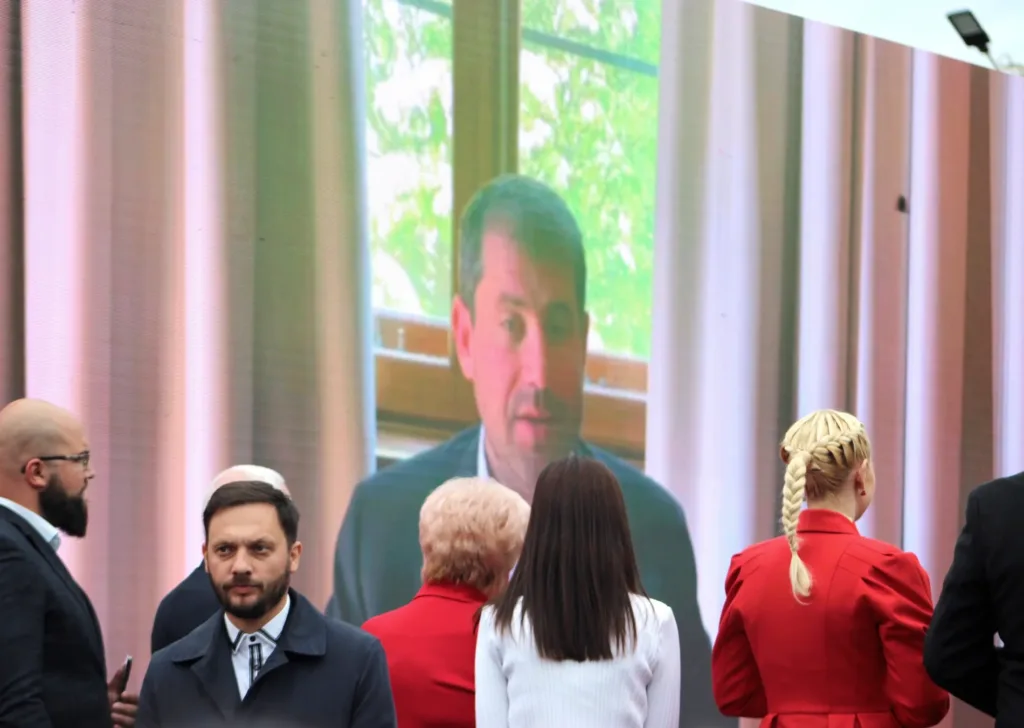
Another highly controversial step was the decision to suspend the licenses of several Moldovan television channels.
Today, when the entire world is learning from the Ukrainians how to wage drone warfare, people can learn from us (Moldovans—author’s note) how to fight Russia’s information war. We banned television channels. At first glance, that seems very frightening from the standpoint of the right to receive information. But in practice, shutting down channels was not the kind of extraordinary measure it would have been in the 1990s or 2000s. People were already moving to other sources anyway.
Those “other sources” did not escape the authorities’ attention either. Access from Moldovan territory was restricted to more than 100 online resources, including websites directly linked to Russian information sources. At the same time, owners of independent Telegram channels that published paid content on a commercial basis—a formally illegal practice that had previously gone effectively unenforced—began receiving informal warnings from officials and law-enforcement representatives.
One of the toughest new measures was a significant increase in penalties for those seeking to buy or sell votes in elections. Whereas law-enforcement agencies had previously rarely prosecuted ordinary citizens who agreed to sell their votes, legislative changes exposed them to substantial administrative fines of up to 37,500 lei, almost €2,000. At the same time, the authorities publicly stated that a person who voluntarily reports a bribery attempt and assists the investigation may be exempted from liability. The state therefore sought not only to increase the cost of participating in vote-buying schemes, but also to undermine such networks from within by encouraging participants to cooperate with law enforcement.
Vote “buyers” face criminal liability. Dozens of criminal cases have already been opened under the relevant provision, and around 15 convictions have been handed down. Many of those convicted, however, managed to avoid imprisonment.
Most <of the 15 people convicted> fled to the Russian Federation before sentencing. The problem is that our standards for pretrial detention are fairly lenient, and many people take advantage of this. They are ordered not to leave, then they run through Transnistria, then through Ukraine somewhere. They have Moldovan passports, so afterward they can move freely through Ukraine and Europe into Russia.
According to the experts, around 40,000 Moldovan citizens have been fined for selling their votes. Many challenged the fines in court. The proceedings are ongoing.
According to the statistics, about 4 percent win. And they win not because they prove they did not take the money, but largely on technical grounds related to the quality of the documentation. This was prepared by police officers from villages and elsewhere, not exactly the best police officers the Republic of Moldova has. At the beginning of the proceedings, there were also lawyers provided by the Shor system, but they withdrew from this very quickly and focused instead on defending the leaders, who then faced criminal charges.
One participant in the study who was skeptical of the authorities’ actions maintained that many citizens fined under the new system had been entered into databases of bribed voters without their knowledge by “brigade leaders” who appropriated the funds allocated in those individuals’ names. Accounts were often opened for them in Russian banks, primarily the aforementioned Promsvyazbank, and Russian MIR payment cards were issued. Personal information, however, was frequently entered incorrectly. Incorrect personal data in the databases also provides grounds for courts to overturn fines.
Police also turned their attention to the couriers mentioned earlier, who traveled to Russia for conferences or informational and political orientation trips and returned carrying cash within the legally permitted limit of no more than US$10,000 or its equivalent in euros.
In 2025, information was received that before May 9 (the date on which Russia marks the anniversary of victory over Nazi Germany and seeks to organize pro-Russian rallies in other countries—author’s note) a group of people would travel to Moscow to collect money and return immediately. More than one million dollars was seized from them collectively. They could not explain where the money came from: they had gone to Moscow for two days without any money and could not come up with a convincing explanation of where they had obtained it. Some of them admitted that the money was intended to finance the activities of this party, which had already been declared illegal. There is a criminal case, so the incident has not yet received a final legal determination. The future of the money is also unclear pending a court ruling; for now it has the status of seized property.
Experts largely attribute the sharp decline in recorded cases of vote buying during the 2025 parliamentary elections compared with the 2024 presidential election to the consistent use of criminal and administrative penalties against those involved.
The police did not manage to respond very actively between the first and second round. But by 2025, some people had already been frightened by what happened in 2024 and did not participate during the parliamentary elections. There were fines, there was risk, it was no longer economically worthwhile, and there was greater stigma in society; people were talking about it more.
But even in 2025, for example, in Gagauzia there were these kinds of sociological deviations, such as villages where turnout was 80 percent. That simply does not happen here. It looks very much like the technologies of electoral sultanates that exist in Chechnya or I do not know where. It very much looked as though vote buying was still taking place, and as a rule they were also mobilizing socially inactive people. These leadership groups were created, and the leaders would tell them: here, I am giving you 20 euros to vote for so-and-so…
Has the Infrastructure of Interference Been Suppressed?
Experts were fundamentally divided over whether the infrastructure of Russian influence over electoral processes in the Republic of Moldova, operated by Ilan Shor, has been dismantled.
Well, all the known cells that were structured and visible appear to have ceased to exist. We have just had (supplementary—author’s note) local elections, and they did not reappear. It is entirely possible that Moscow’s influence will move in some other direction, shift to some other figure, or adopt different technologies. There is “pro-European” Ceban at the head of Chisinau, there is “pro-European” Costiuc in parliament. They can work with them now.
Officially, Shor said that all his social projects were ending after those results, which were not particularly pleasant for him. But what we see is that he appears simply to have stopped financing this large network because everyone was on salary, and keeping that many people on salary when the next election is still a long way off is too expensive. Plus, he is now laundering money in Kyrgyzstan for the Russian authorities. But he continues to finance online television that broadcasts to Moldova 24 hours a day from Moscow. We see his activists continuing to work in Gagauzia because, after the Bashkan was convicted, another one has to be elected. And the People’s Assembly, the local parliament, also needs to be elected.
The “network” is simply asleep right now. Pressure from the authorities gave it a good inoculation. But it will easily recover by the next election. It will just become a little more expensive. For a 20 percent premium, the key people will come back and rebuild the whole thing. The “network” is stronger than propaganda because propaganda comes from all sides.
Most participants in the study agree that, so long as the objective underlying conditions remain unresolved—namely poverty affecting a substantial share of the population and the ideological divide within society—the likelihood that the old infrastructure of external electoral interference will re-emerge, or that a new one will be created, remains fairly high despite the authorities’ efforts and the vigilance of law enforcement.
Main Findings and Recommendations
Systematic Russian interference in the political and electoral processes of the Republic of Moldova has continued for approximately two decades, but the 2023–2025 electoral cycle marked a qualitatively new phase. Individual instruments—political consulting, propaganda, and support for loyal candidates and parties—were supplemented by large-scale illicit financing, vote buying, the creation of organizational “networks,” the use of social media, and numerous formally independent political and informational proxies. The result was no longer a set of parallel operations but a comprehensive system of interference whose elements complemented one another and adapted to changing political circumstances.
Ilan Shor became the central figure in this phase. His own political experience—from his electoral victory in Orhei and the creation of a system of social patronage to the success of candidates he supported in Gagauzia—demonstrated the potential of combining populist politics, direct material incentives for voters, and extensive organizational infrastructure. Cooperation with Moscow made it possible to scale this model to nearly the national level. At the same time, Shor was only the most visible element of a much broader system of Russian influence encompassing politicians and political projects with formally different ideological orientations.
The study also demonstrates the limits of what such a system can achieve. There is no consensus among the experts regarding the extent to which direct vote buying affected the results of the presidential and parliamentary elections or the referendum on European integration. Some recipients of Russian financing would likely have voted for pro-Russian candidates even without material incentives; some funds were lost within the system itself; and receiving money did not guarantee that every recipient would vote as instructed. A much more consequential result of Russian influence appears to be the preservation, over decades, of a stable social and information environment in which approximately one-third of the domestic electorate remains receptive to pro-Russian and anti-European narratives.
Certain ethnic and regional groups are particularly vulnerable in this environment. As the interviews indicate, however, the issue is less ethnicity itself than the language in which information is consumed, socioeconomic conditions, and the longstanding weakness of communication between the state, pro-European political forces, and parts of the population. The persistence of a Russian-language information environment that was, for much of the post-Soviet period, effectively monopolized by Russian sources has coincided with the insufficient presence of pro-European parties in regions where their positions have traditionally been weak. External interference therefore exploits not so much divisions created from abroad as pre-existing internal fault lines within Moldovan society.
The response of the Moldovan state proved sufficiently effective to substantially increase the cost of interference. The systematic prosecution of organizers and participants in bribery schemes, substantial fines for vote sellers, disruption of financing channels, and exclusion of Shor-linked political projects from elections significantly complicated the reproduction of the infrastructure he had created. Most participants in the study attribute the decline in recorded cases of vote buying in the 2025 parliamentary elections compared with the previous year’s presidential campaign precisely to these measures. It would nevertheless be premature to conclude that the infrastructure of interference has been definitively dismantled. Some experts believe that the “networks” have instead entered a dormant phase and could be restored if financing and a new political operator emerge. As long as the social, economic, and political conditions that enable their existence remain in place, the possibility of their re-emergence in a new form will also remain.
At the same time, the principal outcome of Russian interference in Moldova is paradoxical. Moscow did not achieve its main strategic objective: Moldova did not abandon its European orientation, and attempts to influence the results of the most recent electoral campaigns did not bring to power political forces capable of reversing the country’s foreign-policy course. Yet this does not mean that the interference produced no results. Having failed to alter Moldova’s geopolitical choice directly, Russia contributed to the emergence of a situation in which preserving that choice required the state to employ increasingly restrictive measures.
This is where the most significant risk arises. Banning or excluding political parties and candidates, restricting the activities of television channels and online resources, informal pressure on participants in the information market, and expansive use of preventive restrictions may be understandable given the scale of external interference and may, in individual cases, genuinely contribute to stopping it. But the effectiveness of such measures does not in itself resolve questions about their proportionality, evidentiary basis, observance of due process, and availability of judicial oversight. Still less does it guarantee that extraordinary mechanisms created in response to a genuine external threat will not eventually become ordinary instruments of domestic political competition.
In this sense, Russian interference creates a particular kind of trap for a democratic state. An insufficiently decisive response leaves space for continued external influence over elections; an excessively harsh and broad response can gradually alter the very democratic environment the state is attempting to protect. The success of counter-interference efforts therefore cannot be measured solely by the defeat of externally supported political projects or the reduction of electoral corruption. Equally important outcomes must include the preservation of clear and stable rules of political competition, freedom of information, independent judicial oversight, and the possibility of lawful opposition activity.
A broader conclusion follows from this. Democracy’s vulnerability to external interference is determined not only by the ability of a foreign state to bring its preferred political forces to power. An external actor may achieve some of its objectives in another way—by forcing a democratic system to defend itself using methods that gradually lower its own standards. In such a case, the formal defeat of the interfering actor does not necessarily amount to the complete defeat of its strategy.
This is precisely why Moldova’s experience is relevant to other European states. Its principal lesson is not which particular parties should be banned, websites blocked, or sanctions imposed—the specific combination of measures will depend on the scale of the threat and national legislation. Far more important is the need simultaneously to create effective mechanisms for the early detection and disruption of external interference and to establish sufficiently stringent limits on the state’s use of those mechanisms. Transparency of decision-making, a high standard of evidence, the possibility of timely and substantive judicial appeal, and a clear distinction between foreign interference and lawful political opposition are not obstacles to defending democracy in this context; they are necessary components of that defense.
The following practical recommendations can be offered to the authorities and civil society of the Republic of Moldova:
Countering illicit interference: Most of the necessary measures to address the forms of illicit interference described above have already been put in place. Certain actions involving illegal financing and bribery have been criminalized; law-enforcement practice has been clarified; and sufficiently effective mechanisms of governmental and public oversight have been established.
Strengthening democratic and legal safeguards for elections: The following measures can be recommended:
- Expand and further specify the regulatory framework governing legal relations during election campaigns, as well as the exercise of the rights to create, disseminate, and receive information. Establish clear limits on state intervention and clear, predictable consequences for citizens who violate particular rules.
- Establish an exhaustive list of grounds and stringent evidentiary standards for excluding parties and candidates from the electoral process, as well as for blocking media or online content.
- Ensure thorough and substantive judicial review of appeals against prohibitive and restrictive actions by state authorities.
- Increase the transparency of election campaign financing, including by removing unjustified restrictions on the amount and sources of financing that encourage some transactions to move “into the shadows.”
- Clearly define in legislation the role, rights, and powers of the state in regulating, including blocking, harmful information disseminated by foreign sources.
Addressing long-term vulnerabilities affecting particular social groups and the political system as a whole: The following should be treated as priority objectives:
- Transform education and cultural policy toward ethnic minorities. Increase the role of their own national languages more rapidly and that of Romanian more gradually in the lives of ethnic minority communities; achieve genuine linguistic pluralism as an element in the development of both ethnic and civic identity and as a means of accessing reliable information, so that Moldova’s present-day Russian-speaking community is not dependent on information sources controlled by the Russian state.
- Maintain continuous dialogue with ethnic minorities and opposition social groups on the part of the president, government, parliament, and pro-European political parties. Advance their own agenda through difficult debate.
- Conduct sustained civic and political engagement between elections aimed at overcoming societal polarization. Gradually transition from a political model of “a single-party parliamentary majority versus an irreconcilable opposition” to a model of “governing party—coalition partners—constructive opposition,” while marginalizing the non-constructive opposition. Plan the next parliamentary election campaign with this target model in mind.
- Undertake active efforts on the most popular social media platforms to advance a positive agenda.
- Address the economic and social problems that create fertile ground for patronage and voter bribery.
Moldova’s experience should be regarded not as a unique case, but as one of the first examples of large-scale and complex external interference in electoral processes of the kind other European states may encounter in the coming years. Many elements of this model—including the use of digital platforms, cross-border financial schemes, and networks of formally independent actors—are already appearing in countries in Central Europe and the Balkans, above all Romania and Bulgaria. As such technologies are adapted to the political realities of EU member states, European democracies will have to develop new ways to protect electoral processes.
Under these conditions, the concept of “defensive democracy” ceases to be a matter of academic debate and becomes a practical challenge for European states. Their ability to maintain a balance between the effectiveness of defensive measures and the preservation of democratic standards will, to a significant extent, determine whether European democracies can withstand new forms of external influence without sacrificing their own fundamental principles.